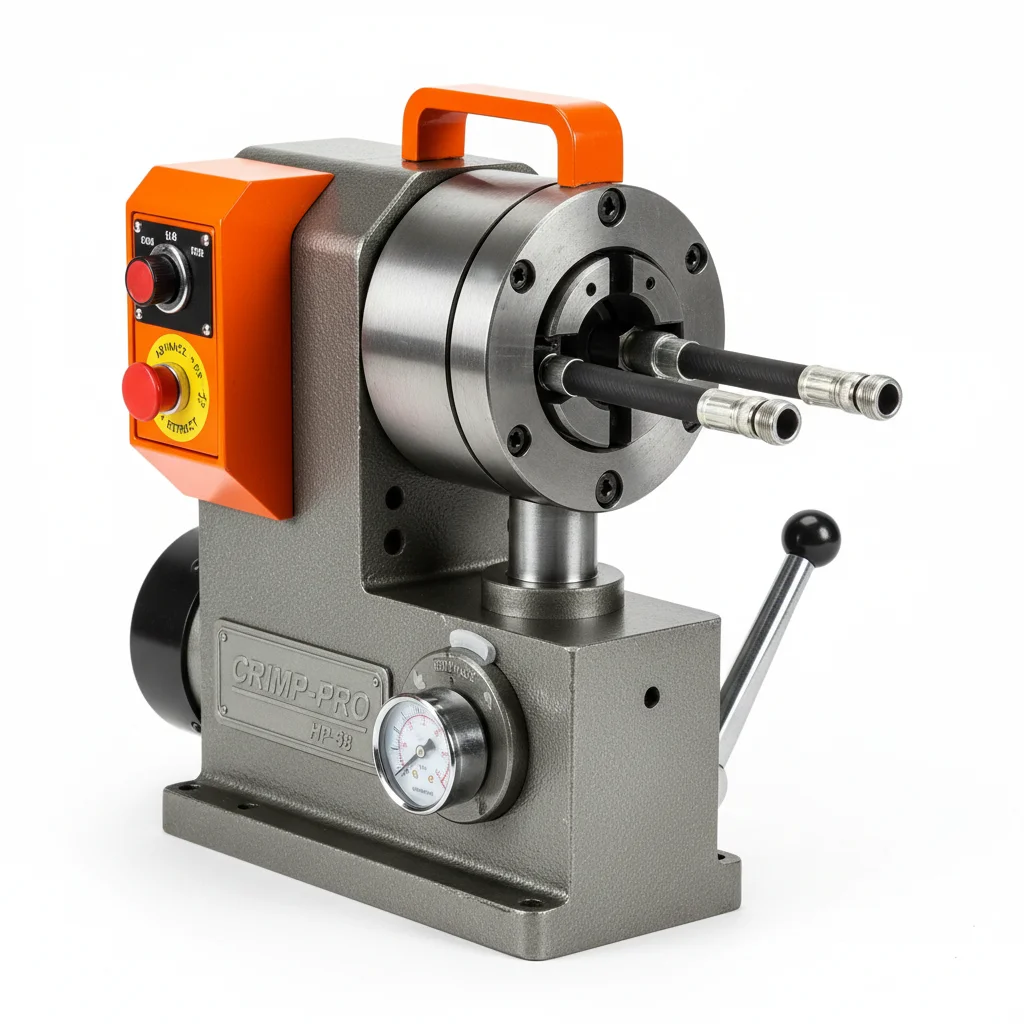
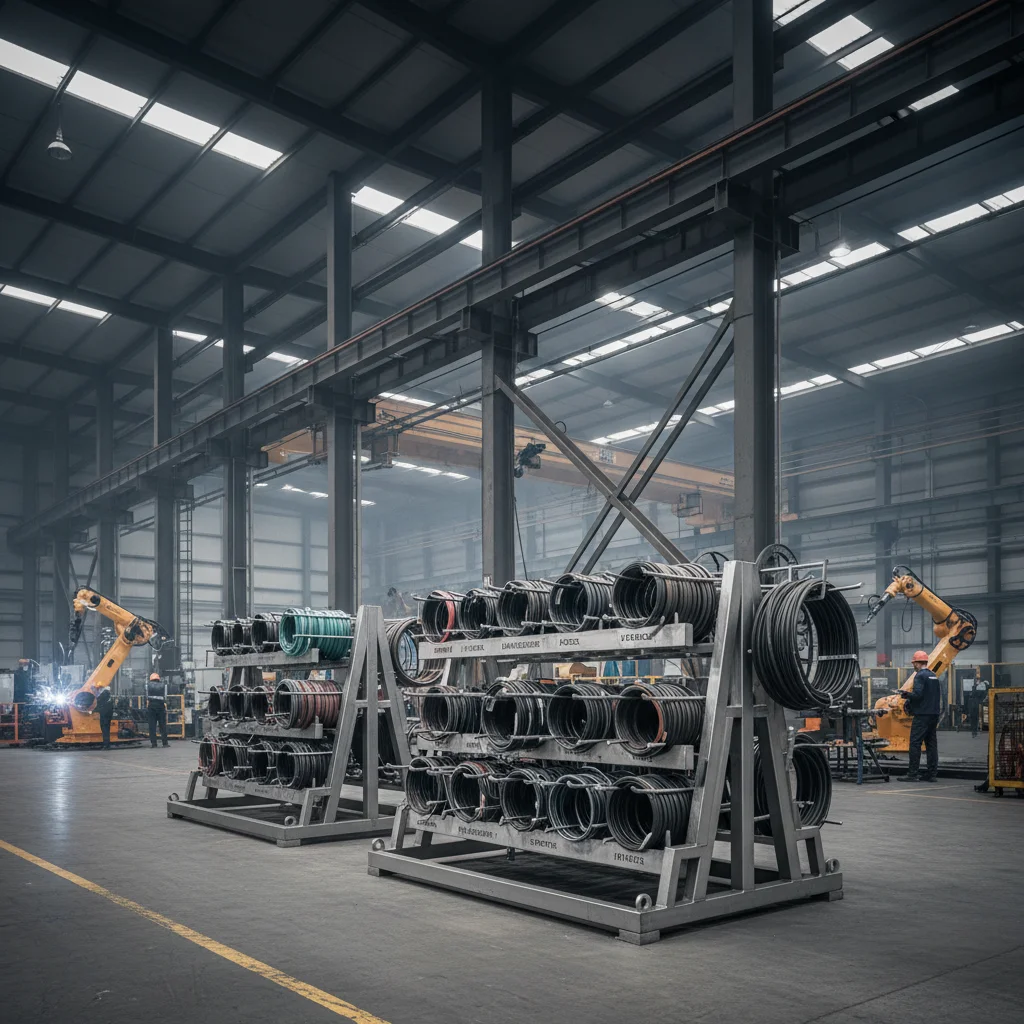
The Ultimate Guide to High Quality HOSE ASSEMBLY MACHINES
The Ultimate Guide to High Quality HOSE ASSEMBLY MACHINES
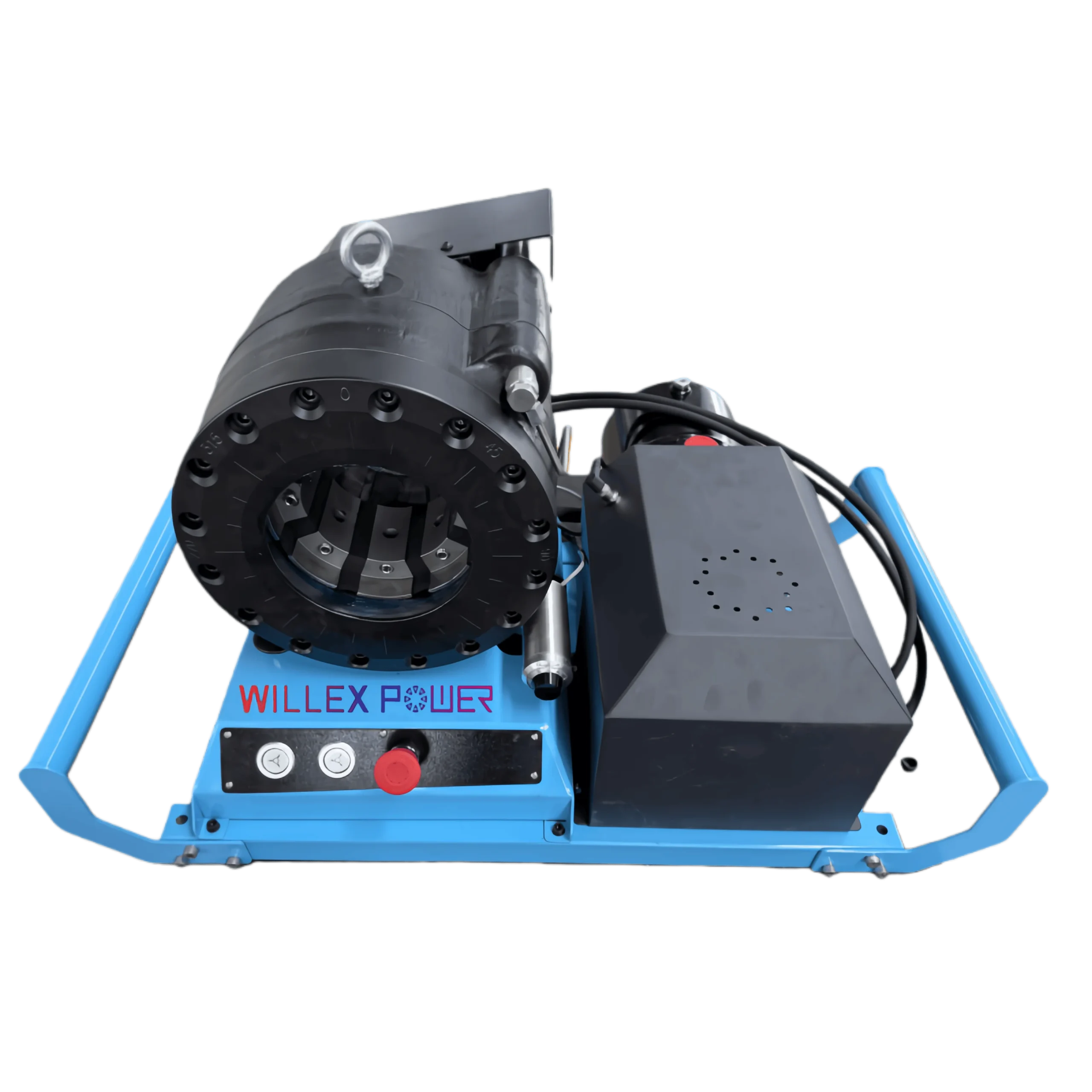
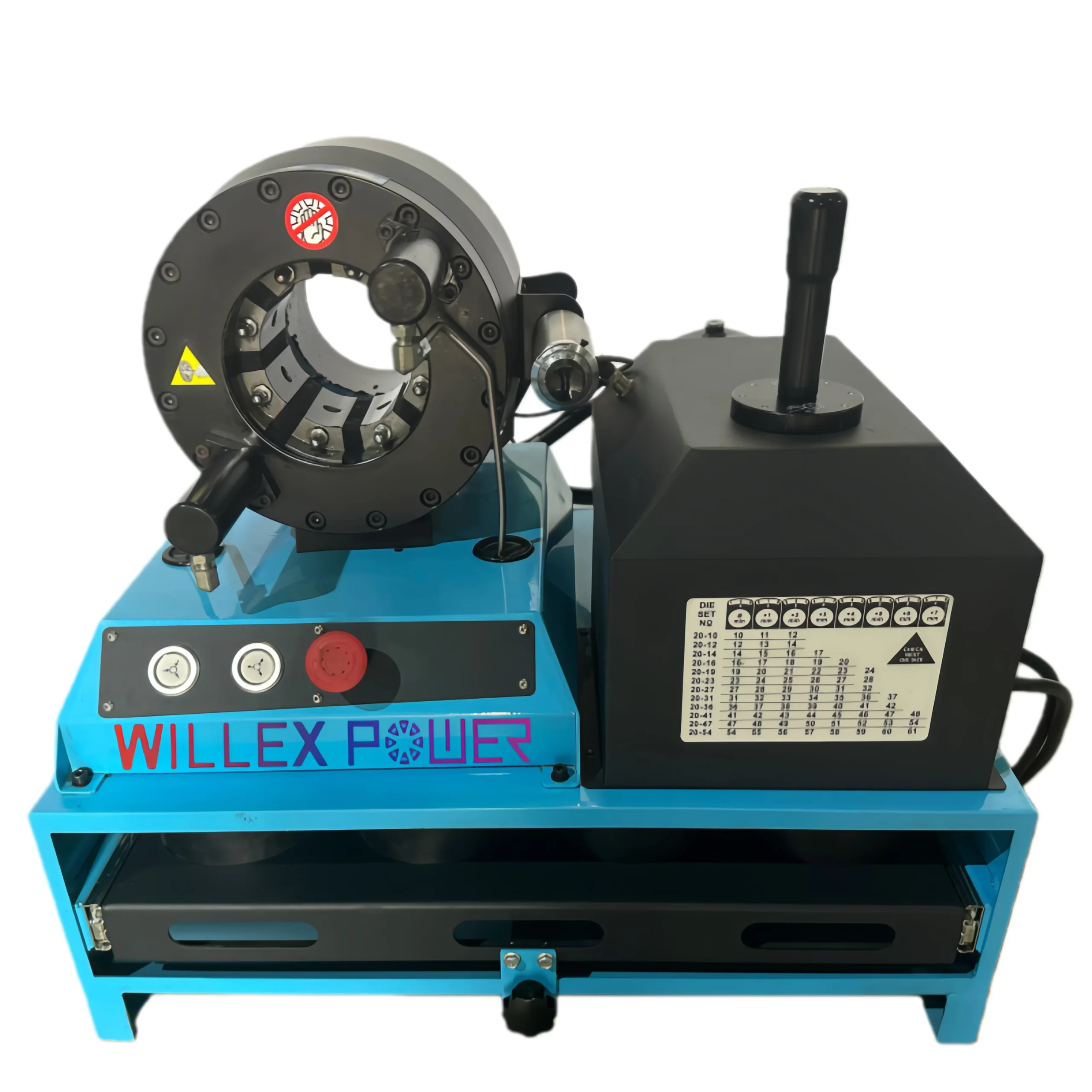
In the demanding world of industrial hydraulics and fluid transmission, the precision of a connection can be the difference between seamless operation and catastrophic failure. Investing in High Quality HOSE ASSEMBLY MACHINES is no longer just an option for professional workshops; it is a necessity for ensuring safety, durability, and efficiency. These machines provide the critical force required to crimp fittings onto hoses with absolute accuracy, preventing leaks and ensuring the assembly can withstand extreme pressure. Whether you are servicing heavy machinery or building custom hydraulic systems, the right equipment transforms your production capacity and quality standards.
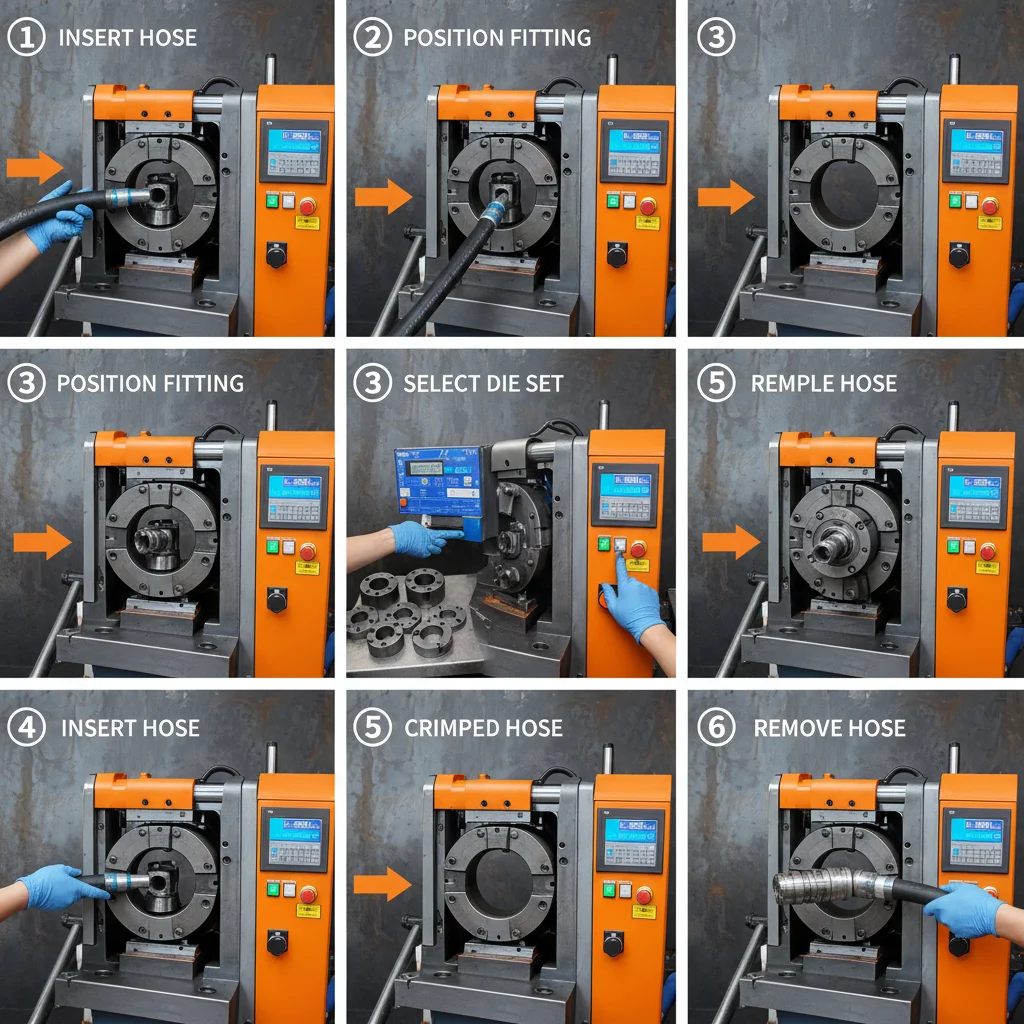
Why Precision Matters in Hose Assemblies
The core function of High Quality HOSE ASSEMBLY MACHINES is to create a permanent, leak-proof bond between the hose and the fitting. When a crimper applies inconsistent pressure, it can either under-crimp, leading to the hose blowing off under pressure, or over-crimp, which damages the hose reinforcement and weakens the structure. Professional-grade machinery ensures that the crimping diameter is exact to the millimeter. By utilizing advanced hydraulic systems and precision dies, these machines guarantee that every assembly meets international safety standards, reducing downtime and maintenance costs for the end-user.
Pro Tip: Always calibrate your machine regularly. Even the most robust High Quality HOSE ASSEMBLY MACHINES require periodic checks to ensure the hydraulic pressure matches the digital settings for maximum safety.
Key Components of Professional Crimping Systems
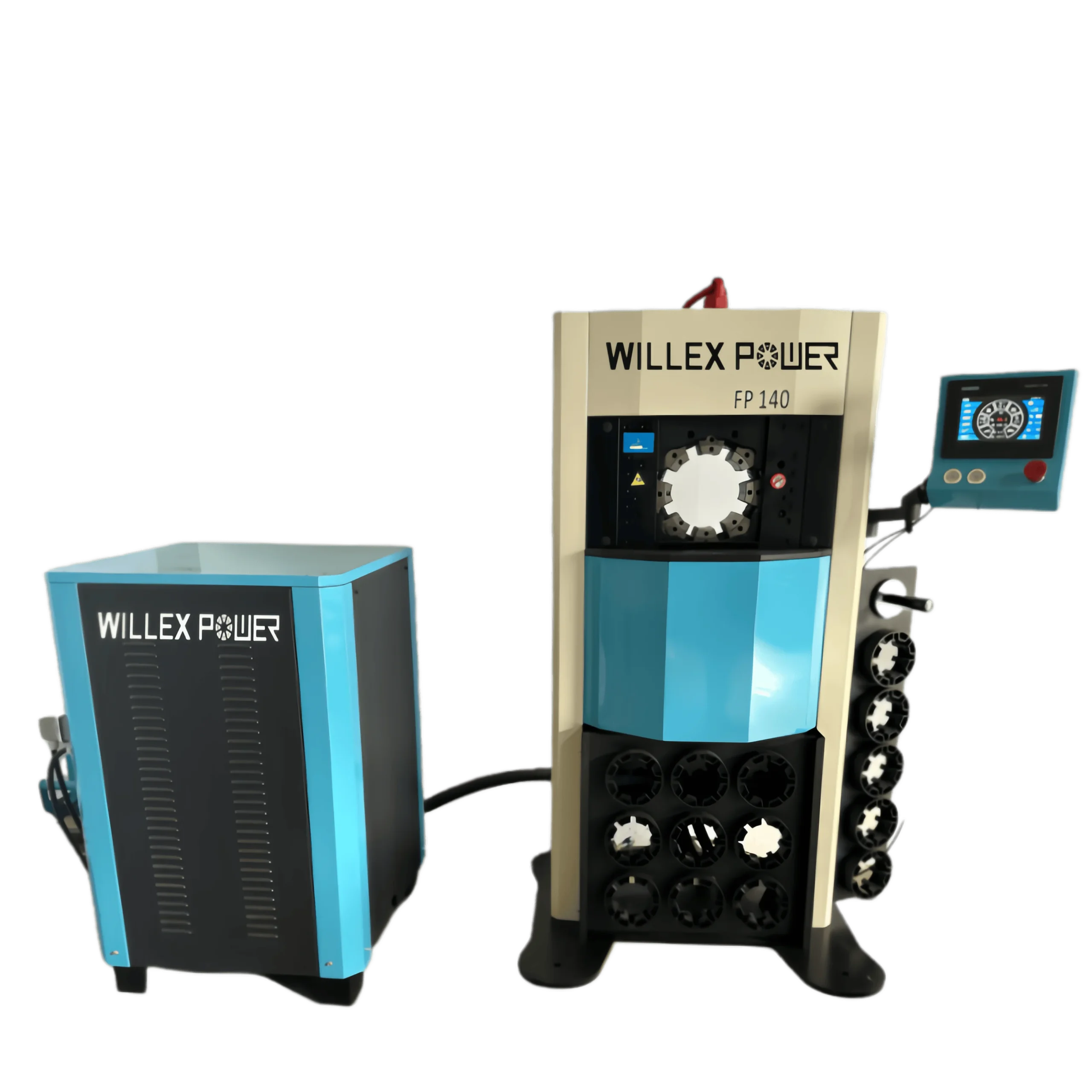
A truly professional setup consists of more than just a press. To achieve industrial-grade results, several integrated components must work in harmony. The hydraulic pump provides the raw power, the control system (often digital) manages the crimping depth, and the die sets shape the fitting. Modern High Quality HOSE ASSEMBLY MACHINES now feature programmable memory, allowing operators to save specific settings for different hose types, which eliminates human error and speeds up the production process significantly.
Comparing Manual vs. High Quality HOSE ASSEMBLY MACHINES
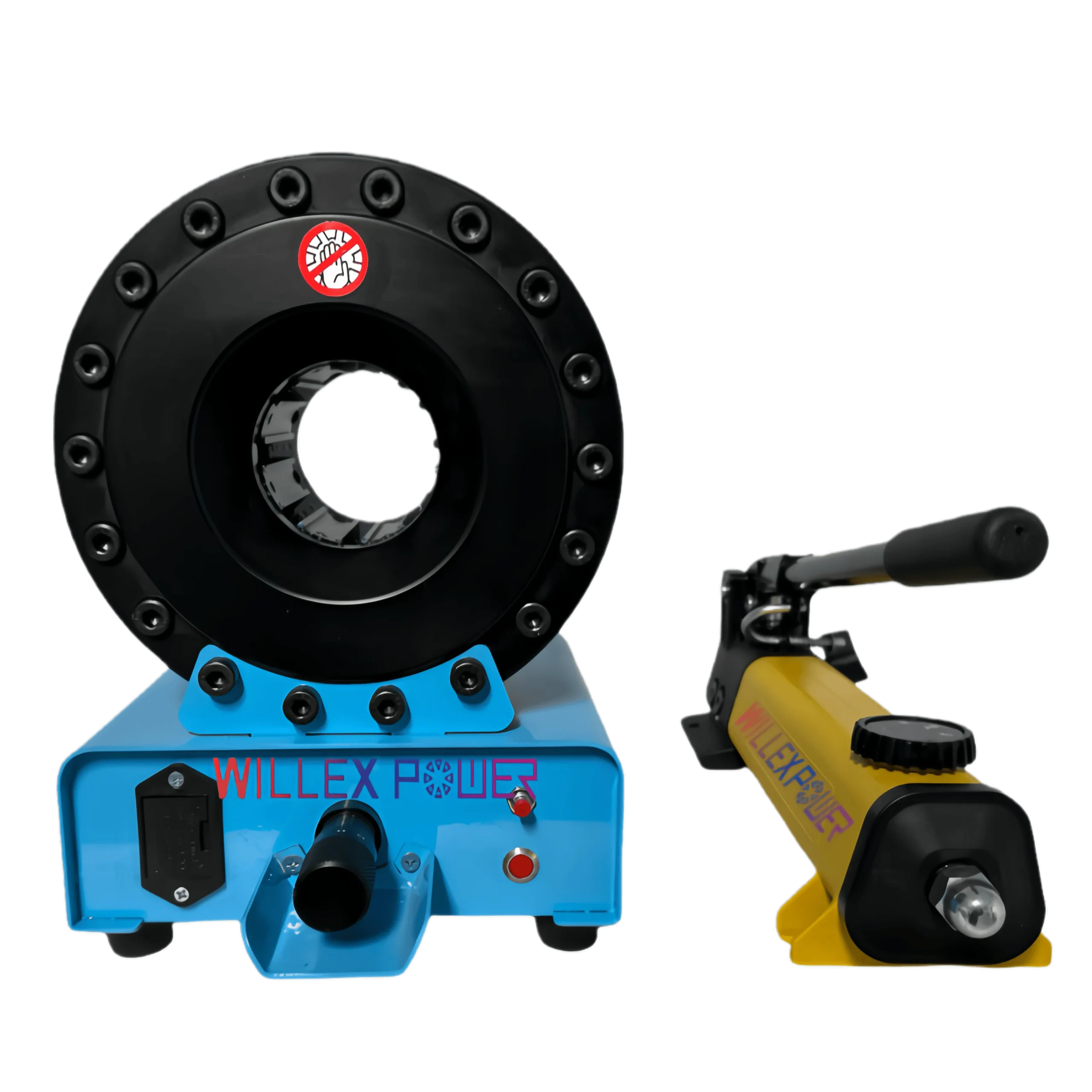
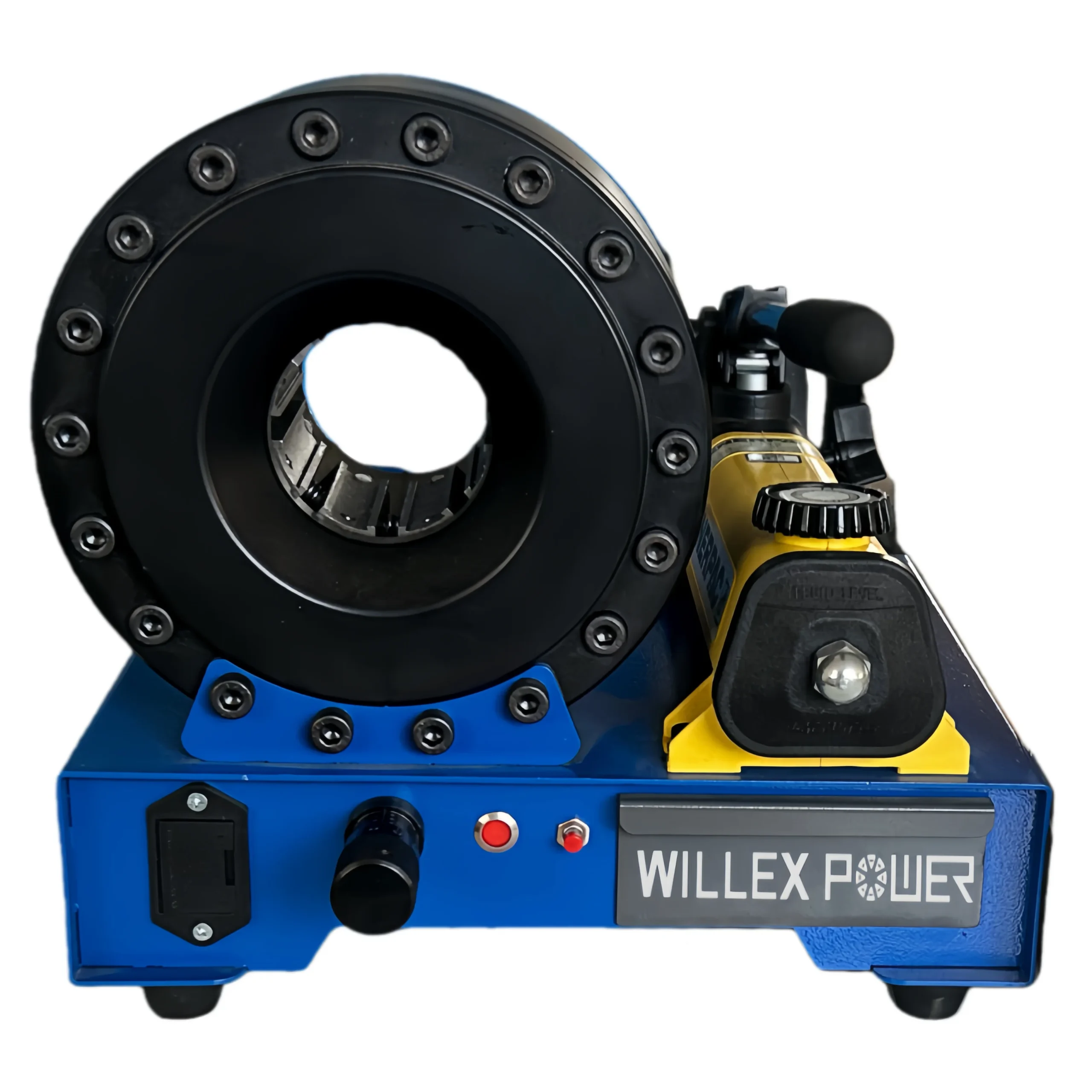
For small-scale hobbyists, manual tools might suffice, but for any commercial operation, the difference is stark. Automated systems provide consistency that manual tools simply cannot match. While manual crimping relies on the operator's "feel," professional machinery relies on hard data and hydraulic force. This ensures that every single hose produced is identical to the last, which is a critical requirement for certifications and insurance compliance in industrial sectors.
Industrial Applications of Hose Assembly Equipment
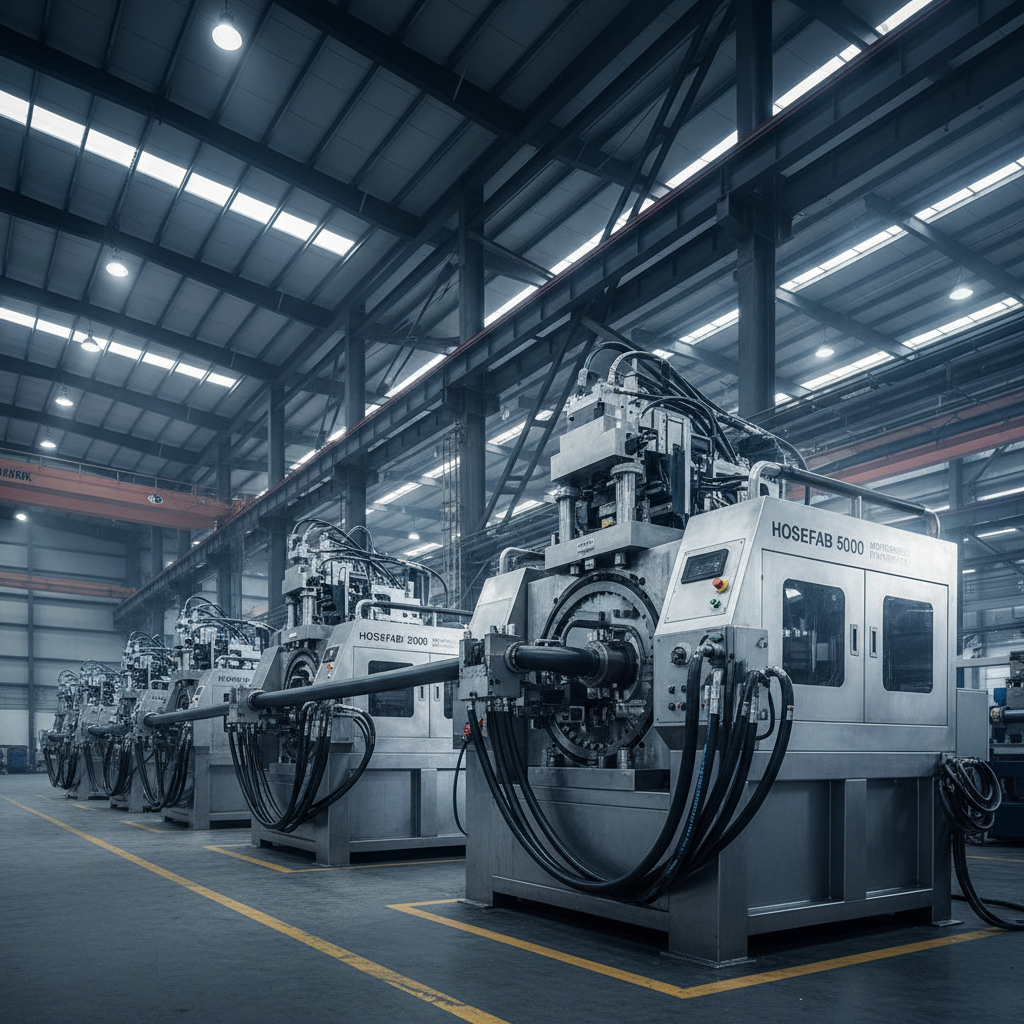
The versatility of High Quality HOSE ASSEMBLY MACHINES allows them to serve a multitude of sectors. In Agriculture, they are used to build high-pressure lines for tractors and harvesters. In Mining and Construction, these machines create the heavy-duty hoses required for excavators and drill rigs that operate in abrasive environments. Additionally, the Marine industry relies on precision crimping to ensure salt-water resistant assemblies that can withstand the constant vibration and pressure of ship engines.
Key Industry Sectors:
• Oil & Gas: High-pressure fluid transport
• Aviation: Lightweight, high-security couplings
• Manufacturing: Factory automation and pneumatic lines
• Automotive: Brake and steering system assemblies
Technical Specifications for Choosing the Right Machine
Not all machines are created equal. When browsing for High Quality HOSE ASSEMBLY MACHINES, you must consider the tonnage of the press, the die range, and the cycle time. Tonnage determines the maximum hose size and pressure rating you can handle, while the die range defines the variety of fittings you can support. Below is a typical specification table for an industrial-grade assembly machine to guide your procurement process:
Conclusion: Elevating Your Production with Quality Machinery
Selecting High Quality HOSE ASSEMBLY MACHINES is an investment in the longevity and reputation of your business. By eliminating the variables associated with manual crimping and embracing the precision of modern hydraulic technology, you ensure that every hose leaving your shop is safe, reliable, and professional. Don't let a single faulty connection jeopardize your operation—choose equipment that guarantees perfection every time.
Frequently Asked Questions (FAQs)
How do I choose the correct die set for my hose machine?
Choosing the correct die set requires knowing the exact outer diameter of the fitting after it has been crimped. This is usually provided by the hose and fitting manufacturer in a "crimping specification chart." Using the wrong die can lead to either a loose connection or a crushed fitting. High-quality machines often come with a versatile range of dies, but it is essential to cross-reference your specific hose brand with the die size to ensure a perfect seal and full pressure rating.
What is the difference between a manual and a digital crimper?
A manual crimper relies on a hand lever or simple mechanical dial to set the depth, making it prone to human error and inconsistency. A digital crimper, found in most High Quality HOSE ASSEMBLY MACHINES, uses an electronic sensor and a digital display to set the crimping diameter precisely. This allows for the storage of multiple presets, meaning you can switch between different hose types in seconds without needing to manually measure and adjust the machine every time.
How often should hose assembly machines be serviced?
To maintain industrial precision, we recommend a comprehensive service every 6 to 12 months, depending on usage volume. Key maintenance tasks include checking hydraulic oil levels, inspecting seals for leaks, and lubricating the moving parts of the crimping head. Additionally, the digital calibration should be verified quarterly. Regular maintenance prevents unexpected downtime and ensures that your assemblies continue to meet safety standards without deviation.
Can one machine handle all types of hydraulic hoses?
While many professional machines are highly versatile, their capacity is limited by the total tonnage of the press and the available die sets. A machine designed for small pneumatic lines will not have the power to crimp large-bore heavy hydraulic hoses. However, a high-capacity industrial machine can handle a wide range of sizes provided you have the corresponding die sets. We recommend assessing your most common hose sizes and choosing a machine that covers that range with a 20% buffer for future growth.
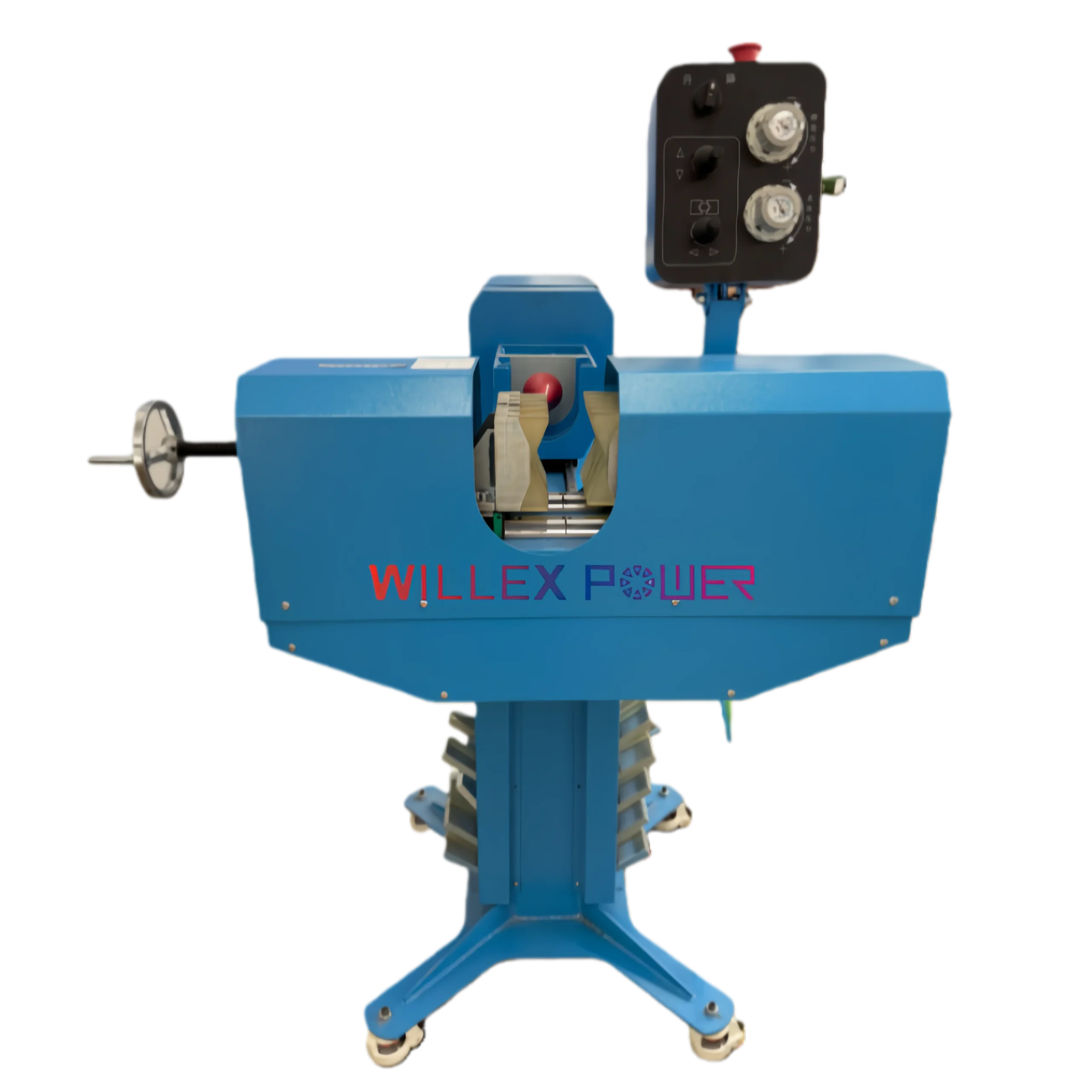
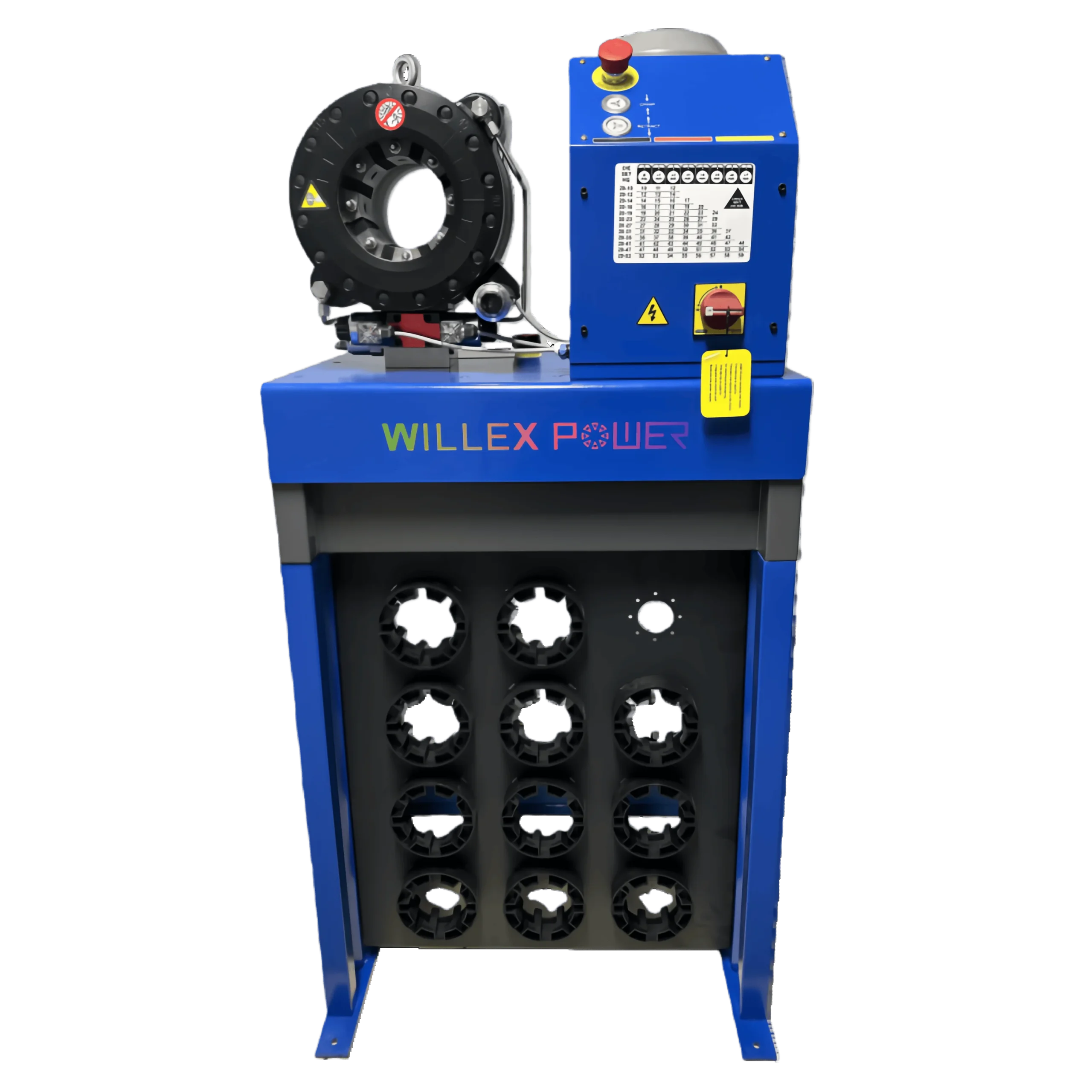
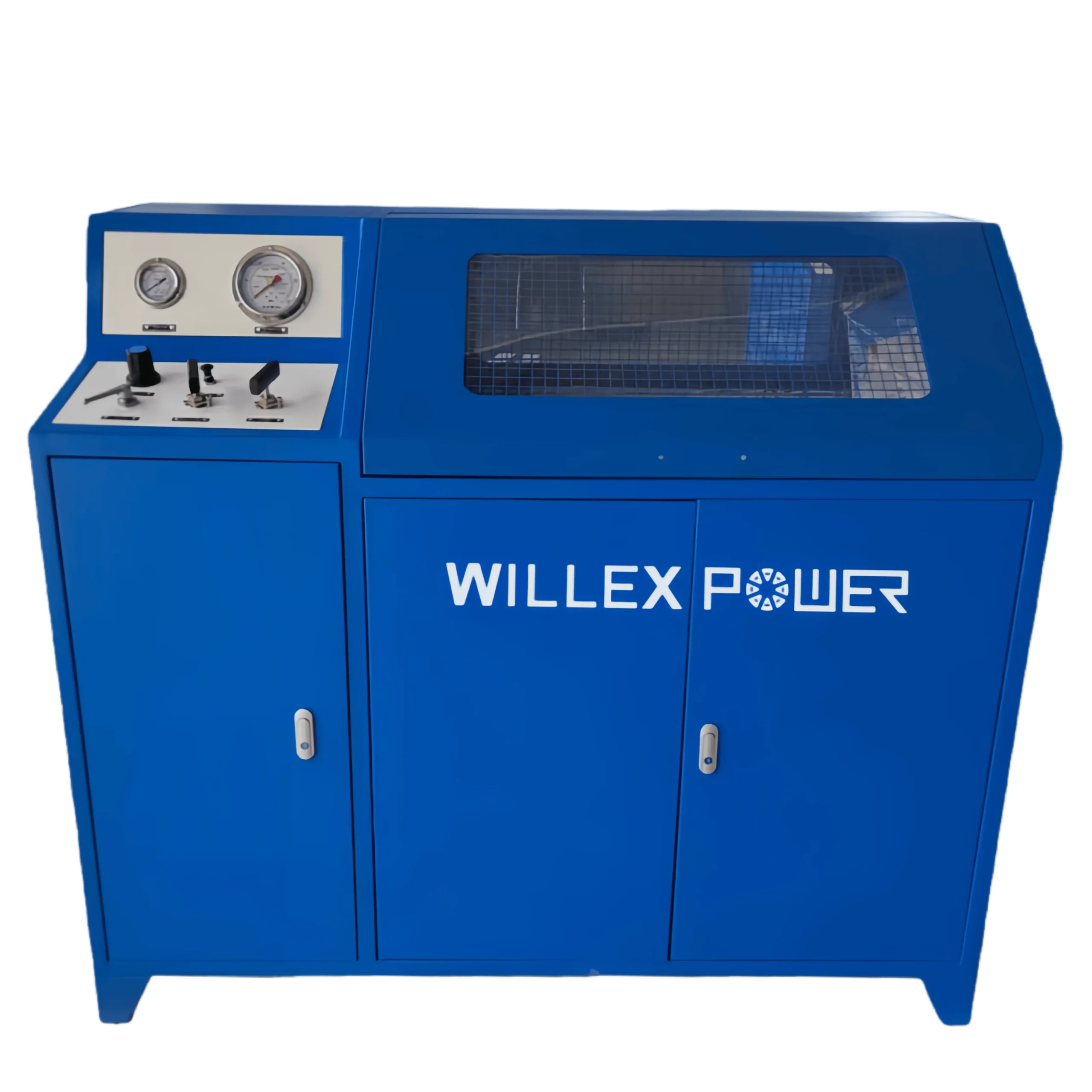
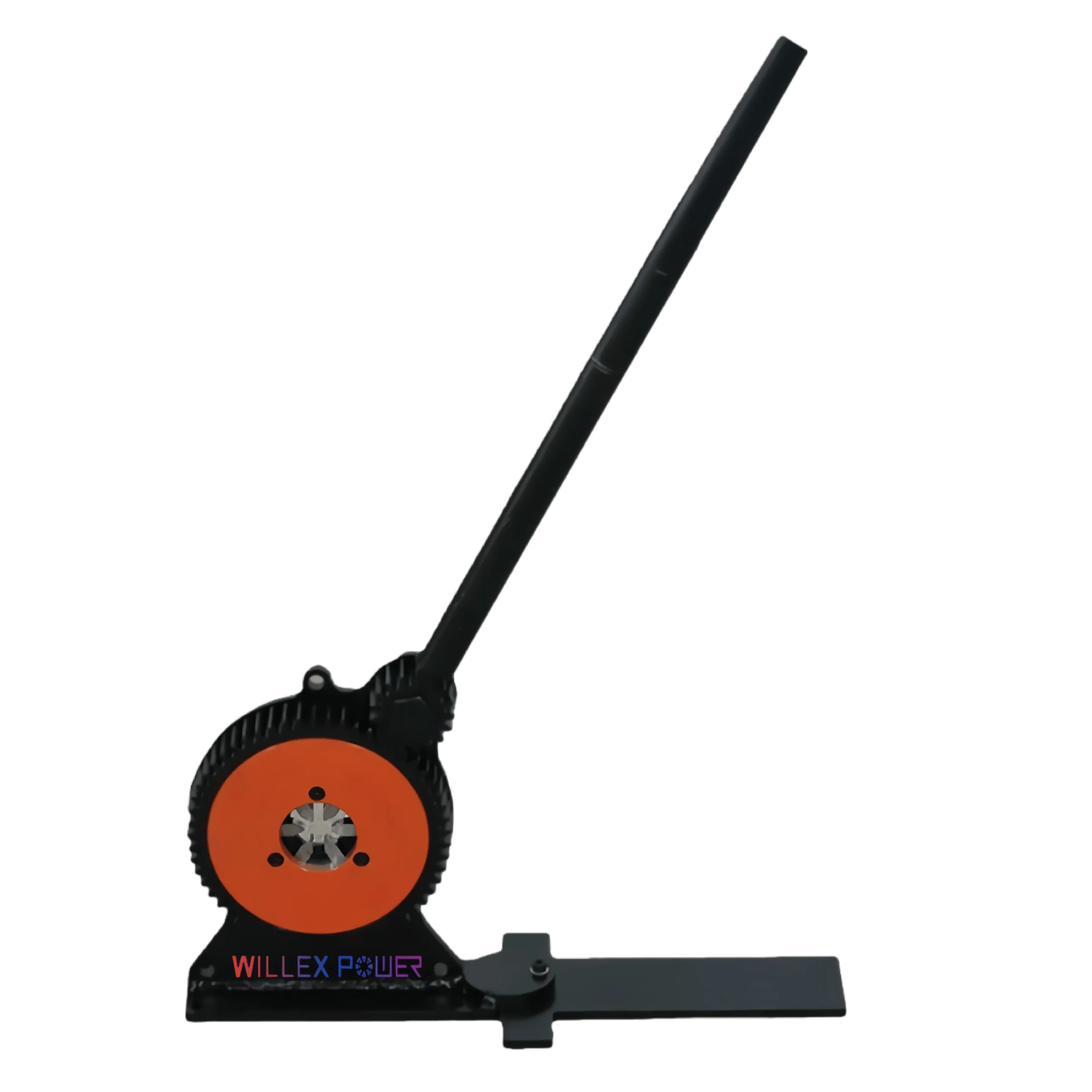
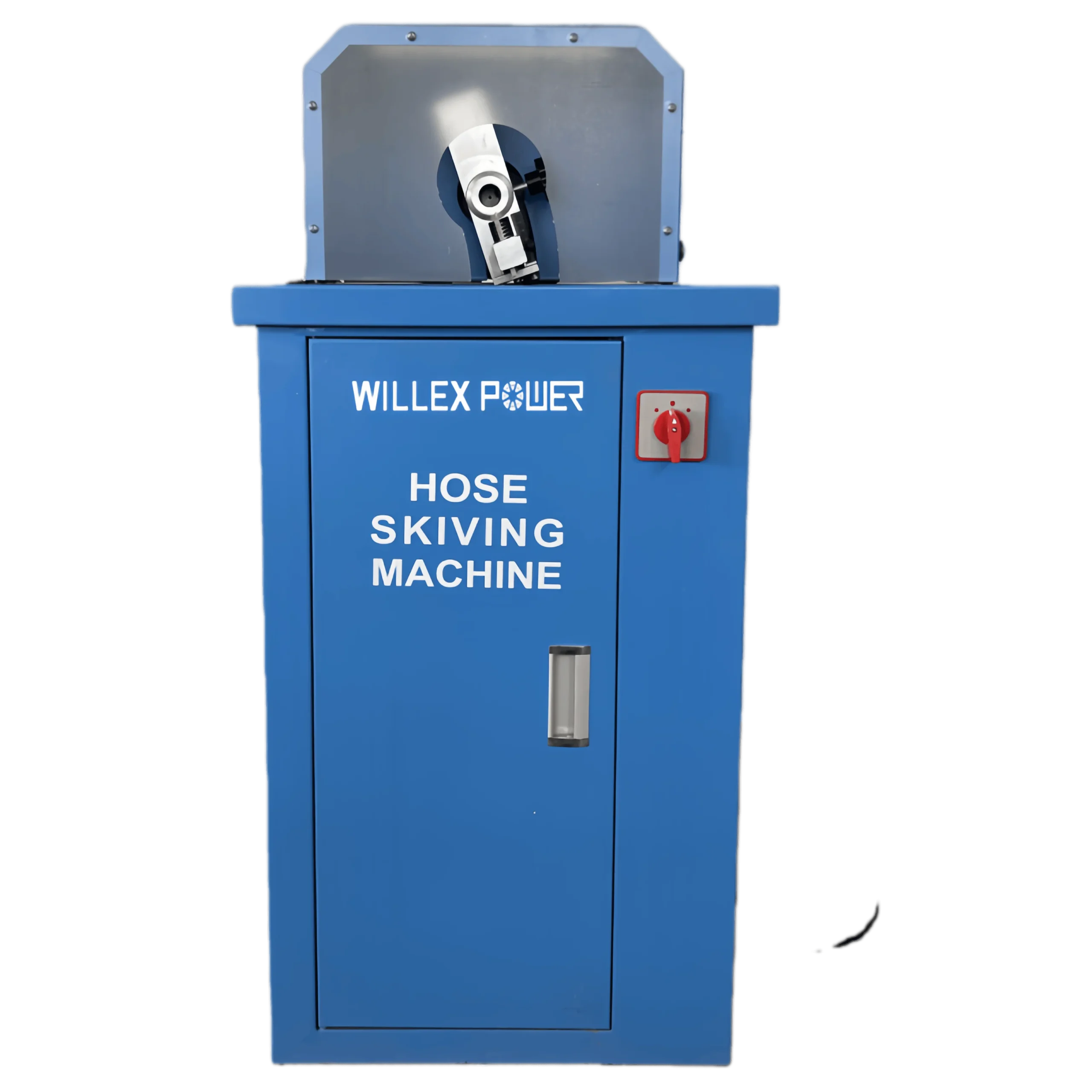
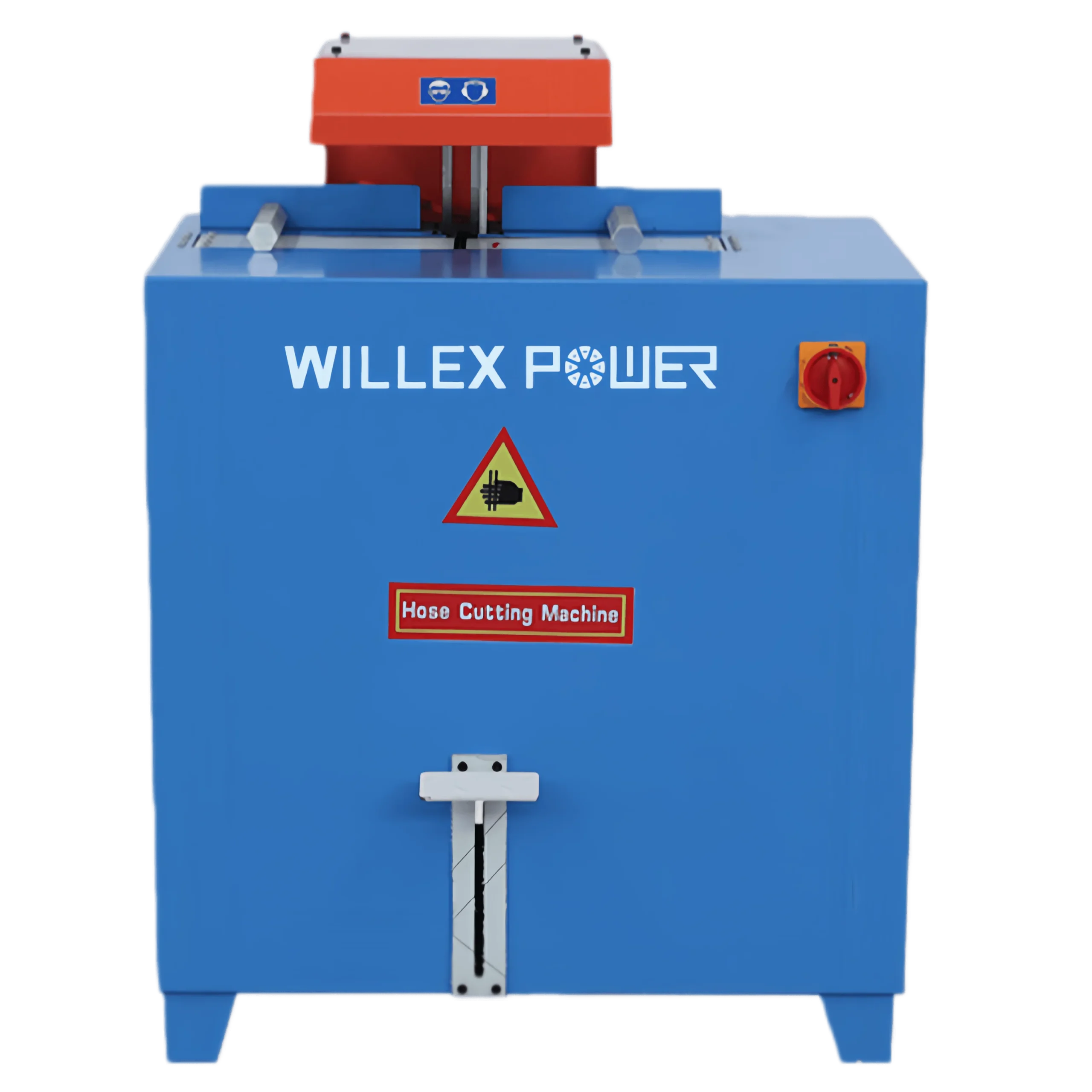
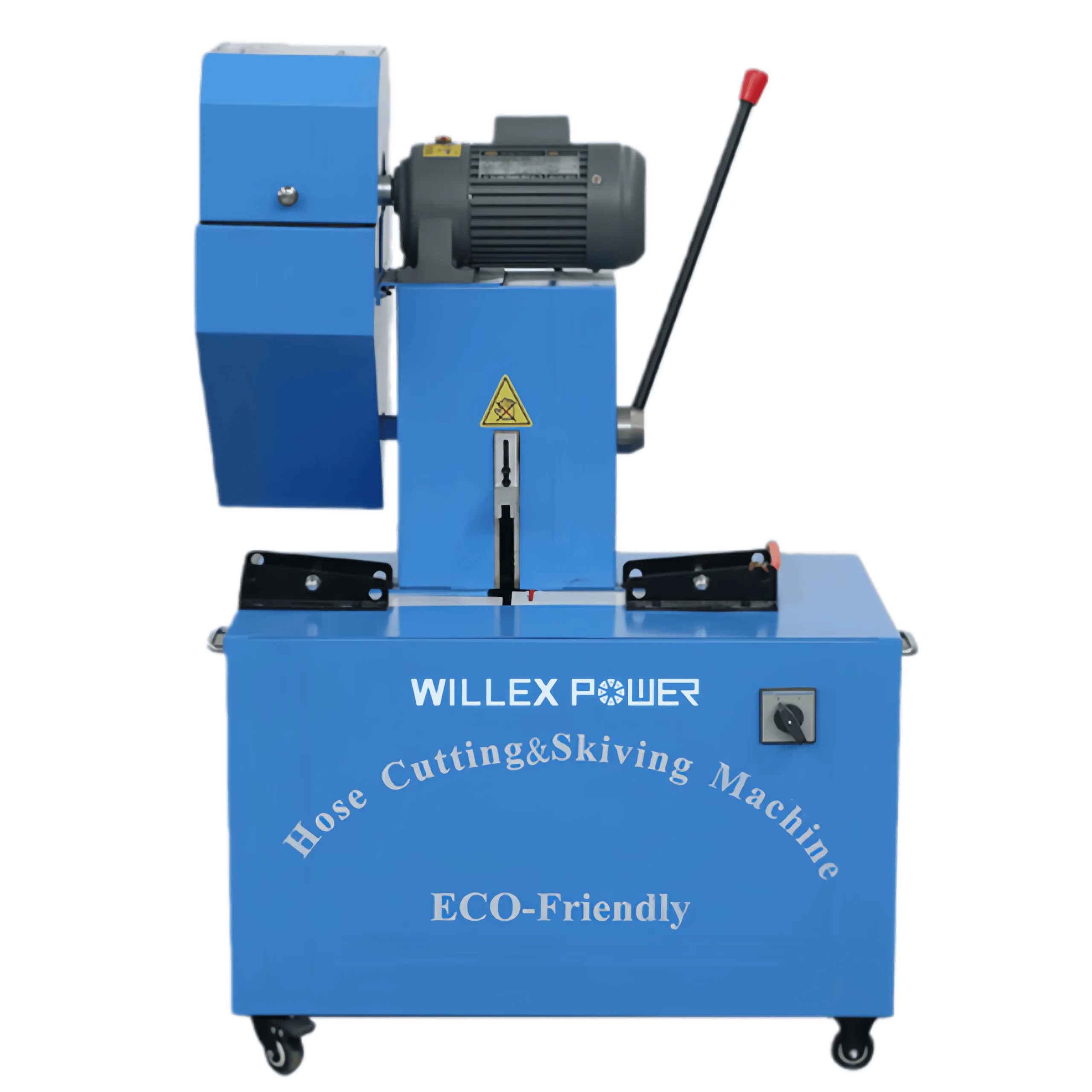
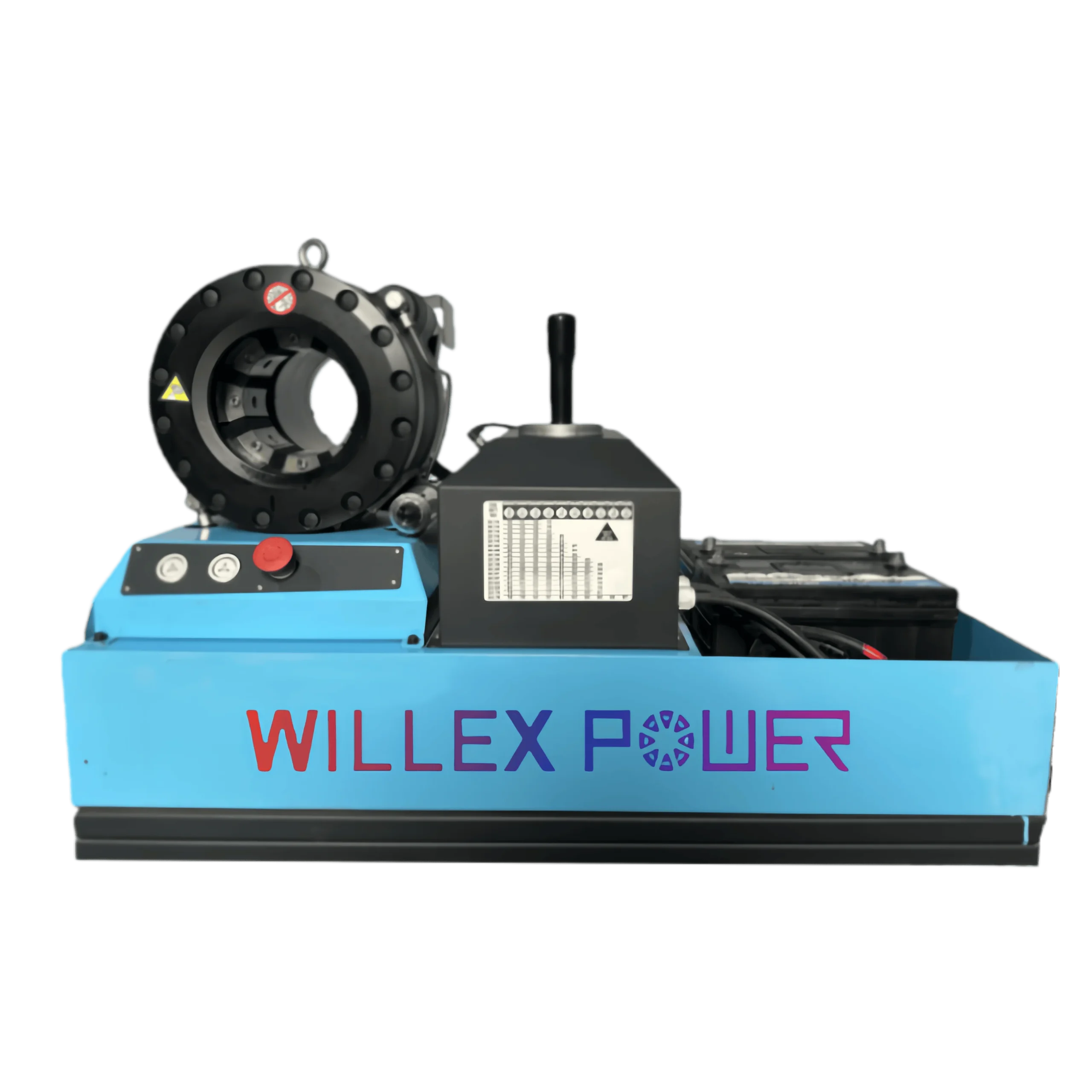
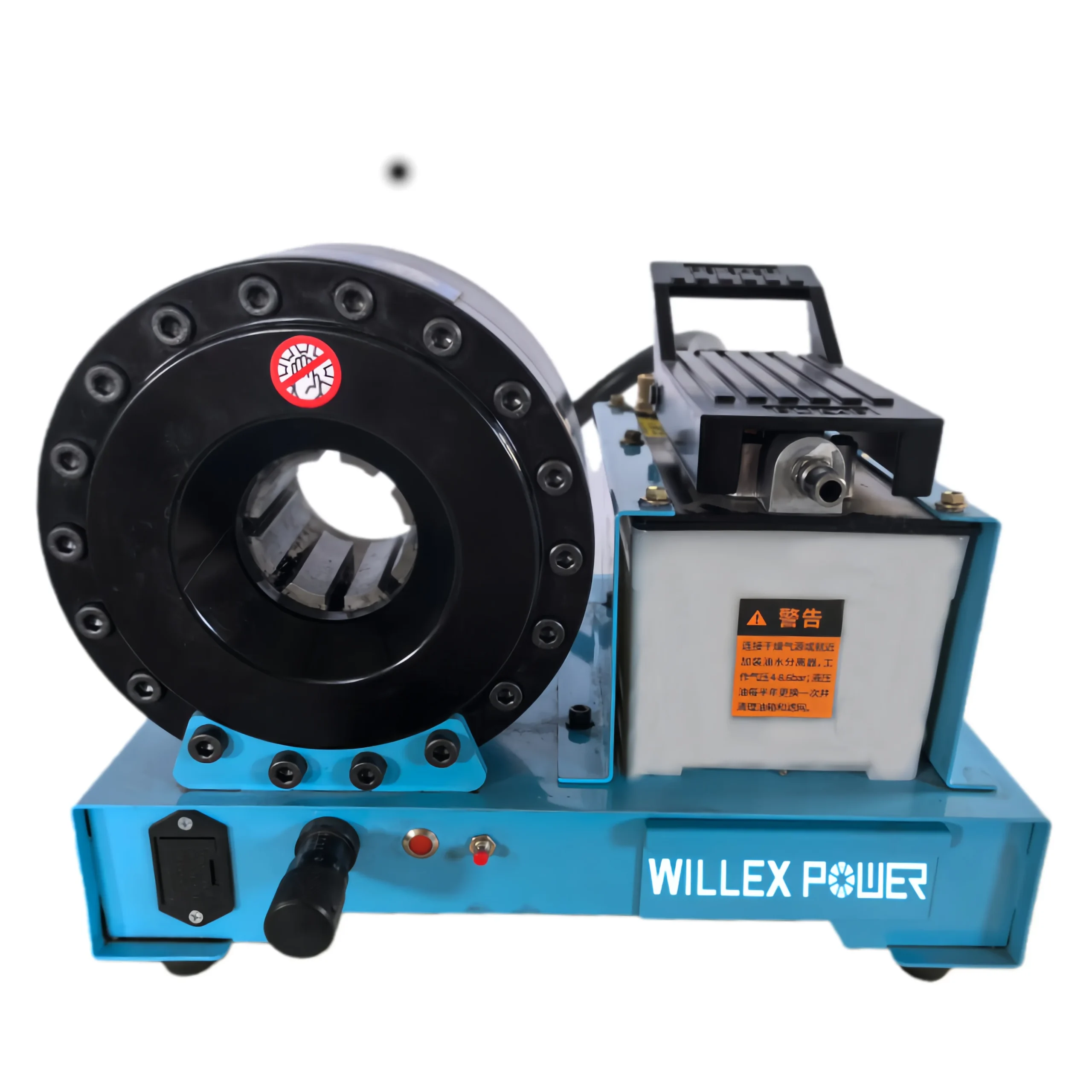
-20260121013914-scaled.webp "WILLEX POWER DZW-A10-1 Hose Crimping Machine")
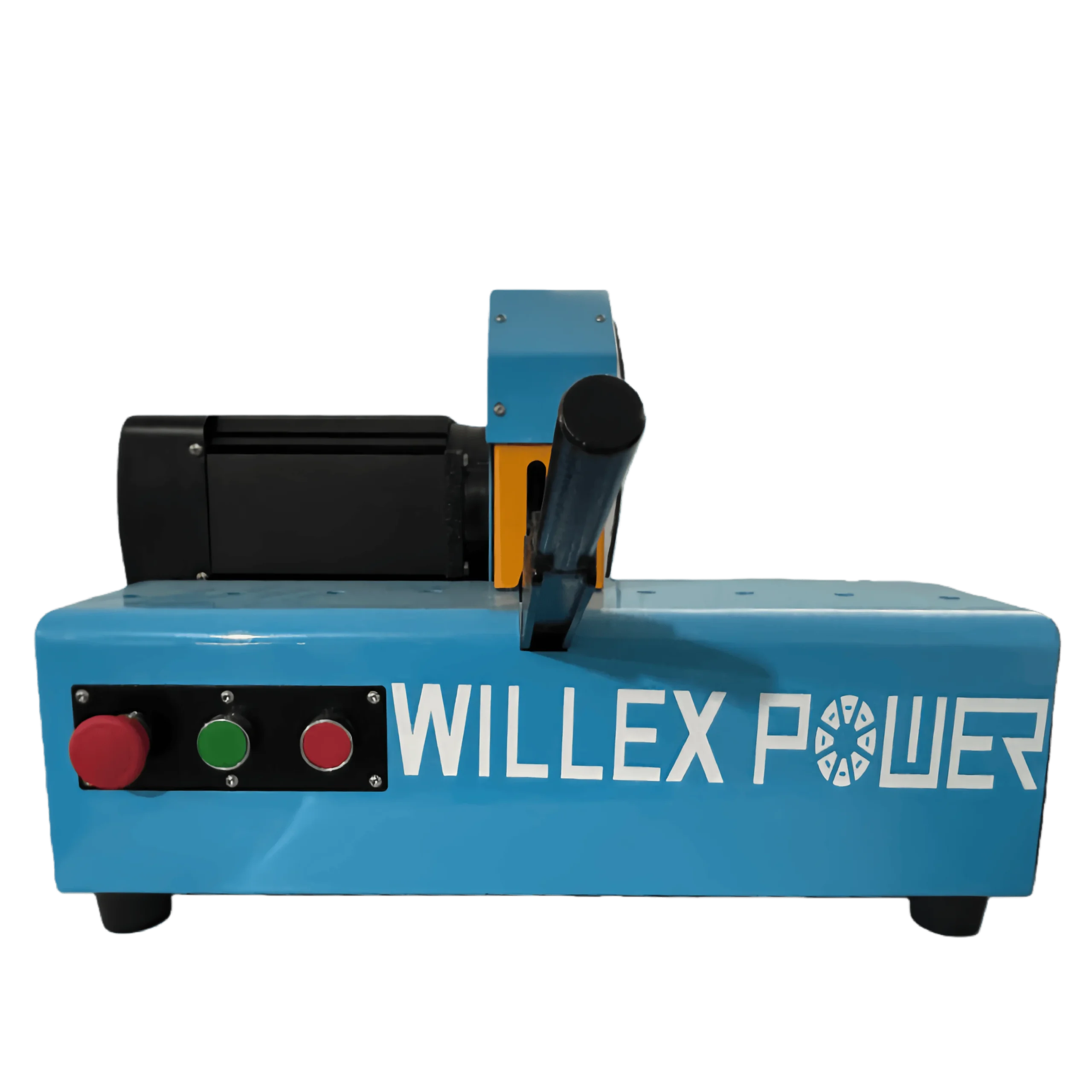
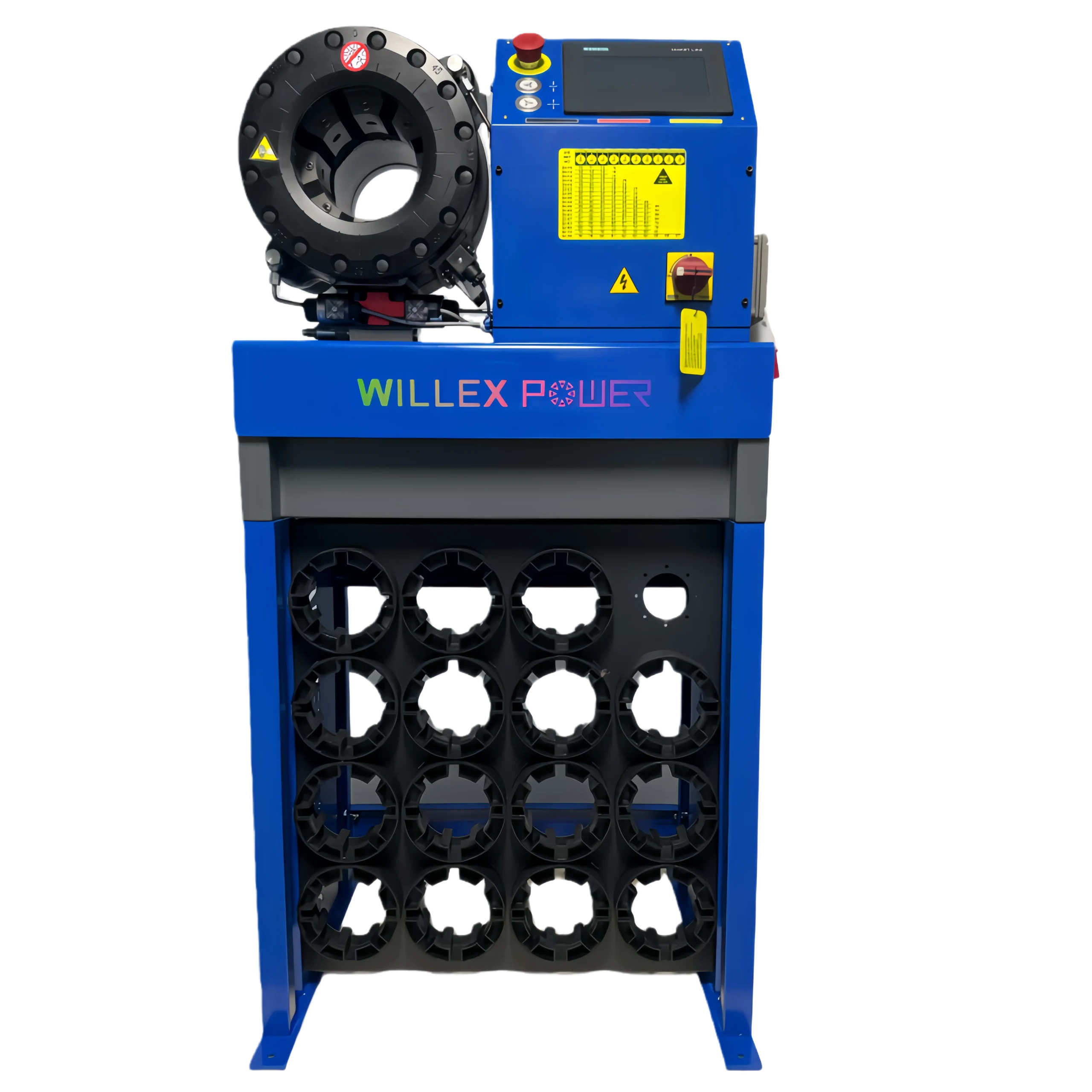
-20260121014427-scaled.webp "Hose Crimping Machine DZW-A10")
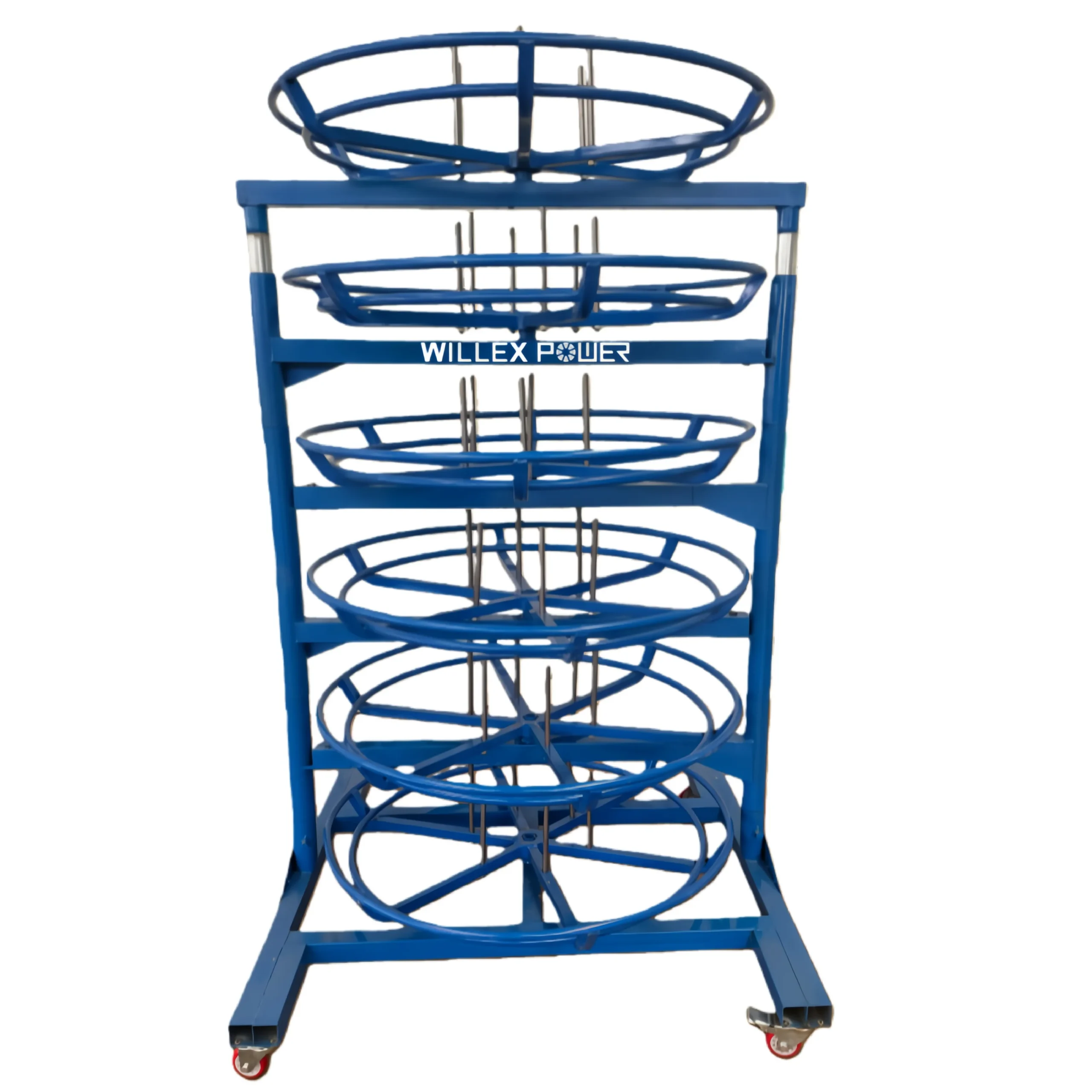
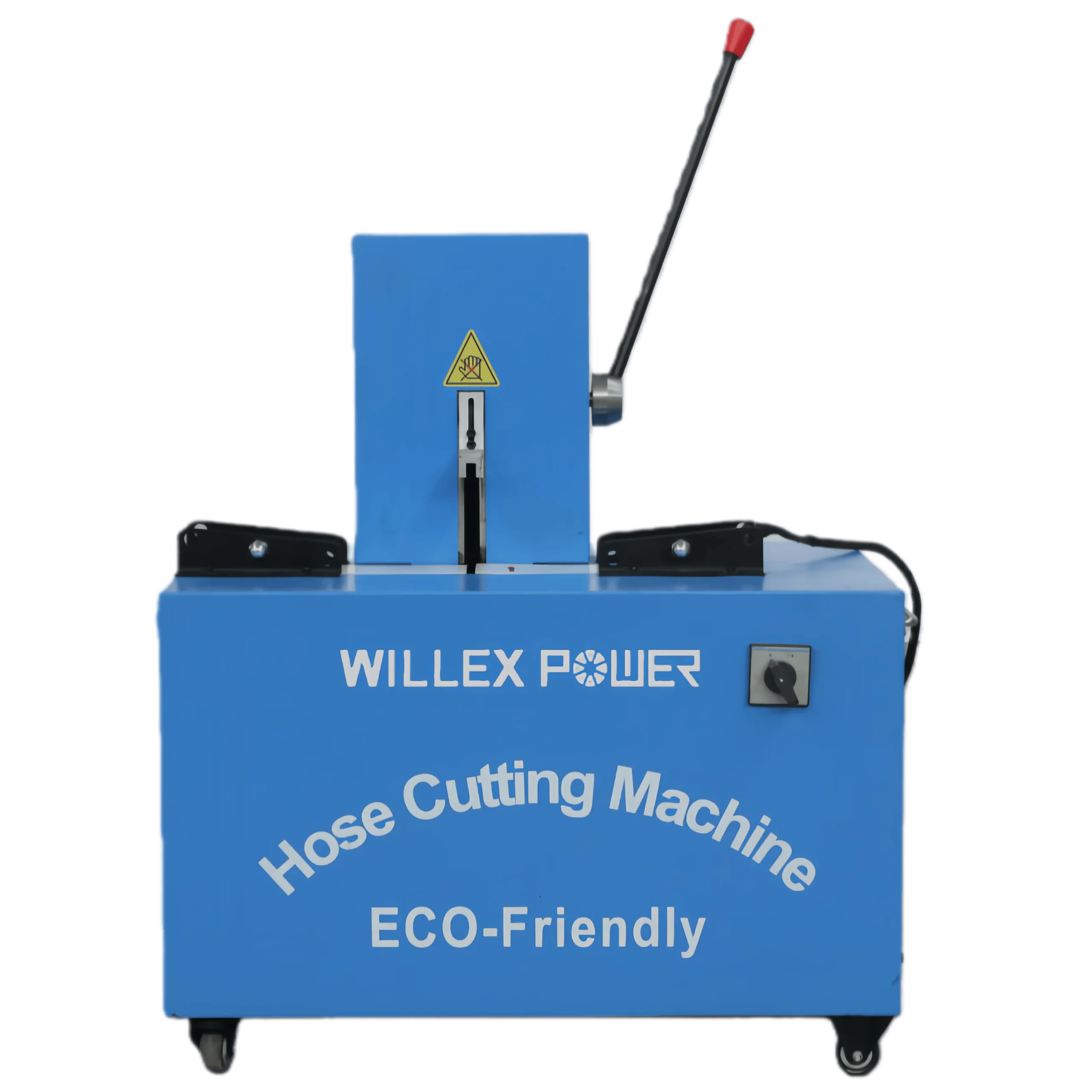
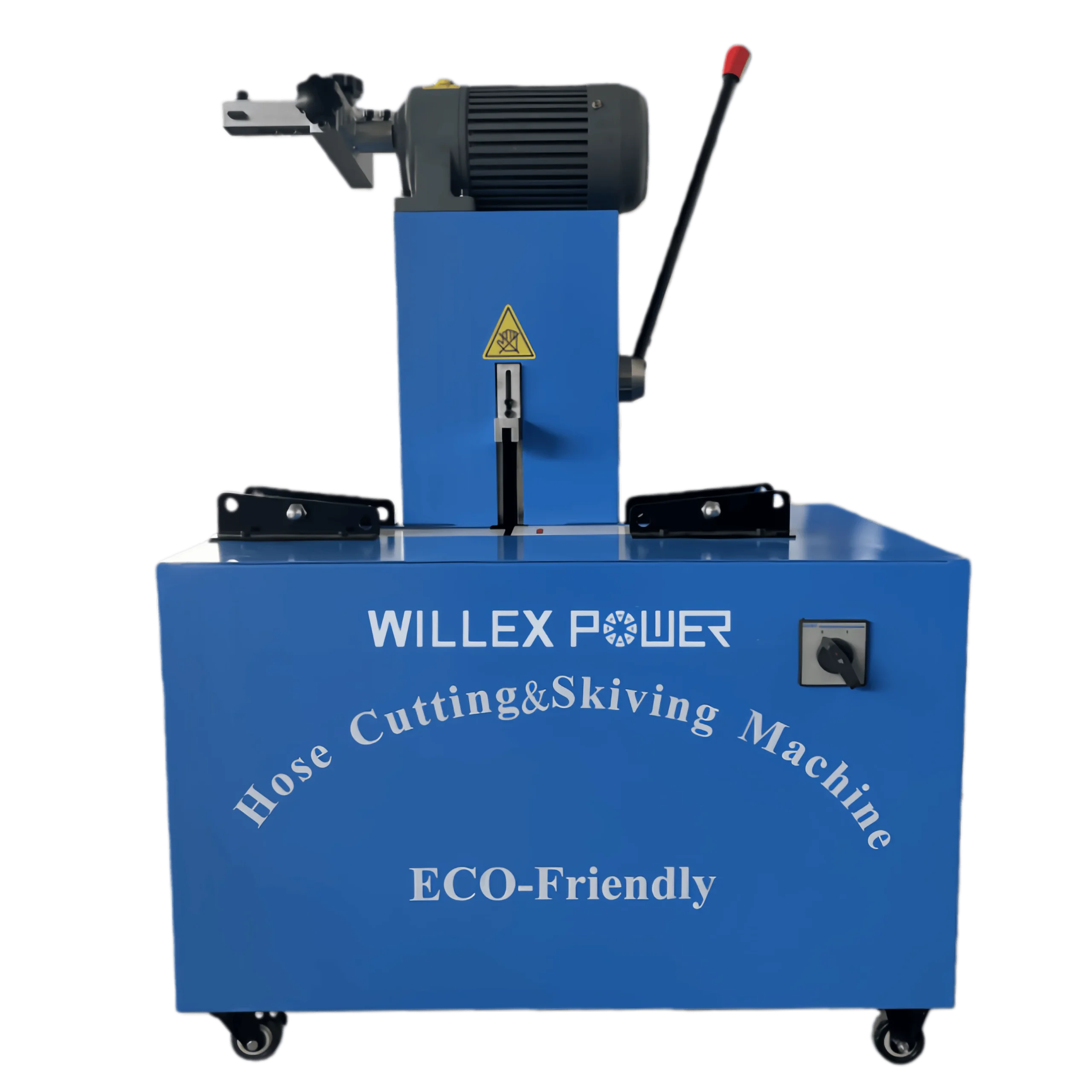
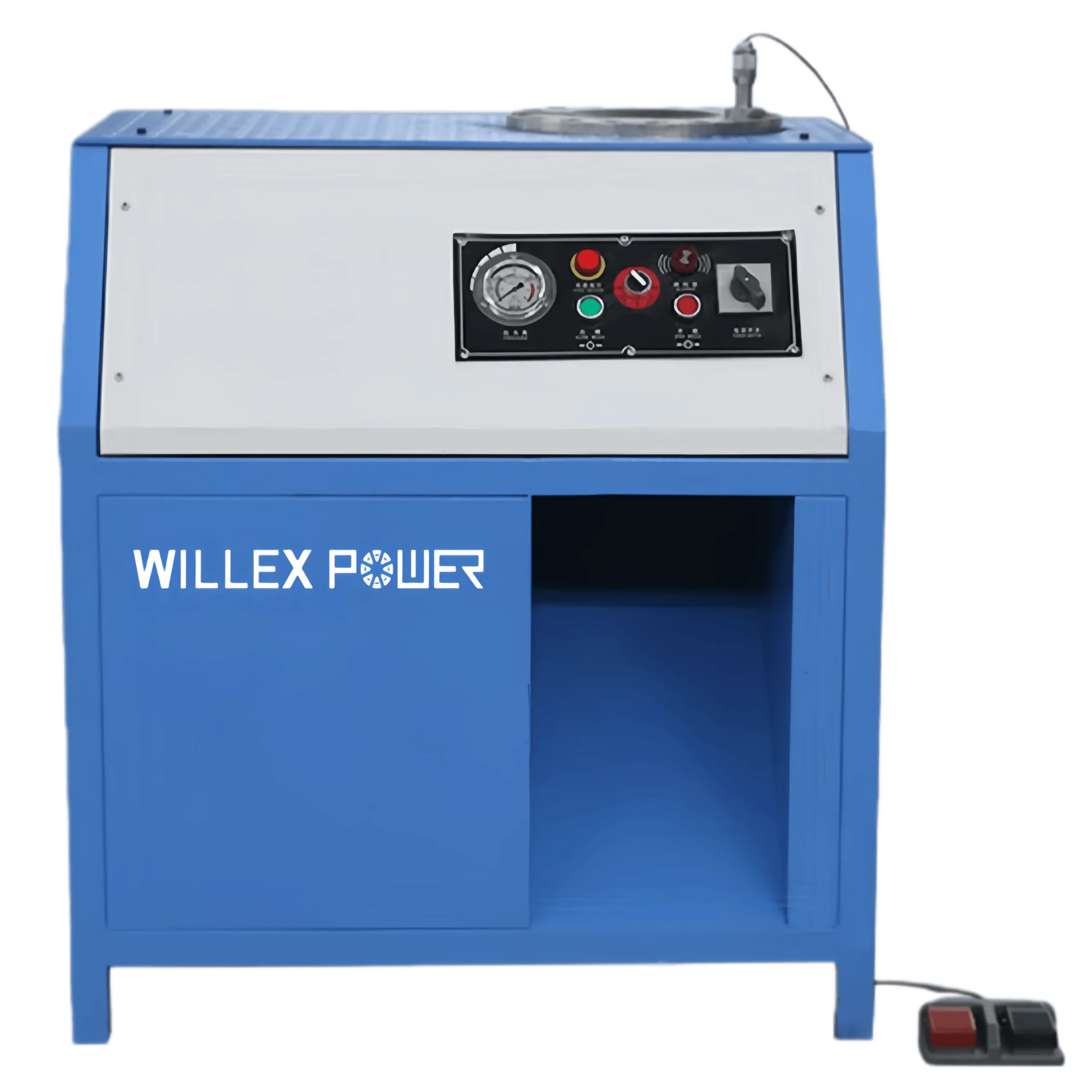
-20260121015636-scaled.webp "Hose Skiving Machine DZW-51BJ-M")
-20260121015753-scaled.webp "Hose Skiving Machine DZW-51BJ-C")
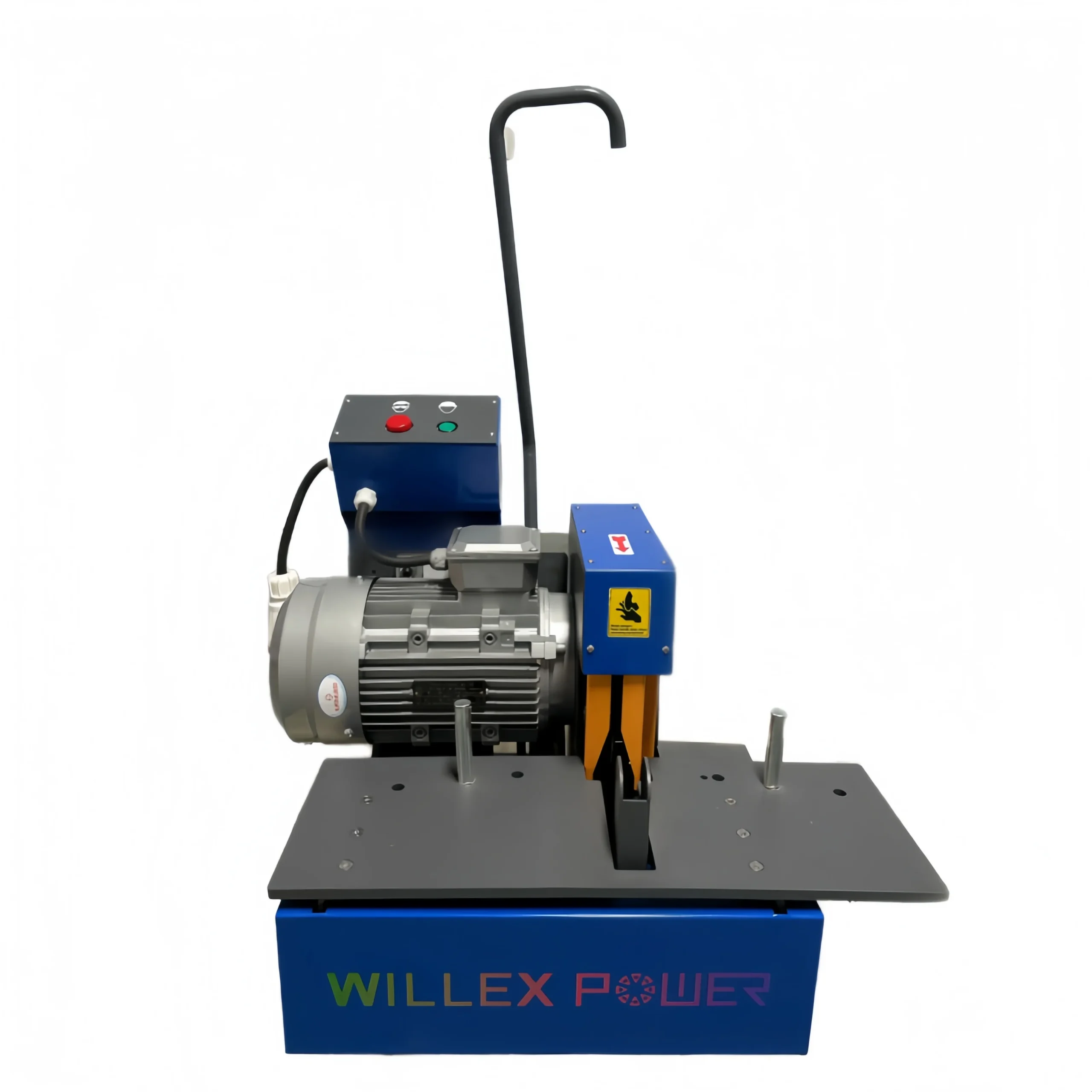
-20260121020311-scaled.webp "Hose Skiving Machine DZW-51BJ-E")