• Home
  • Top Blog
  • Professional Hose Crimper for Hydraulic Hoses and Industrial Equipment

Professional Hose Crimper for Hydraulic Hoses and Industrial Equipment

0%

Table of Contents

In the demanding world of fluid power and industrial machinery, the integrity of a connection is the difference between seamless operation and catastrophic failure. A high-quality hose crimper for hydraulic hoses is not merely a tool but a critical piece of engineering equipment that ensures hydraulic fittings are permanently and securely bonded to hoses, capable of withstanding extreme pressures.

Across global manufacturing sectors—from heavy mining equipment to aerospace hydraulics—the need for precision crimping has never been more acute. As hydraulic systems evolve to handle higher pressures and more aggressive fluids, the technology behind the hose crimper for hydraulic hoses has shifted from simple manual presses to sophisticated, digitally controlled systems that eliminate human error and guarantee safety.

Understanding the nuances of crimping technology allows operators to reduce downtime, enhance workplace safety, and extend the lifecycle of their hydraulic assemblies. By focusing on the synergy between the machine, the die set, and the hose specifications, industries can achieve a level of reliability that meets stringent international standards like ISO and SAE.
hose crimper for hydraulic hoses

Global Significance of Hydraulic Crimping Technology
hose crimper for hydraulic hoses

The global reliance on hydraulic systems is absolute, powering everything from municipal waste management trucks to the massive excavators used in open-pit mining. According to industrial trends aligned with ISO standards, the precision of the terminal connection is the most common point of failure in fluid power systems. This makes the hose crimper for hydraulic hoses a cornerstone of industrial safety and productivity.

In regions with rapidly expanding infrastructure, such as Southeast Asia and Africa, the deployment of robust crimping equipment is essential to maintain the heavy machinery required for urban development. Without a standardized approach to crimping, the risk of high-pressure leaks increases, leading to environmental contamination and severe workplace injuries, underscoring the global necessity for professional-grade equipment.

Defining the Modern Hose Crimper for Hydraulic Hoses

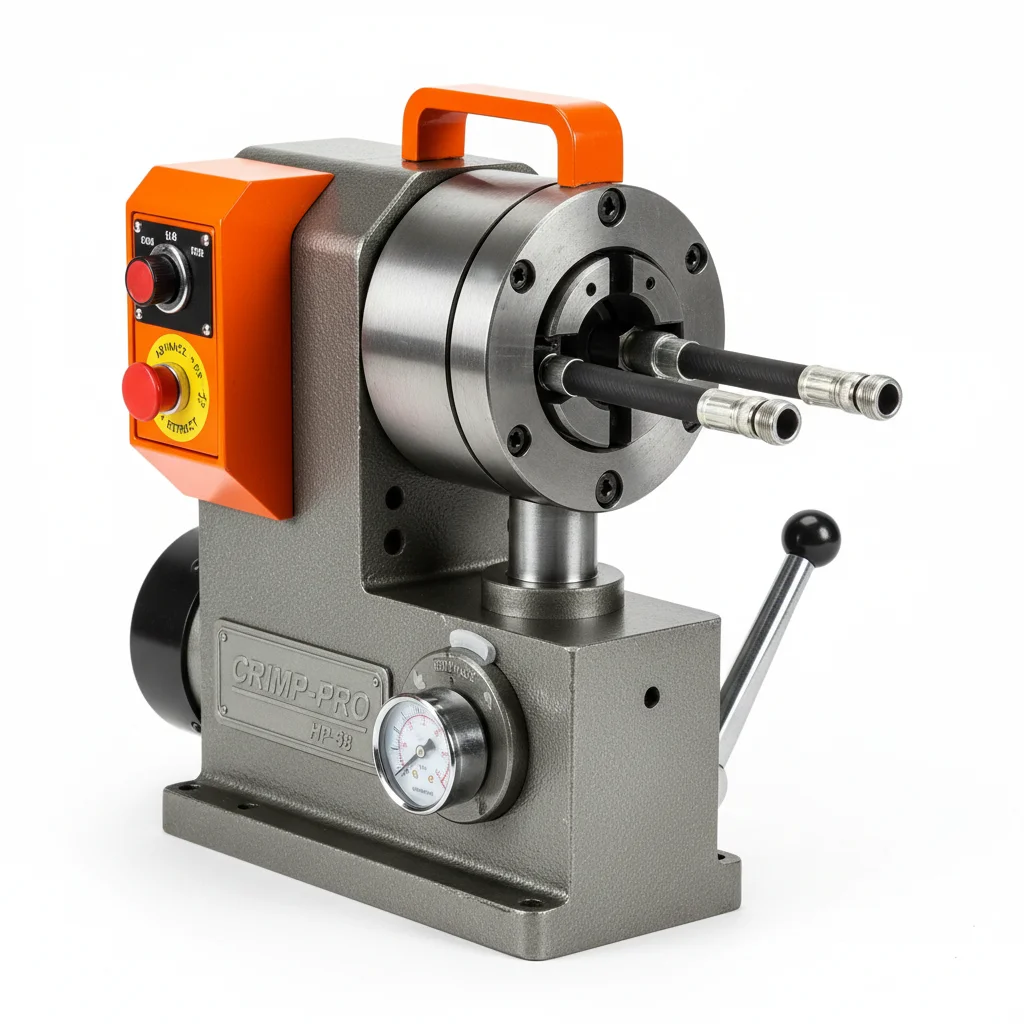
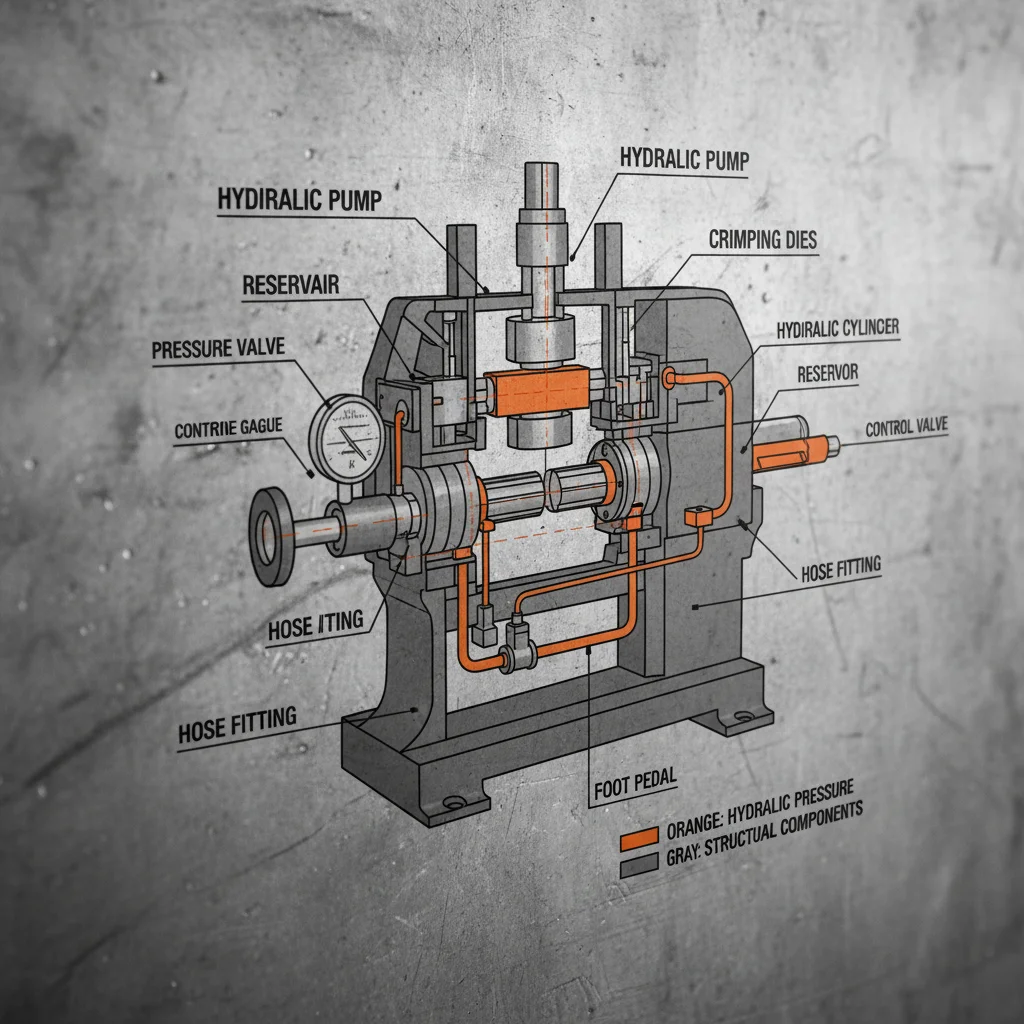
In its simplest form, a hose crimper for hydraulic hoses is a specialized press designed to deform a metal fitting (ferrule) around a hydraulic hose. This process creates a mechanical bond that is strong enough to prevent the hose from being pulled out of the fitting, even when the system is subjected to thousands of pounds of pressure per square inch (PSI).

Unlike general-purpose presses, these machines are engineered for concentricity. If the crimp is not perfectly centered, the pressure distribution becomes uneven, which can cause the fitting to fail prematurely. Modern machines integrate hydraulic power with precision dies to ensure that the compression is uniform across the entire circumference of the hose.

This technology bridges the gap between raw material and a functional industrial component. By transforming a length of reinforced rubber and a steel fitting into a high-pressure conduit, these machines enable the transmission of energy in the most challenging environments on earth, from the depths of underwater drilling to the heights of construction cranes.

Core Components for High-Pressure Reliability

The efficacy of a hose crimper for hydraulic hoses depends heavily on the quality of its dies. The dies are the hardened steel inserts that actually touch the fitting; they must be manufactured to incredibly tight tolerances to ensure the correct "crimp diameter" is achieved every time.

Durability and structural rigidity are the second pillars of reliability. A high-end hose crimper for hydraulic hoses utilizes a heavy-duty frame that resists deflection under load. If the machine frame flexes during the crimping cycle, the resulting connection may be skewed, compromising the safety of the entire hydraulic circuit.

Finally, the control system—whether manual, semi-automatic, or fully digital—determines the repeatability of the process. Digital interfaces allow operators to store specific settings for different hose sizes and pressure ratings, ensuring that a technician in a remote field shop produces the same quality of work as a factory specialist.

Performance Metrics and Efficiency Analysis

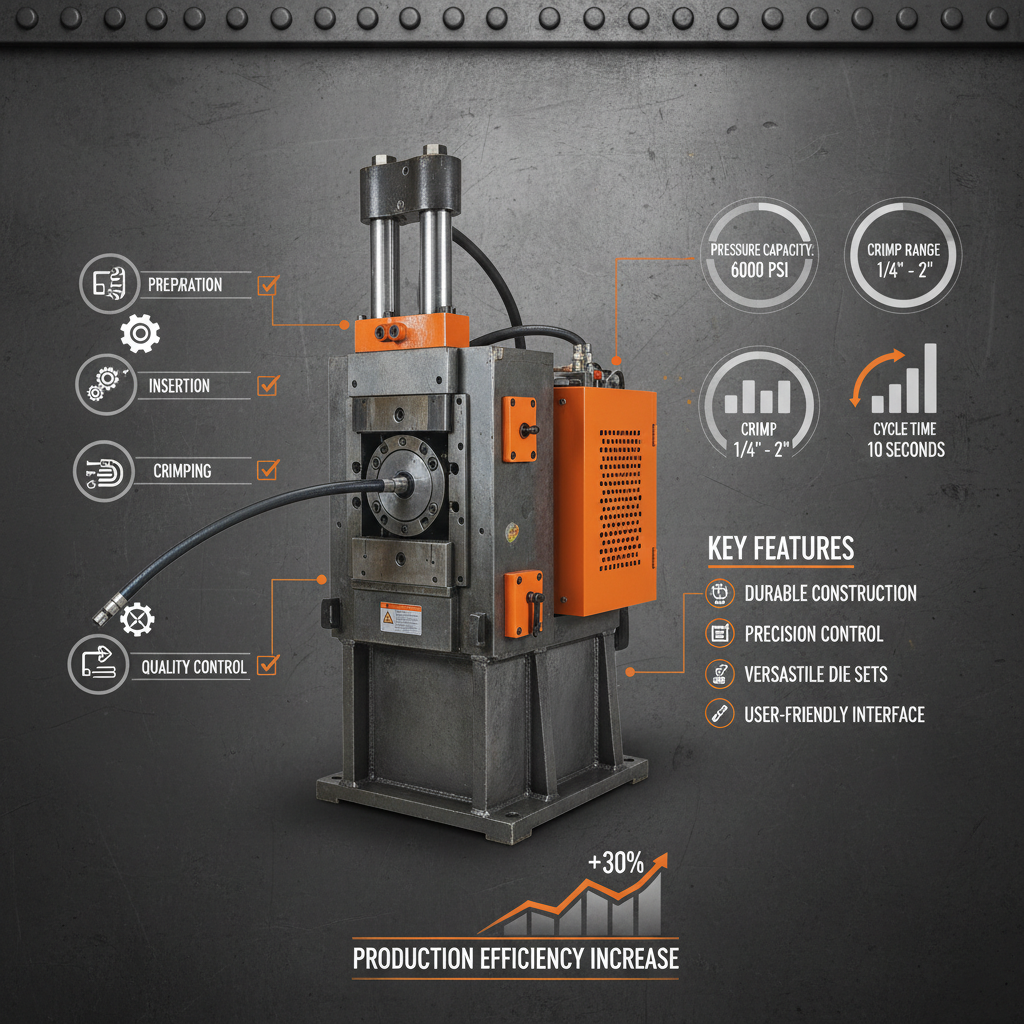
When evaluating a hose crimper for hydraulic hoses, professionals look at key performance indicators (KPIs) such as cycle time, precision accuracy, and versatility. The ability to switch between different die sets quickly allows a shop to handle a wide variety of hose diameters without significant downtime.

Efficiency is not just about speed; it is about the reduction of scrap material. A precise machine ensures that the first crimp is the correct crimp, eliminating the need for costly re-dos or the disposal of expensive high-pressure hoses due to over-crimping.

Comparison of Hose Crimping Method Efficiencies

Global Industrial Applications and Use Cases

The application of a hose crimper for hydraulic hoses extends far beyond the workshop. In the mining sector, where massive haul trucks operate 24/7, on-site crimping stations are essential. A single burst hose can halt production costing thousands of dollars per hour; having a reliable crimper on-site allows for immediate repair and minimal downtime.

Similarly, in maritime and offshore oil drilling, the corrosive saltwater environment puts immense stress on hydraulic lines. Technicians use high-precision crimpers to assemble reinforced, corrosion-resistant hoses that can withstand the extreme pressures of deep-sea extraction, ensuring that safety valves and drilling rigs remain operational under the most hostile conditions.

Long-Term Value and Operational Advantages

Investing in a professional hose crimper for hydraulic hoses provides a tangible return on investment through increased safety and reduced liability. A properly crimped hose adheres to safety factors that prevent "blow-offs," which can lead to high-pressure fluid injection injuries—one of the most dangerous accidents in industrial maintenance.

From a sustainability perspective, precise crimping extends the life of the hose. By avoiding over-compression, which can weaken the hose reinforcement, and under-compression, which leads to leaks, companies reduce the volume of rubber and steel waste entering landfills.

Ultimately, the value lies in trust. When a company can certify that every assembly was produced on a calibrated, high-precision machine, they build a reputation for reliability. This trust is a critical competitive advantage in the B2B industrial equipment market.

Future Innovations in Hydraulic Assembly

The future of the hose crimper for hydraulic hoses is leaning heavily toward the "Industry 4.0" philosophy. We are seeing the integration of IoT sensors that monitor the wear and tear of the dies in real-time, alerting operators to perform maintenance before the precision of the crimp begins to drift.

Automation is also playing a larger role. Fully automated assembly lines are now capable of cutting, skiving, and crimping hoses without manual intervention, significantly increasing throughput for large-scale manufacturers of pre-assembled hose kits.

Furthermore, as green energy grows, we are seeing these machines adapt to new biodegradable hydraulic fluids and bio-based hose materials, which require slightly different compression profiles to maintain a leak-proof seal.

Comparative Analysis of Hydraulic Crimper Technology Tiers

Technology Tier Precision Level Automation Degree Ideal Use Case
Manual Hand Press Low (±0.5mm) None Light Duty / Emergency
Electric Semi-Auto Medium (±0.2mm) Partial Small Repair Shops
Hydraulic Digital High (±0.1mm) High Industrial Assembly
CNC Integrated Ultra-High (±0.05mm) Full OEM Manufacturing
IoT-Enabled Smart Press Dynamic/Adaptive Full + Remote Smart Factories
Custom High-Tonnage High (±0.15mm) Medium Heavy Mining/Oil

FAQS

How do I determine the correct crimp diameter for my hose?

The correct crimp diameter is typically provided by the hose and fitting manufacturer in a specification chart. To find it, you measure the diameter of the assembled hose and fitting before crimping, then subtract the specified "crimp allowance." Using a digital hose crimper for hydraulic hoses makes this process easier as many allow you to input the hose type to automatically set the target diameter.

What causes a hydraulic hose to leak at the crimp?

Leaks usually occur due to under-crimping (not enough pressure to create a seal) or over-crimping (which crushes the hose reinforcement and weakens the structure). Other factors include using incompatible dies, improper hose insertion depth, or using damaged fittings. Ensuring your hose crimper for hydraulic hoses is calibrated is the best way to prevent this.

Can I use the same crimper for different brands of hoses?

Yes, provided you have the correct die sets. While the machine itself provides the power, the dies are what match the fitting's geometry. Most professional hose crimper for hydraulic hoses systems are designed to be versatile, allowing you to swap dies to accommodate various brands and SAE/DIN standards.

How often should my hose crimping machine be calibrated?

For high-volume industrial use, calibration should be performed every 6 to 12 months. However, you should perform a "test crimp" and measure it with a calibrated micrometer daily. If you notice a drift in the final diameter, it is time to service your hose crimper for hydraulic hoses to avoid producing faulty assemblies.

What is the difference between a manual and a hydraulic crimper?

Manual crimpers rely on physical leverage and are suitable for low-pressure, small-diameter hoses. Hydraulic crimpers use a pump to generate tons of force, allowing them to handle large, multi-wire braided hoses with much higher precision and far less operator fatigue, making them the standard for professional hydraulic shops.

Is it possible to "re-crimp" a hose that was under-crimped?

While it is technically possible to add more pressure to an under-crimped fitting, it is generally discouraged in high-pressure applications. The initial compression may have already distorted the fitting. For safety-critical systems, it is always recommended to cut off the fitting and start over with a new one using a properly set hose crimper for hydraulic hoses.

Conclusion

The hose crimper for hydraulic hoses stands as a vital link in the chain of industrial productivity, ensuring that the lifelines of heavy machinery—the hydraulic hoses—are secure and leak-proof. From the selection of precision dies to the integration of digital controls, every aspect of the crimping process contributes to the overall safety and efficiency of the fluid power system. By adhering to strict calibration and using high-quality equipment, operators can eliminate the risks of failure and significantly extend the operational life of their machinery.

As we move toward a future of smarter manufacturing and sustainable materials, the evolution of crimping technology will continue to drive the industry forward. Investing in the right equipment today not only ensures current compliance with safety standards but also prepares your operation for the next generation of high-pressure hydraulics. For those seeking to elevate their assembly quality and reliability, exploring professional-grade solutions is the most strategic path forward. Visit our website for more information: www.willexcrimper.com

Michael Johnson

Michael Johnson

Michael Johnson is a Lead Technician within Dezhou Willex Hydraulic Machinery's after-sales service department. Possessing extensive hands-on experience repairing and maintaining hydraulic machinery, Michael provides expert support to our customers. He contributes to the 'News' section by writing technical articles on preventative maintenance and troubleshooting common issues. Michael is certified in hydraulic system diagnostics and is proficient in using specialized testing equipment. He’s known for his problem-solving skills and his ability to quickly identify and resolve technical challenges. He plays a critical role in ensuring the longevity and optimal performance of Willex machinery, and is a key asset for our 24/7 support pledge. His focus is always on getting customers back up and running quickly and efficiently.
Previous Professional Hydraulic Hose Crimper 1 4 3 8 in Capacity for Industry
Next High Performance Hose Crimper Hydraulic for Industrial Fluid Power
Message
  • *
  • *
  • *
  • *

If you are interested in our products, you can choose to leave your information here, and we will be in touch with you shortly.