The global demand for robust and reliable fluid transfer solutions has fueled the development and refinement of braided hose crimping technology. A braided hose crimping machine is no longer simply a piece of equipment; it’s a critical component in countless industries, from automotive and agriculture to oil & gas and hydraulic systems. These machines ensure the integrity and safety of hose assemblies, preventing leaks, failures, and potential disasters. Understanding their operation, maintenance, and emerging trends is vital for professionals across these sectors.
The escalating complexity of modern machinery and the increasing pressure for operational efficiency drive the need for precise and repeatable hose crimping. The ability to consistently produce high-quality hose assemblies directly impacts product reliability, minimizes downtime, and reduces operational costs. Consequently, manufacturers and service providers are increasingly investing in advanced braided hose crimping machines capable of handling a wider range of hose types, sizes, and materials.
Furthermore, advancements in materials science, particularly in the realm of synthetic polymers and high-strength braids, necessitate crimping machines that can adapt to these new challenges. The pursuit of lighter, more durable, and environmentally friendly hose assemblies further emphasizes the importance of precision crimping and quality control. These factors collectively highlight the critical role of braided hose crimping machine technology in a multitude of applications worldwide.
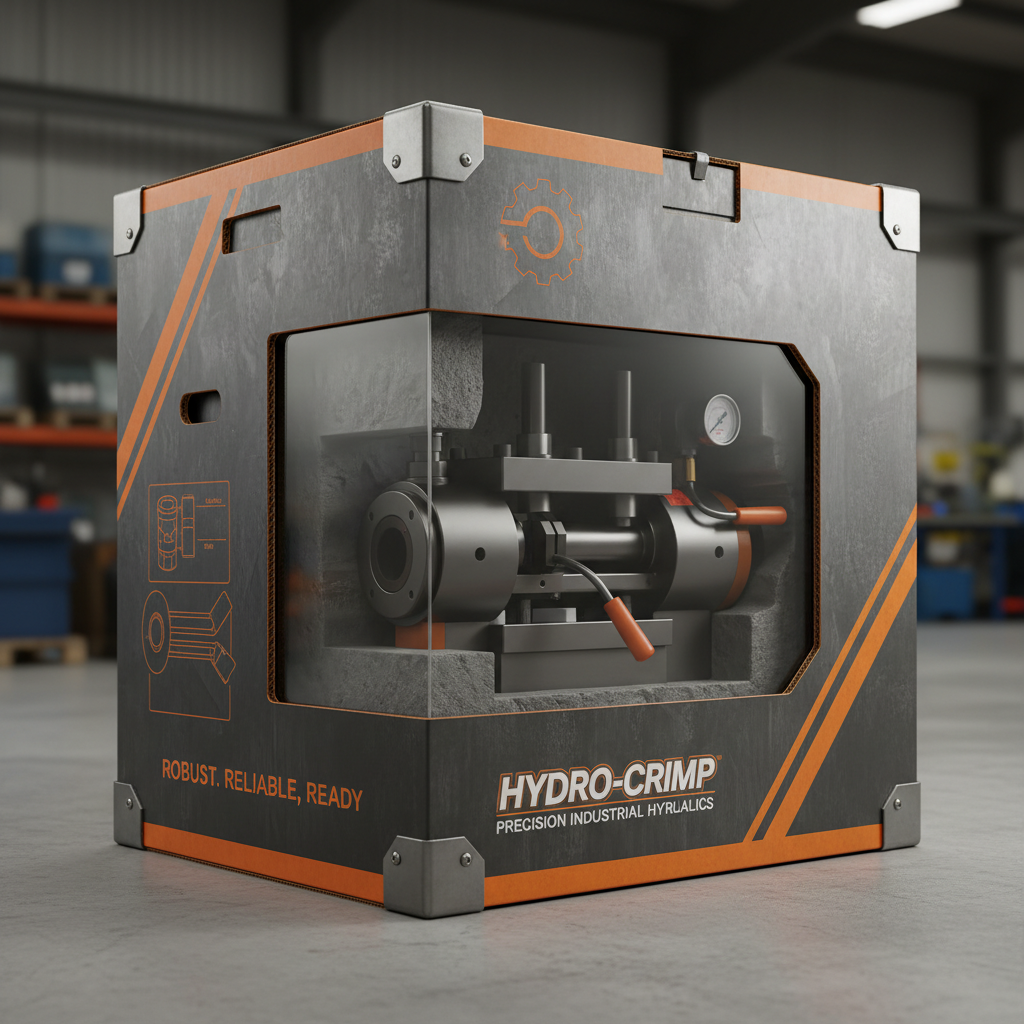
Introduction to Braided Hose Crimping Machines
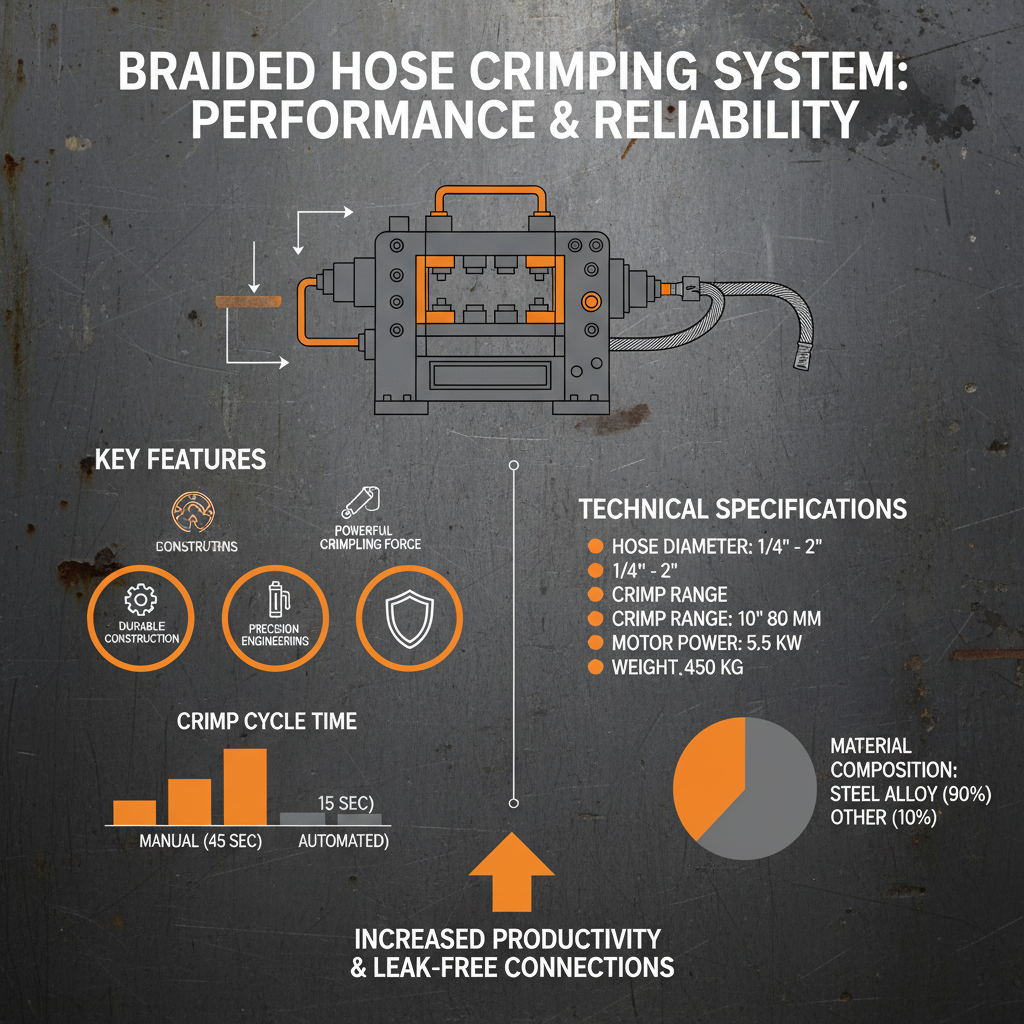
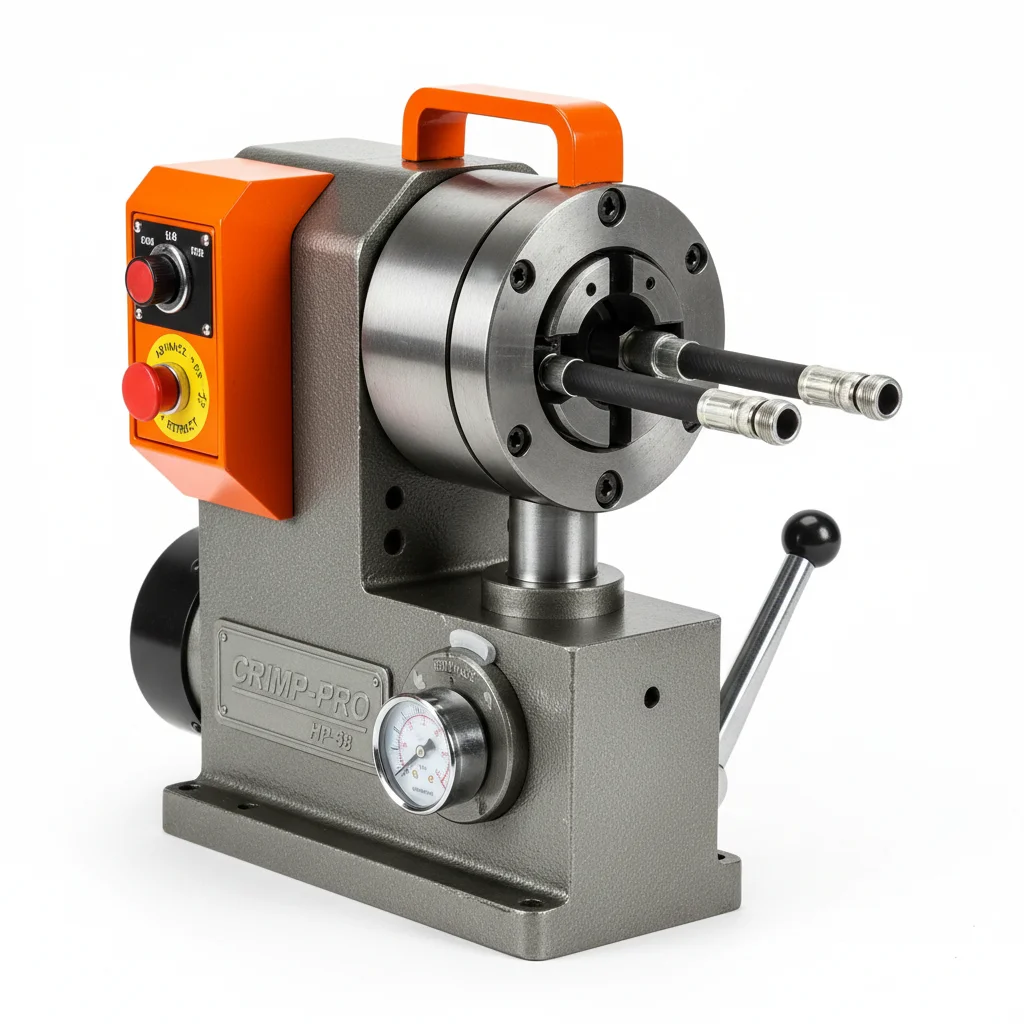
Braided hose crimping machines are specialized tools designed to securely attach fittings to braided hoses, creating a leak-proof and durable connection. This process is critical in applications where fluid or gas containment is paramount. The precision and reliability of the crimping process directly impact the overall performance and safety of the hose assembly.
These machines range from manual, hand-operated models suitable for small-scale operations to fully automated, computer-controlled systems used in high-volume production environments. Selecting the right machine depends on factors such as hose size, material type, production volume, and desired level of precision. The proper use of a braided hose crimping machine is essential for maintaining safety standards and preventing costly failures.
Defining Braided Hose Crimping Technology
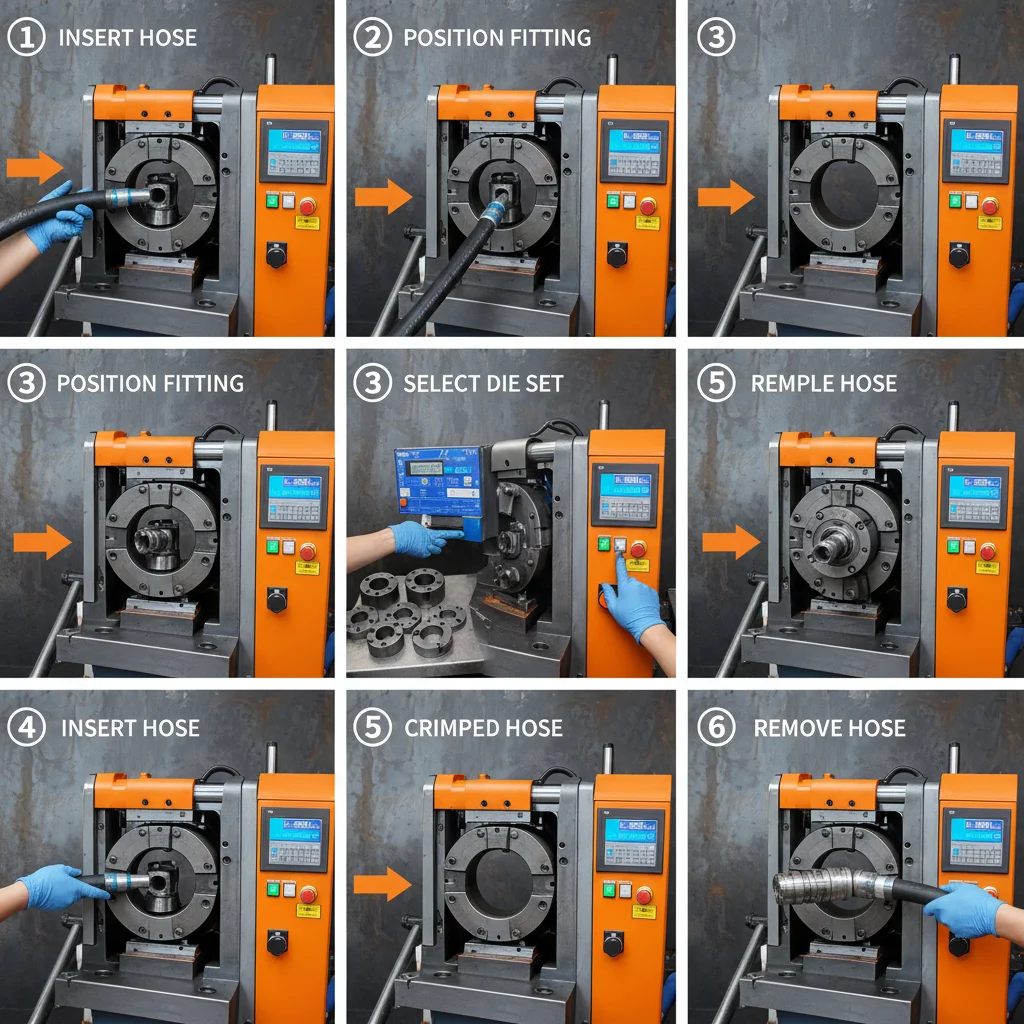
Braided hose crimping technology involves the process of permanently deforming a metal ferrule around a hose and fitting to create a tight, secure connection. This deformation, known as crimping, creates an interference fit between the ferrule, hose, and fitting, preventing fluid leakage and ensuring structural integrity. The process relies on precise control of crimping pressure, ferrule geometry, and hose material properties.
Modern braided hose crimping machines employ sophisticated control systems to monitor and adjust crimping parameters in real-time. These systems often include sensors to measure crimp diameter, pressure, and force, ensuring consistent and repeatable results. The technology is vital in maintaining the reliability of hydraulic systems, automotive brake lines, and numerous other critical applications.
The evolution of this technology has been driven by the need for improved safety, increased efficiency, and the ability to handle increasingly complex hose assemblies. Advanced features, such as automatic die changes and self-calibration, are becoming increasingly common, streamlining the crimping process and reducing the risk of human error.
Core Components and Factors Affecting Performance
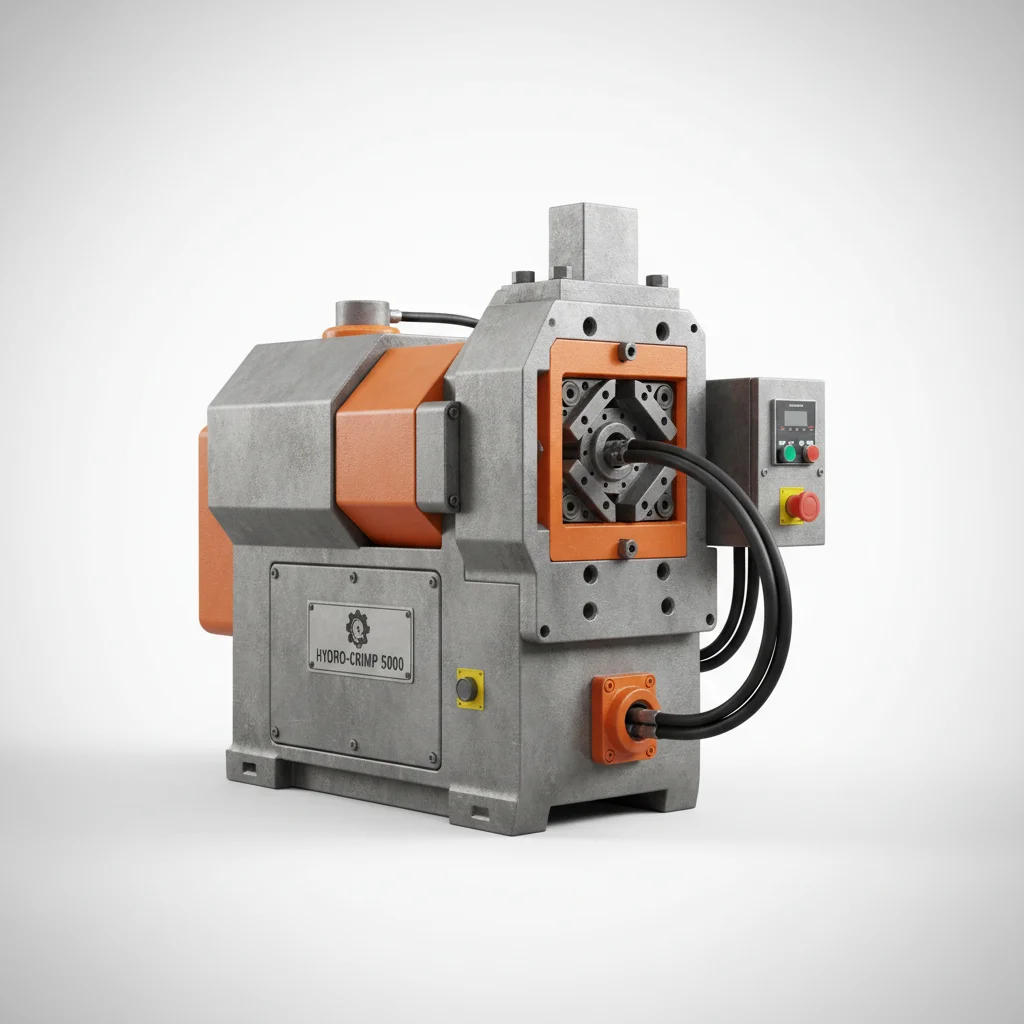
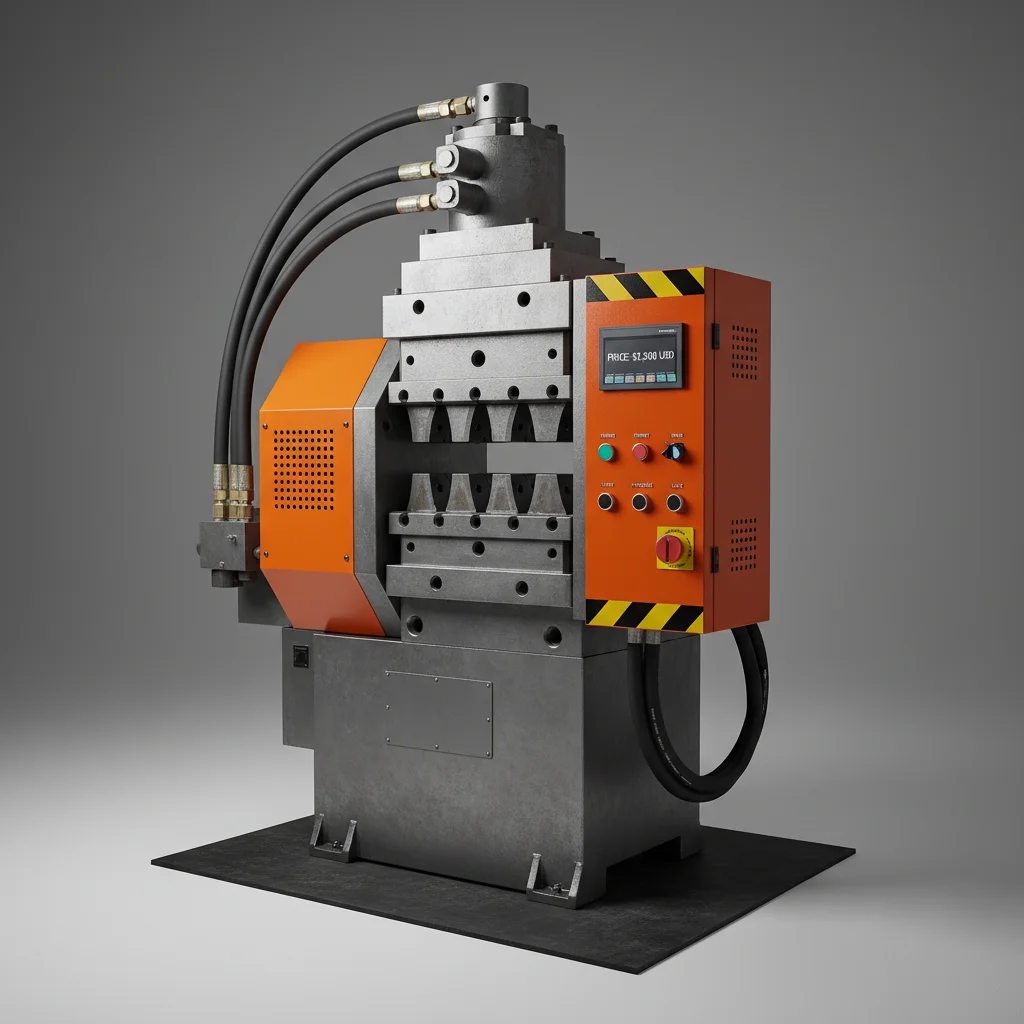
Several core components contribute to the performance of a braided hose crimping machine. These include the crimping dies, which determine the shape and size of the crimp; the hydraulic system, which provides the necessary force; and the control system, which regulates the crimping process. The quality and precision of each component are crucial for achieving reliable and consistent results.
Beyond the machine itself, several factors can significantly impact crimping performance. These include hose material (e.g., rubber, thermoplastic), braid type (e.g., wire braid, fiber braid), fitting material (e.g., steel, brass), and the crimping procedure itself. Understanding these factors and their interdependencies is vital for optimizing the crimping process and ensuring the longevity of the hose assembly.
Proper die selection is also paramount. Using the incorrect die size or shape can lead to under-crimping (resulting in leaks) or over-crimping (damaging the hose). Regular die inspection and maintenance are essential for maintaining accuracy and preventing premature wear. The ongoing proper maintenance of any braided hose crimping machine is essential.
Global Applications and Industry Relevance
The applications of braided hose crimping machines are remarkably diverse, spanning numerous industries worldwide. In the automotive sector, they are essential for manufacturing brake lines, fuel hoses, and coolant hoses. In the agricultural industry, they are used to create hydraulic hoses for tractors, combines, and other heavy machinery.
The oil and gas industry relies heavily on crimped hose assemblies for transferring high-pressure fluids and gases. Hydraulic systems in construction equipment, manufacturing plants, and aerospace applications also depend on the reliable performance of crimped hoses. In remote industrial zones, where maintenance and repair facilities may be limited, the robustness of crimped hose assemblies is particularly critical.
Braided Hose Crimping Machine Application Sectors
Advantages and Long-Term Value Proposition
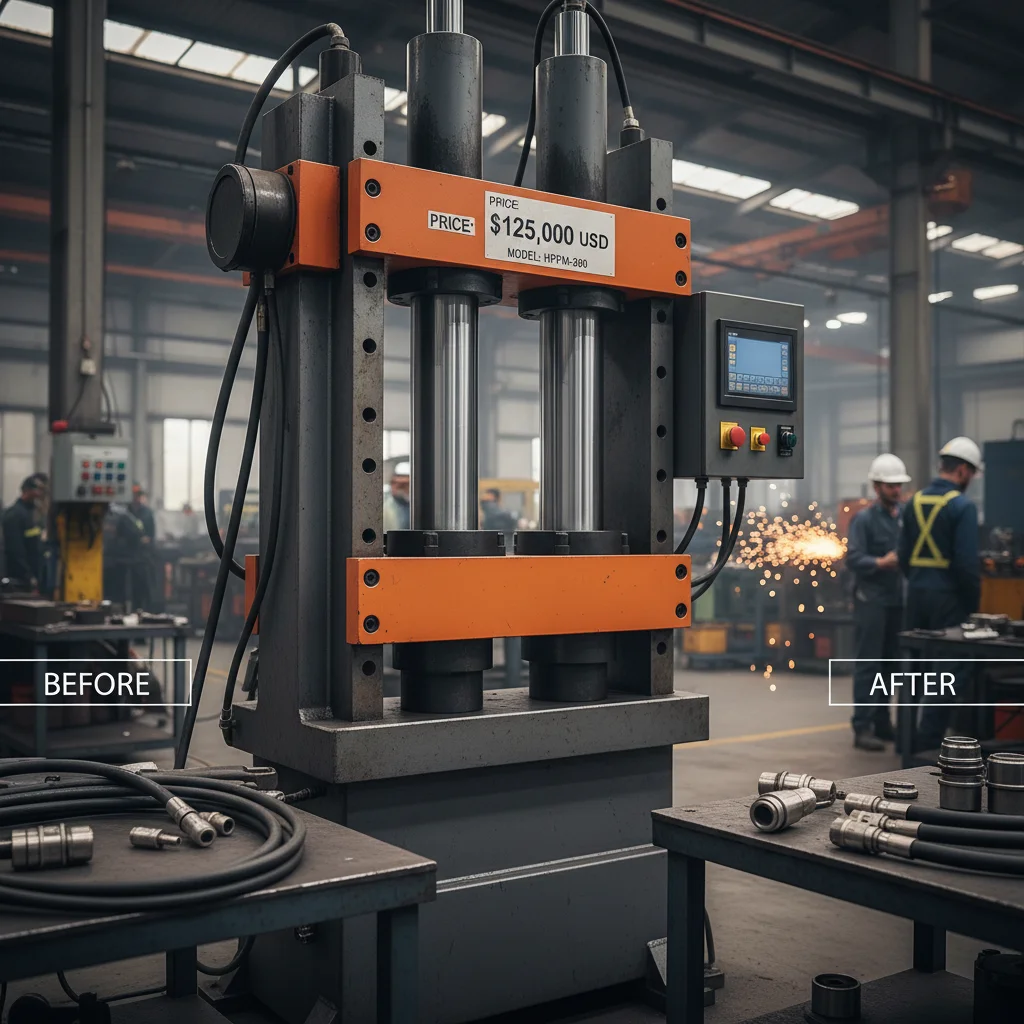
Investing in a high-quality braided hose crimping machine offers numerous advantages. These include reduced labor costs through automation, increased production throughput, and improved product quality. The consistency and reliability of crimped hose assemblies minimize the risk of failures and downtime, leading to significant cost savings over the long term.
Furthermore, a well-maintained crimping machine contributes to enhanced safety by ensuring secure and leak-proof connections. This is particularly crucial in applications where fluid leaks could pose a hazard to personnel or the environment. The long-term value proposition extends beyond financial benefits, encompassing improved operational efficiency, enhanced safety, and increased customer satisfaction.
Future Trends in Braided Hose Crimping
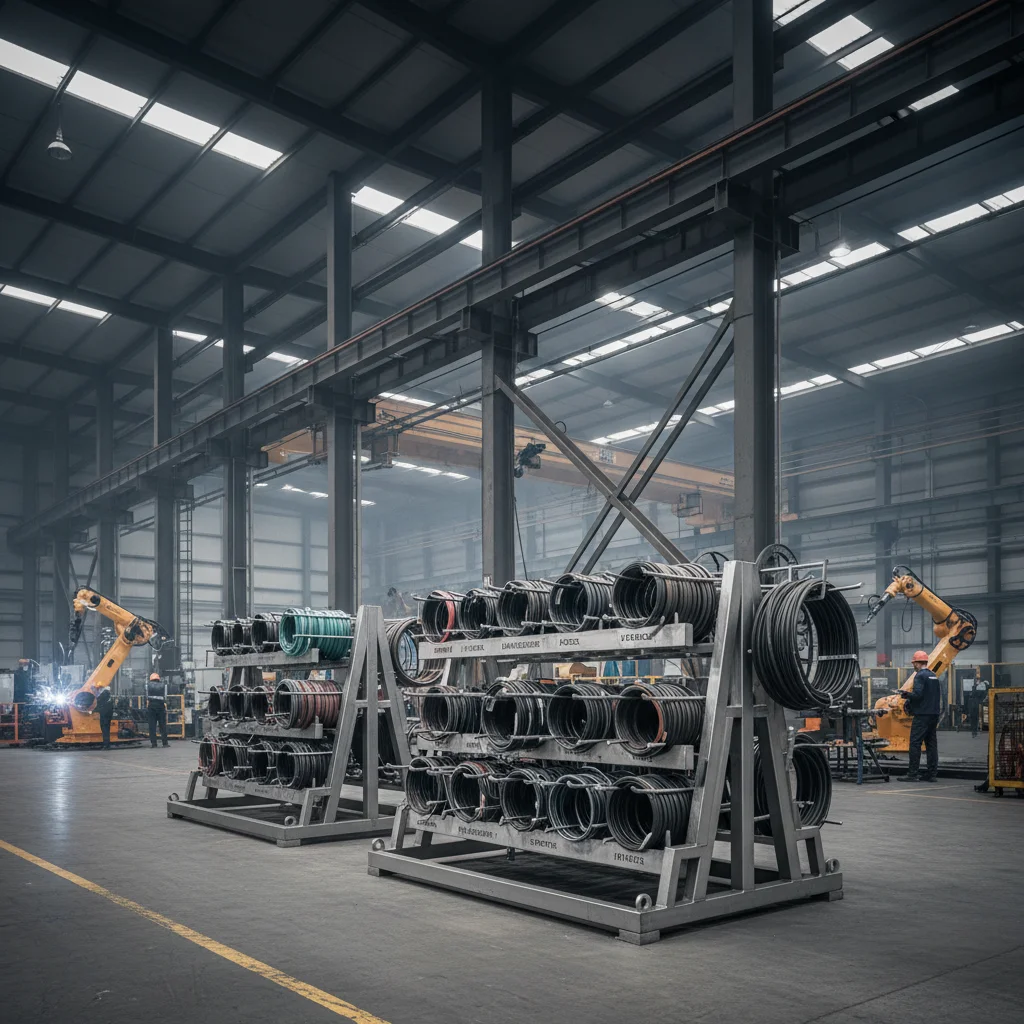
The future of braided hose crimping technology is being shaped by several key trends. Automation and robotics are playing an increasingly prominent role, with fully automated crimping cells capable of handling a wide range of hose types and sizes. The integration of Industry 4.0 technologies, such as IoT sensors and data analytics, is enabling real-time monitoring of crimping parameters and predictive maintenance.
Sustainability is also becoming a major driver of innovation, with manufacturers developing machines that consume less energy and produce less waste. The development of new hose materials and braid constructions will necessitate crimping machines capable of adapting to these advancements.
Challenges and Innovative Solutions
Despite advancements, several challenges remain in the field of braided hose crimping. Maintaining consistent crimp quality across different hose materials and sizes can be difficult. Ensuring operator safety during the crimping process is also a critical concern.
Innovative solutions, such as advanced die designs, closed-loop control systems, and automated safety features, are being developed to address these challenges. The use of machine learning algorithms to optimize crimping parameters based on real-time data is also showing promising results. The ongoing evolution of braided hose crimping machine designs will continue to tackle these complex issues.
Regular training and certification programs for operators are essential for ensuring safe and effective operation of crimping machines.
Summary of Key Challenges and Potential Solutions for Braided Hose Crimping Machines
| Challenge |
Impact on Performance |
Potential Solution |
Implementation Cost (1-10) |
| Inconsistent Crimp Quality |
Leakage, Hose Failure |
Advanced Die Design & Closed-Loop Control |
7 |
| Operator Error |
Incorrect Settings, Damage to Hose |
Automated Systems & Comprehensive Training |
6 |
| Limited Material Compatibility |
Difficulty Crimping New Hose Materials |
Versatile Die Sets & Adaptable Control Systems |
8 |
| Machine Maintenance |
Downtime, Reduced Accuracy |
Predictive Maintenance & Remote Diagnostics |
5 |
| Safety Concerns |
Potential for Injury |
Automated Safety Guards & Emergency Stop Systems |
9 |
| Process Monitoring |
Lack of Real-Time Quality Control |
Sensor Integration & Data Analytics |
7 |
FAQS
Manual crimping machines require an operator to physically apply the crimping force, offering lower initial cost but also lower throughput and higher potential for human error. Automatic machines utilize hydraulic or electric systems to perform the crimping process consistently and efficiently, making them ideal for high-volume production. They require a larger upfront investment but offer significant long-term savings in labor and reduced scrap rates.
Crimping dies should be inspected regularly for wear, damage, or corrosion. The frequency of inspection depends on usage and the types of materials being crimped. As a general guideline, dies should be inspected at least monthly with frequent use and replaced when any signs of degradation are observed. Damaged or worn dies can lead to inconsistent crimps and potential hose failures.
Most braided hose crimping machines can handle a wide range of hose materials, including rubber, thermoplastic, and PTFE. However, it’s essential to select the correct dies and crimping parameters for each specific material. Always consult the hose manufacturer’s specifications for recommended crimping procedures. Using incorrect settings can damage the hose and compromise its integrity.
Safety is paramount when operating a crimping machine. Always wear appropriate personal protective equipment (PPE), including safety glasses and gloves. Ensure the machine is properly grounded and that all safety guards are in place. Never reach into the crimping area while the machine is in operation. Regular operator training is essential to ensure safe and efficient operation.
Wire braid hoses generally require higher crimping forces compared to fiber braid hoses due to the greater stiffness of the wire. Selecting the appropriate dies and crimping parameters is crucial to ensure a secure and leak-proof connection for both types of braid. Improper crimping can lead to braid distortion or hose failure.
Regular maintenance is vital for ensuring long-term reliability. This includes checking and replenishing hydraulic fluid, lubricating moving parts, inspecting hoses and fittings for leaks, and cleaning the machine regularly. Periodic calibration of the control system is also recommended to maintain accuracy and consistency. Following the manufacturer's maintenance schedule is key.
Conclusion
In conclusion, braided hose crimping machines are indispensable tools across a wide spectrum of industries, ensuring the safe and reliable transfer of fluids and gases. From automotive and agriculture to oil and gas, these machines play a critical role in maintaining operational efficiency and preventing costly failures. Understanding the core components, influencing factors, and emerging trends in this technology is paramount for professionals seeking to optimize their processes and ensure product quality.
Looking ahead, the future of braided hose crimping is poised for continued innovation, driven by automation, data analytics, and a growing emphasis on sustainability. Investing in high-quality equipment, providing thorough operator training, and embracing advancements in technology will be crucial for staying ahead of the curve and maximizing the long-term value of this essential technology. For further information and to explore our range of braided hose crimping machines, visit our website today.