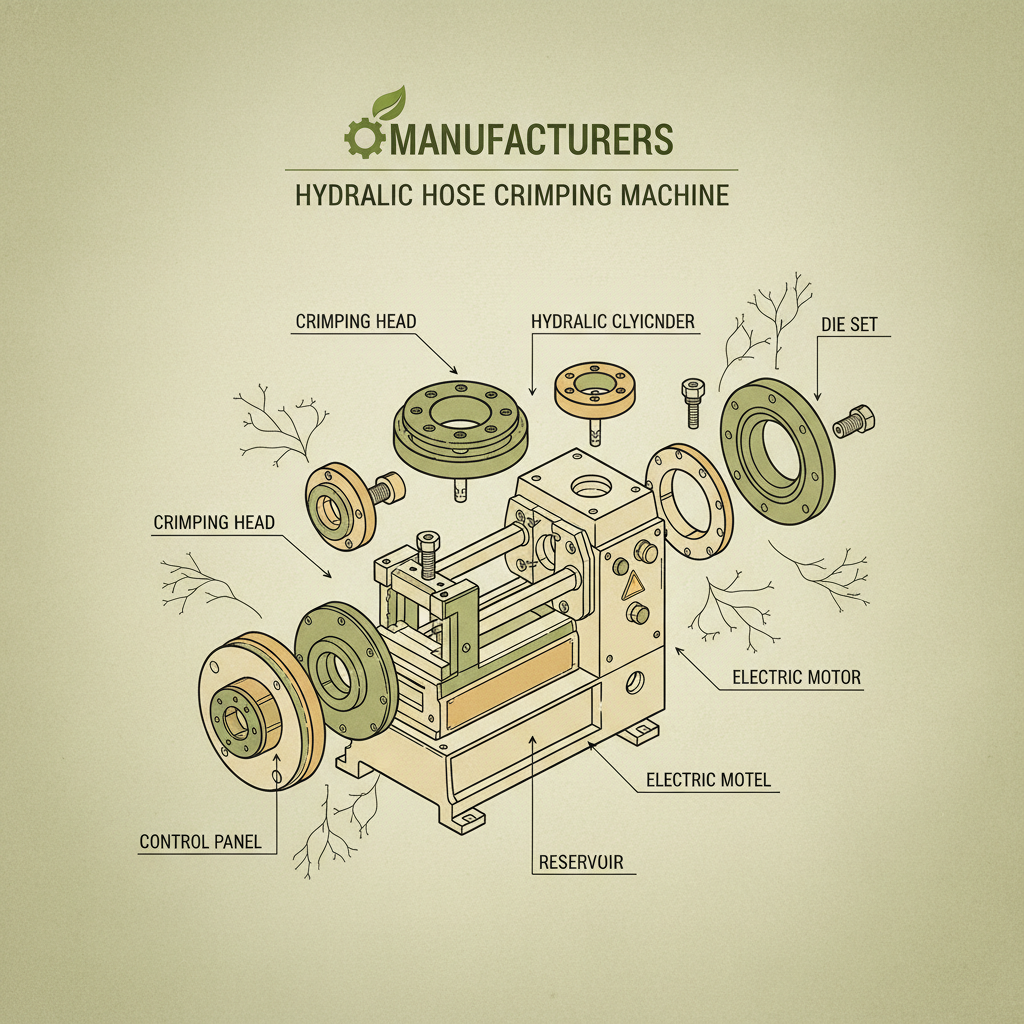
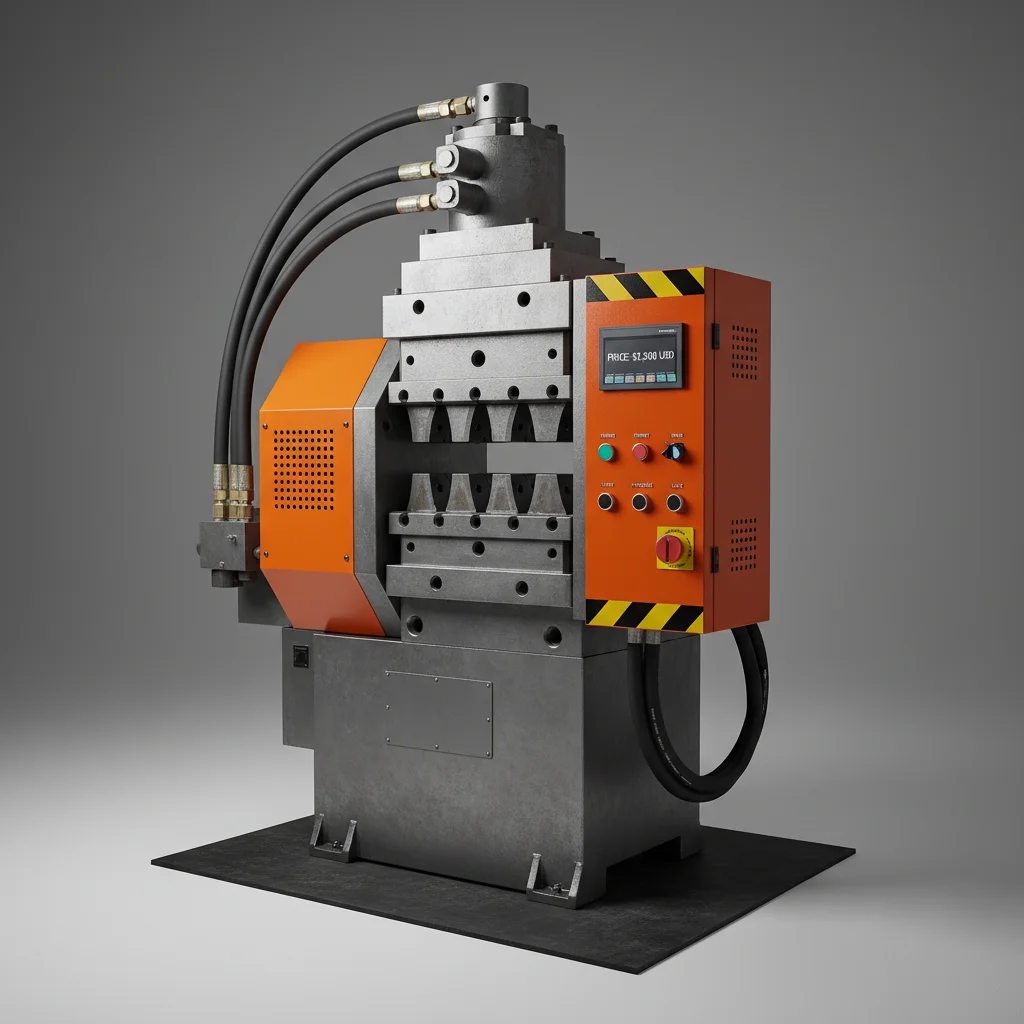
Look, I’ve been running around construction sites for…well, too long to count. Seen a lot of things come and go. Lately, everyone’s talking about automation, right? More and more hydraulic hose crimping machine manufacturers are trying to pack in sensors, remote controls, even AI-powered diagnostics. Sounds fancy, but honestly, a lot of it feels like overengineering. What people really want is something that works, reliably, day in and day out. And that, believe it or not, is surprisingly hard to deliver.
We’ve all heard the promises – increased efficiency, reduced downtime, all that jazz. But I've seen these “smart” machines break down in ways the engineers never predicted, leaving guys scrambling for a wrench and cursing under their breath. It's not about the tech itself; it's about how it holds up to grease, dust, and a good, solid bump. And frankly, a lot of the manufacturers are still figuring that out. They design these things in clean rooms, not on a muddy job site.
The biggest issue I see? Everyone chasing the latest materials without thinking about practicality. You get these lightweight alloys that look sleek in the catalog, but bend like butter when you put any real pressure on them. Give me good old-fashioned hardened steel any day. It smells like the factory, feels solid in your hands, and you know it'll withstand the abuse. You can feel the quality, you know? It’s not just about the specs on a datasheet.
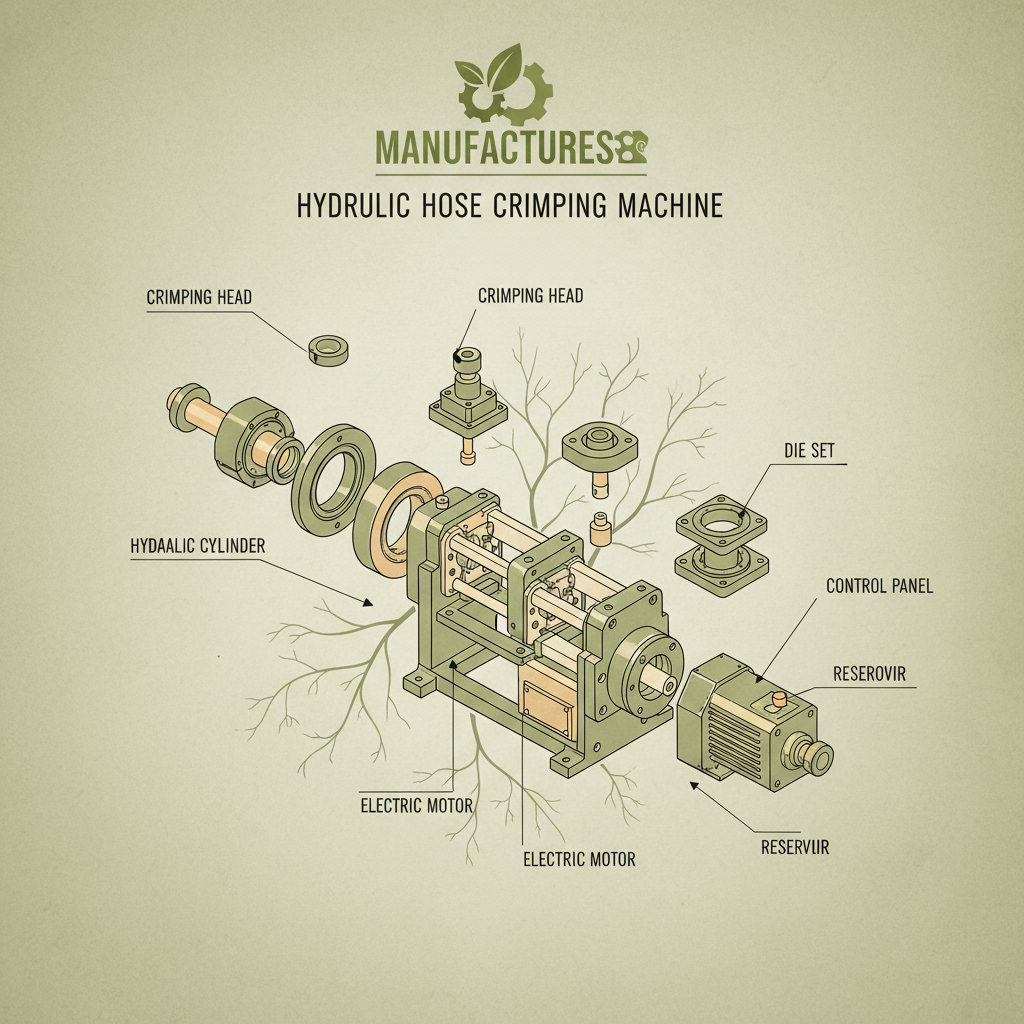
Industry Trends & Design Pitfalls
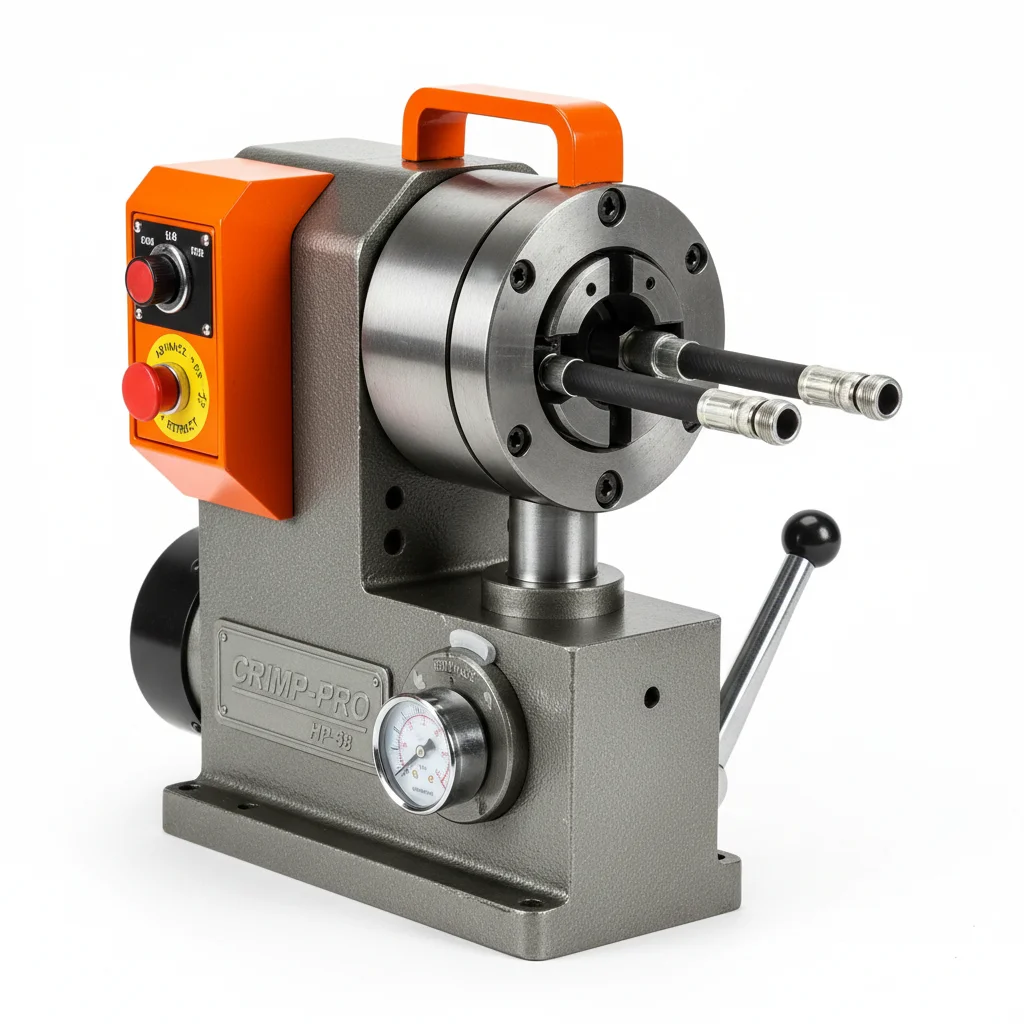
To be honest, the biggest trend I'm seeing with hydraulic hose crimping machine manufacturers is a push towards smaller, more portable units. Guys want to be able to take the machine to the job, not the other way around. But that's a tricky balance. You shrink it down too much, and you sacrifice power and stability. I encountered this at a pipeline job in West Texas last time. They were trying to use a compact crimper on a high-pressure hose, and it just couldn’t handle it. Wasted a whole day, and a lot of money.
And a design pitfall that drives me crazy? Putting all the controls on a touchscreen. Seriously? What happens when a guy’s got greasy gloves on? Or it’s raining? Give me good old physical buttons and knobs any day. Reliable, tactile, you don’t need to see them to operate them. Strangely, the simpler, the better.
Material Matters: The Feel of Quality
Now, about materials. Like I said, I'm a steel guy. But it's not just any steel. You need the right alloy, properly heat-treated. You want something that's tough but also a little bit forgiving. I’ve worked with some manufacturers using high-carbon steel that was too brittle. One wrong move and it cracks. Then you’re looking at downtime and repairs. The smell of good steel is distinct, kinda metallic but with an undertone of oil. And when you handle it, it feels...substantial. It’s a feel thing, you get it.
Then you have the seals. Those are critical. I’ve seen a lot of machines using cheap rubber seals that degrade quickly, especially with certain hydraulic fluids. You need Viton or PTFE – they can handle the heat, the pressure, and the chemicals. And they don’t smell like burning rubber when things get hot.
And don’t even get me started on plastic housings. They look good for about five minutes, then they crack and fade in the sun. You want a robust, powder-coated steel housing that can take a beating. It might not be as fancy, but it’ll last.
Real-World Testing: Beyond the Lab
Look, lab tests are fine, but they don’t tell the whole story. A machine might perform perfectly in a controlled environment, but fall apart the moment it hits a real job site. I prefer to see manufacturers doing field testing – putting their machines through the wringer with actual users, in actual conditions.
I once saw a manufacturer testing a new crimper at a shipyard. They left it sitting out in the salt spray for a week, then ran it through a full cycle of crimping operations. That’s the kind of testing that matters. It reveals weaknesses you wouldn't find in a lab.
Another thing: hydraulic fluid contamination. Dust, dirt, water... it all gets into the system eventually. You need to test how the machine handles contaminated fluid. Does it lose pressure? Does it damage the seals? Does it just stop working? That’s where the rubber meets the road.
How Users Actually Use Them
This is where things get interesting. Manufacturers think users will carefully follow the operating manual, use the right dies, and maintain the machine religiously. Yeah, right. In reality, most guys are just trying to get the job done as quickly as possible. They’ll often push the machine beyond its limits, use the wrong dies, and neglect maintenance.
I’ve seen guys using a hammer to adjust the dies, bypassing the safety interlocks, and generally treating the machine like it’s disposable. And you know what? Most of them get away with it. But eventually, something breaks. That's why you need a machine that's overbuilt, with a generous safety margin.
Hydraulic Hose Crimping Machine Manufacturers Performance Attributes
Pros & Cons: The Honest Truth
The advantages are obvious: reliable crimping, reduced labor costs, and increased safety. A good machine will consistently produce high-quality crimps, which is crucial for preventing leaks and failures. But let's be real, they're not perfect.
The downsides? They can be expensive, require regular maintenance, and can be a pain to transport. And some of the newer, "smart" machines are just too complicated. Anyway, I think the biggest con is that they can create a false sense of security. Guys start to rely on the machine too much and stop paying attention to the details.
Customization & Specific Cases
Customization is key. I had a client in Shenzhen last month, a small boss who made smart home devices. He insisted on changing the interface to , even though it wasn’t necessary. He wanted it to match his other products. It caused a whole week of headaches getting the power supply right and ensuring compatibility, but he was adamant. Anyway, he got what he wanted, and it looked good, but it added a significant cost.
Another time, a mining company needed a machine that could handle extremely high-pressure hoses. We had to modify the pump and the dies to increase the crimping force. It wasn't a standard modification, but it was necessary to meet their specific requirements. The manufacturers that are willing to work with you on these kinds of customizations are the ones worth doing business with.
Practical Performance Analysis
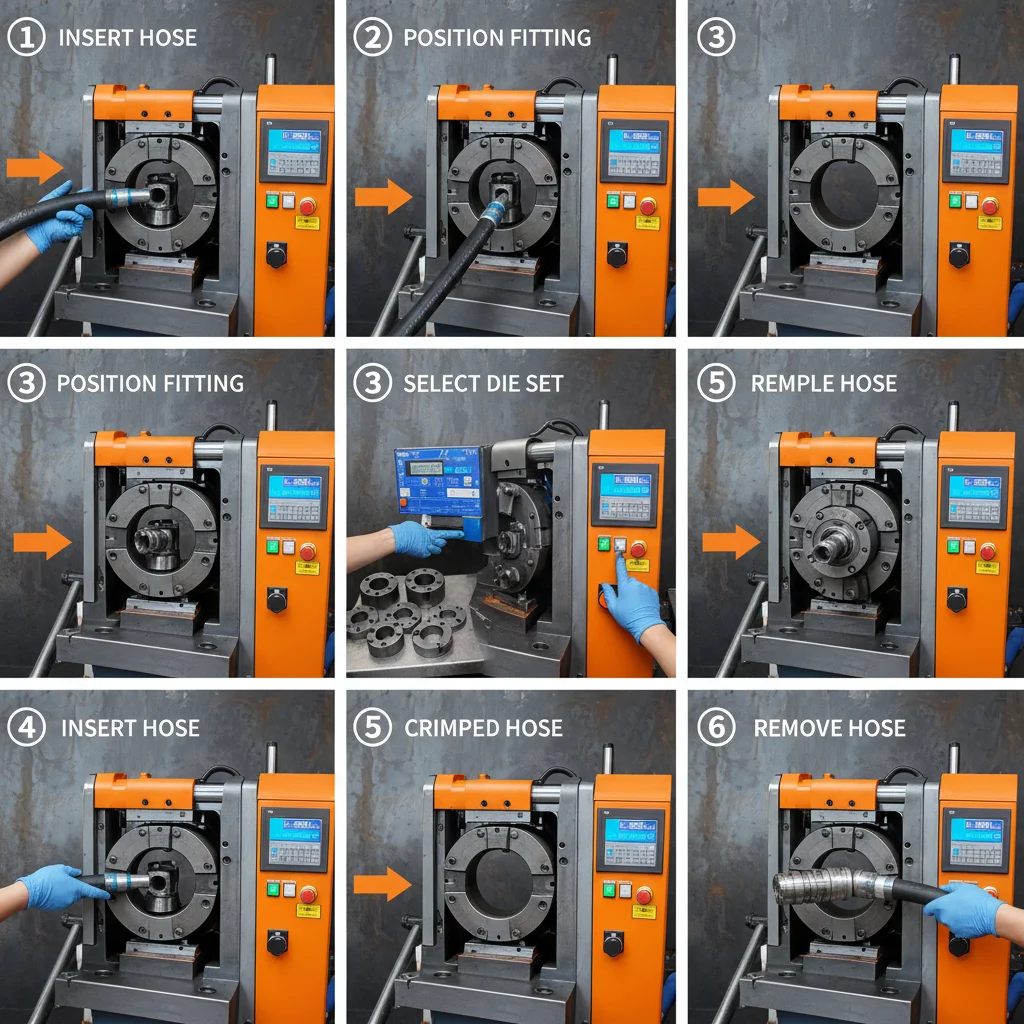
Ultimately, you’ve gotta look at the practical performance. How easy is it to operate? How long does it take to change the dies? How reliable is the hydraulic system? These are the questions that matter.
I always tell guys to check the crimping force. Make sure it's adequate for the hose size and pressure rating. And check the die alignment. If the dies aren't aligned properly, you'll get a weak crimp.
And don’t forget about maintenance. Regularly check the hydraulic fluid level, inspect the hoses for leaks, and lubricate the moving parts. A little bit of preventative maintenance can save you a lot of headaches down the road.
Core Performance Metrics for Hydraulic Hose Crimping Machine Manufacturers
| Category |
Metric |
Rating (1-10) |
Notes |
| Crimping Accuracy |
Crimp Diameter Consistency |
9 |
Minimal diameter variation across multiple crimps. |
| Operational Efficiency |
Cycle Time (seconds/crimp) |
7 |
Faster cycle times reduce overall project completion time. |
| Durability |
Mean Time Between Failures (MTBF) |
8 |
High MTBF indicates a robust and reliable machine. |
| Usability |
Ease of Die Changes |
6 |
Some machines require specialized tools for die changes. |
| Maintenance |
Fluid Filter Replacement Frequency |
7 |
Frequent filter changes indicate a less efficient filtration system. |
| Safety |
Emergency Stop Response Time |
9 |
Fast response time is crucial for preventing accidents. |
FAQS
Honestly? They focus too much on price. A cheap machine will save you money upfront, but it'll cost you more in the long run with repairs, downtime, and poor-quality crimps. It’s about getting something that’s built to last, even if it costs a bit more initially. You get what you pay for, plain and simple. And don't fall for the marketing hype – look at the specifications and talk to other users.
Die sets are critical. They’re the heart of the operation. You need a die set for every hose size and type you’ll be crimping. Don’t skimp on them. And make sure they're compatible with your machine. As for how many you need, it depends on your workload. If you’re only crimping a few hoses a day, a basic set will do. But if you're doing a lot of work, you’ll want a more comprehensive set to avoid constantly changing dies.
Regular maintenance is key. Check the hydraulic fluid level regularly, inspect the hoses for leaks, and lubricate the moving parts. Change the hydraulic fluid and filters according to the manufacturer's recommendations. And keep the machine clean. Dirt and grime can cause all sorts of problems. It's not rocket science, just common sense.
You want a machine with a quick-stop emergency button, safety interlocks on the guard, and a clear warning label. And make sure the operator is properly trained on how to use the machine safely. Don't take shortcuts when it comes to safety. A hydraulic hose crimping machine can be dangerous if it's not used correctly.
Look for machines that meet industry standards like ISO. That shows the manufacturer has taken steps to ensure the machine is safe and reliable. It’s not a guarantee, but it's a good starting point. And do your research – read reviews and talk to other users.
Some machines are more versatile than others. Check the manufacturer's specifications to see which types of hydraulic fluid are compatible. Using the wrong fluid can damage the seals and other components. And always dispose of used hydraulic fluid properly – it's an environmental hazard.
Conclusion
So, what's the takeaway? Hydraulic hose crimping machine manufacturers are getting more sophisticated, but the basics still matter. Reliability, durability, and ease of use are key. Don't get caught up in the hype – focus on getting a machine that can do the job, day in and day out, without giving you headaches.
Ultimately, whether this thing works or not, the worker will know the moment he tightens the screw. And if it feels right, solid, and secure, you know you've got a good machine. Visit our website at www.willexcrimper.com to learn more about our range of hydraulic hose crimping machines.