hose assembly machines aren’t just about crimping hoses; they're about reliability, efficiency, and frankly, getting the job done right the first time. I've spent years on construction sites, in hydraulic repair shops, and alongside engineers, and I can tell you, a failed hose connection can shut down an entire operation. It’s not just downtime; it’s safety concerns, costly repairs, and a whole lot of frustration. That's where understanding and investing in quality hose assembly machines becomes critical. From the smallest agricultural equipment to massive industrial machinery, these machines are the unsung heroes keeping things moving.
The global demand for hydraulic systems is steadily increasing, driven by growth in industries like construction, agriculture, manufacturing, and energy. According to a report by Market Research Future, the global hydraulic hose market is projected to reach USD 8.19 billion by 2030, exhibiting a CAGR of 4.2% during the forecast period. This growth directly translates to increased demand for effective hose assembly solutions. We’re not just talking about replacing old machines; we're talking about meeting the demands of new technologies, stricter safety regulations, and a need for faster turnaround times.
Essentially, a hose assembly machine takes the process of attaching fittings to hoses – traditionally a manual, time-consuming, and often inconsistent task – and turns it into a precise, repeatable, and highly efficient operation. It’s about taking the human element out of the equation where it introduces errors, and in where it adds value through oversight and maintenance. In a world where uptime is money, and safety is paramount, these machines are becoming indispensable.
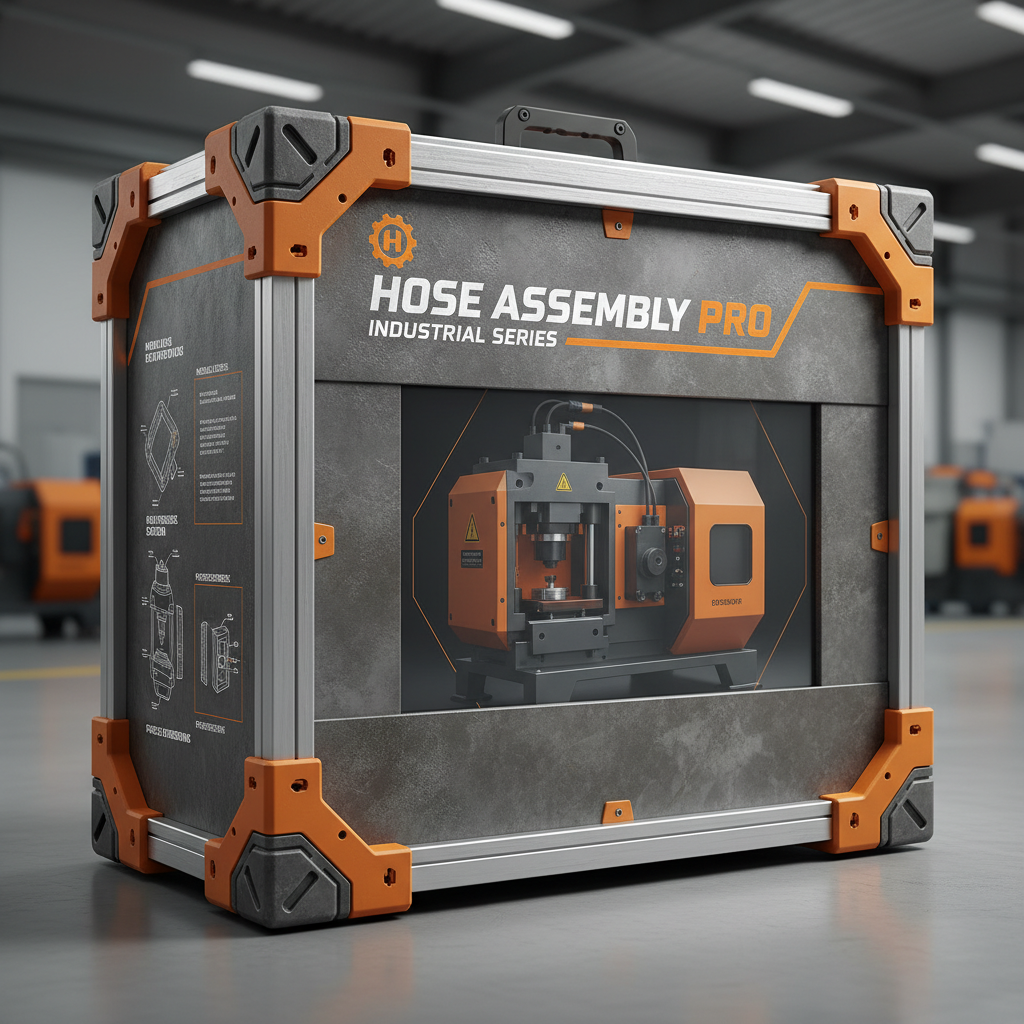
The Importance of Hose Assembly Machines
Let's be clear: a hose assembly machine isn't just a piece of equipment; it’s an investment in your operation’s overall health. I’ve seen firsthand how a reliable machine can drastically reduce downtime and improve the consistency of hose assemblies. You’re talking about eliminating leaks, preventing catastrophic failures, and increasing the lifespan of your hydraulic systems. The cost savings alone can justify the investment, and that doesn't even factor in the safety benefits.
Beyond the direct financial gains, having the capability to create custom hose assemblies in-house provides a level of control and responsiveness that you simply can’t get when outsourcing. Need a specific length, angle, or fitting? No problem. You can produce it on demand, adapting to unique job requirements without waiting for external suppliers. That flexibility is invaluable, especially on projects with tight deadlines.
Understanding Hose Assembly Machines: A Core Component of Modern Industry
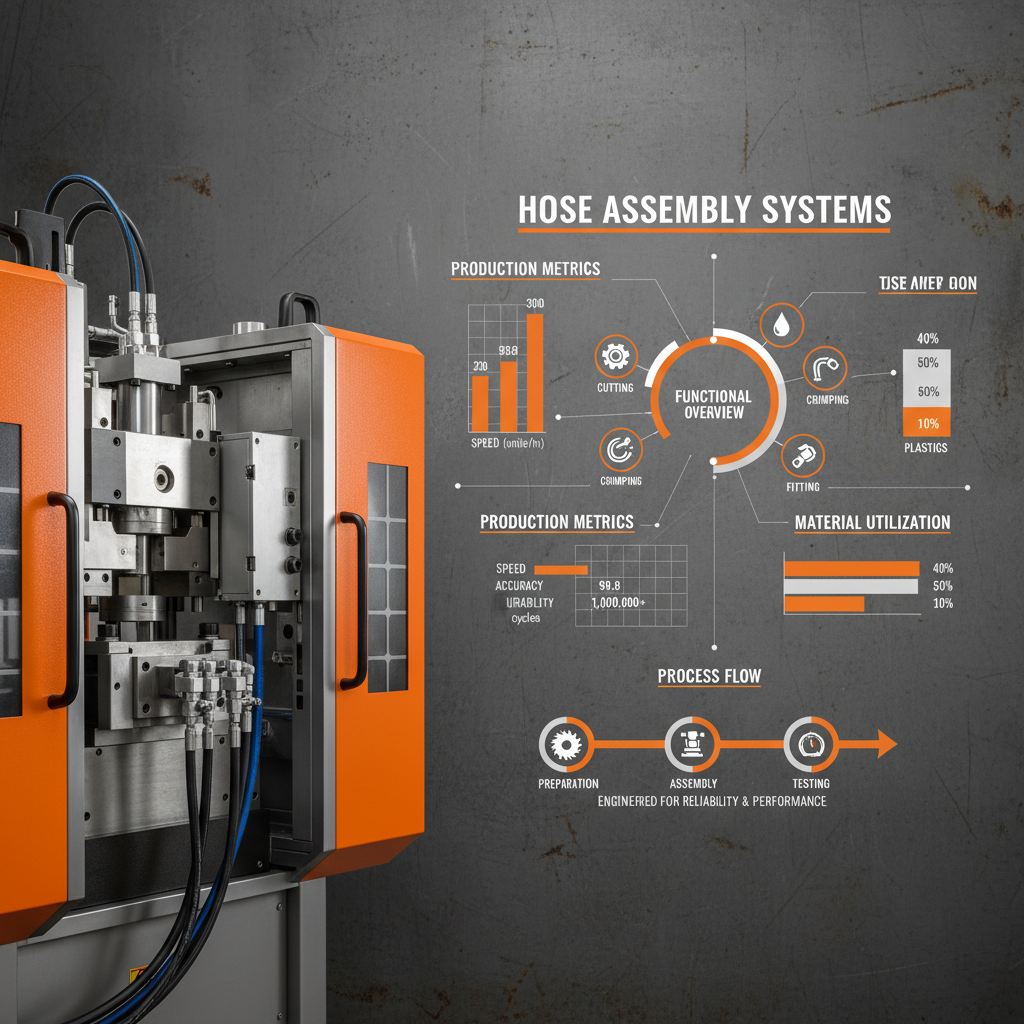
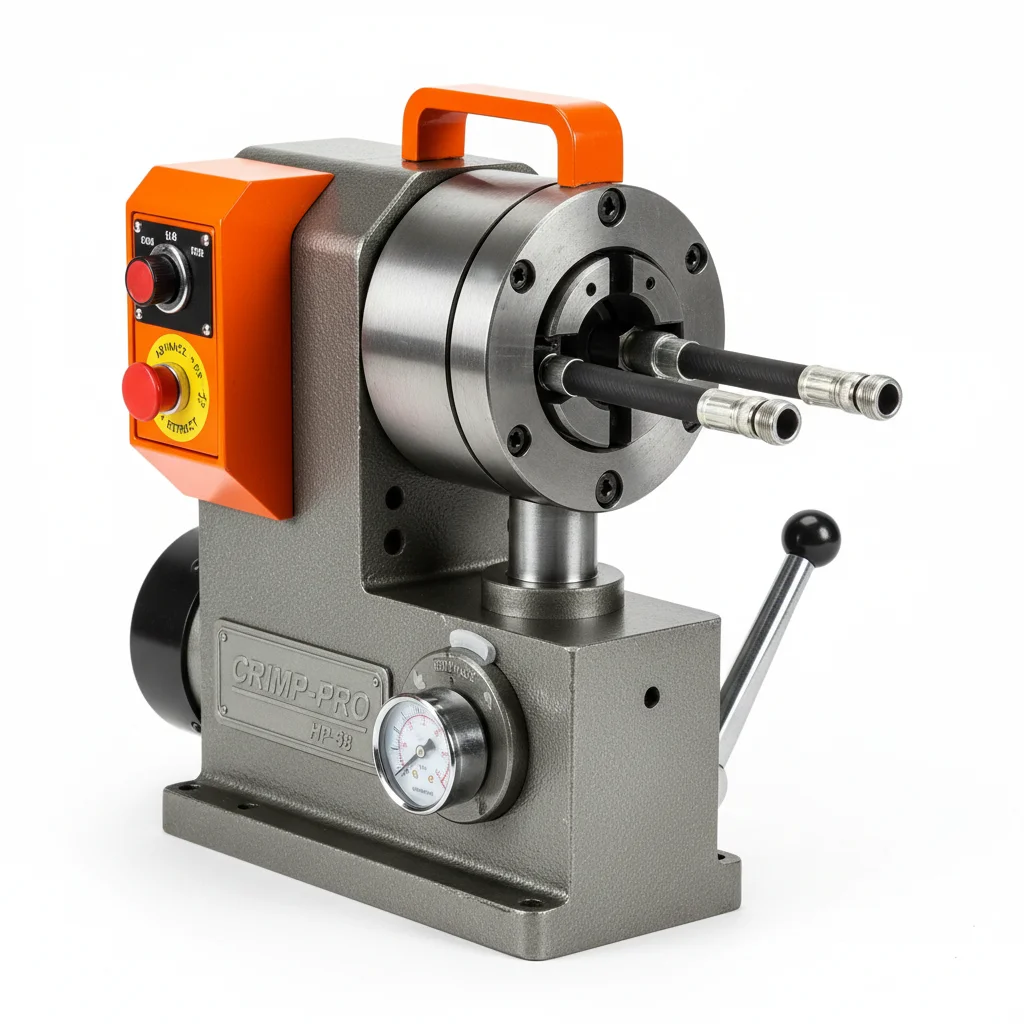
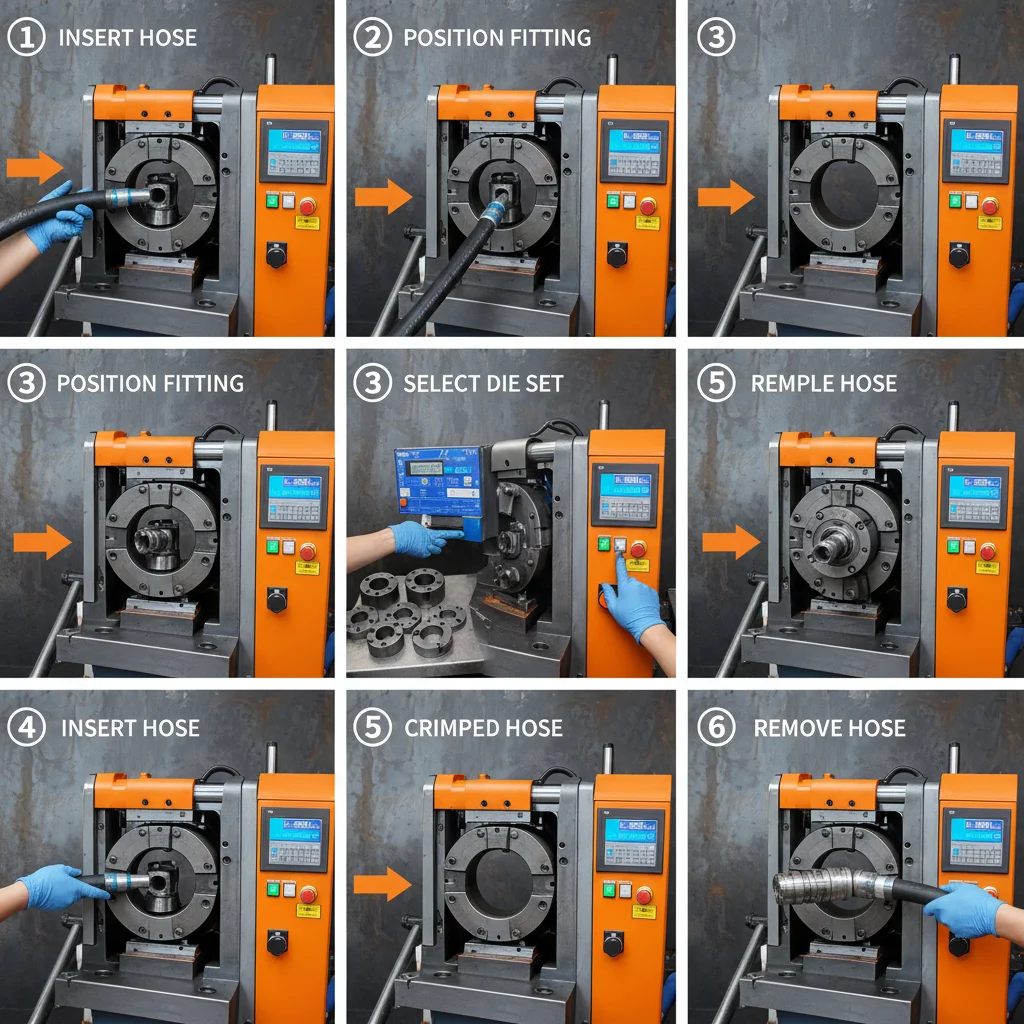
At its core, a hose assembly machine is designed to accurately and securely attach fittings to hoses using a crimping process. This isn’t just shoving a fitting on and hoping for the best. Modern machines utilize precise dies, controlled pressure, and often, automated systems to ensure a perfect seal every time. Different types of machines cater to different hose types and fitting sizes – from small, portable units for field service to large, high-volume production machines for industrial facilities. Understanding the different types and their capabilities is crucial for selecting the right machine for your needs.
The connection to modern industry is undeniable. Hydraulic systems are the backbone of countless applications – construction equipment, agricultural machinery, manufacturing processes, even aircraft landing gear. Each of these relies on robust, reliable hose assemblies. A failure in one of these assemblies can have significant consequences, ranging from lost productivity to serious safety hazards. That's why the demand for high-quality hose assembly machines continues to grow.
The humanitarian aspect comes into play as well. In disaster relief scenarios, quick and reliable hose repairs are vital for restoring essential services like water supply and emergency power. Mobile hose assembly units can be deployed to affected areas, providing on-site repair capabilities and minimizing delays in aid delivery. hose assembly machines are literally lifelines in these situations.
Key Factors Influencing Hose Assembly Machine Performance
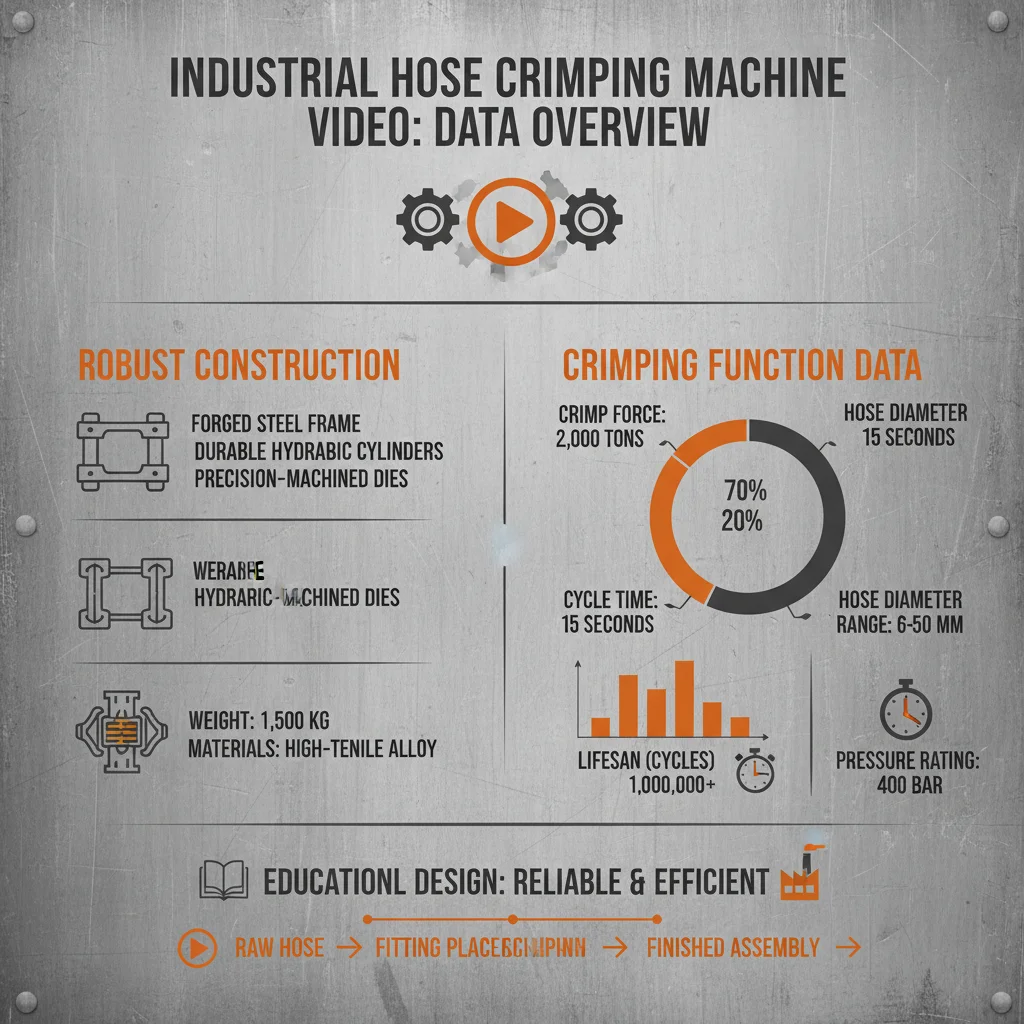
Durability is paramount. You’re dealing with significant forces during the crimping process, and the machine needs to withstand that stress day in and day out. Look for machines built with robust materials and quality components. Scalability is another key factor. Can the machine handle the volume of hose assemblies you need to produce, both now and in the future? Consider the size of the machine, its processing speed, and its ability to accommodate different hose and fitting types.
Cost efficiency isn't just about the initial purchase price. It’s about the total cost of ownership – including maintenance, repair, and operating expenses. A machine that requires frequent repairs or consumes a lot of energy will ultimately cost you more in the long run. Precision is also vital. Inaccurate crimping can lead to leaks and failures. Machines with precise die alignment and controlled pressure are essential for ensuring reliable hose assemblies.
Finally, ease of use and maintenance are critical. A machine that’s difficult to operate or maintain will lead to inefficiencies and frustration. Look for machines with intuitive controls, clear instructions, and readily available spare parts. Remember, a well-maintained machine is a productive machine.
Global Applications and Use Cases of Hose Assembly Machines
The applications are incredibly diverse. In construction, these machines are used to create hose assemblies for excavators, loaders, bulldozers, and other heavy equipment. In agriculture, they’re essential for maintaining irrigation systems, tractors, and harvesting machinery. Manufacturing plants rely on them for hydraulic presses, injection molding machines, and other industrial equipment. hose assembly machines are found in almost every sector that uses hydraulic power.
Geographically, the demand is strongest in regions with thriving industrial sectors, such as North America, Europe, and Asia-Pacific. However, emerging economies in Latin America and Africa are also experiencing growing demand as their infrastructure develops. In remote industrial zones, having on-site hose assembly capabilities can eliminate costly downtime associated with waiting for replacement hoses.
In post-disaster relief operations, mobile hose assembly units provide critical support for repairing damaged infrastructure and restoring essential services. The ability to quickly manufacture custom hose assemblies can significantly accelerate recovery efforts. The military also relies heavily on these machines for maintaining and repairing equipment in the field.
Hose Assembly Machine Method Ratings
Advantages and Long-Term Value Proposition
The tangible benefits are clear: reduced downtime, lower repair costs, and increased productivity. But the long-term value goes beyond that. By ensuring the reliability of hydraulic systems, hose assembly machines contribute to safer working conditions and prevent costly accidents. They also minimize environmental risks by preventing leaks and spills.
The emotional angle is equally important. Knowing that your equipment is reliable and that your team is safe breeds confidence and trust. It fosters a culture of quality and professionalism. And from a sustainability perspective, a durable machine that requires minimal maintenance reduces waste and conserves resources.
Future Trends and Innovations in Hose Assembly Technology
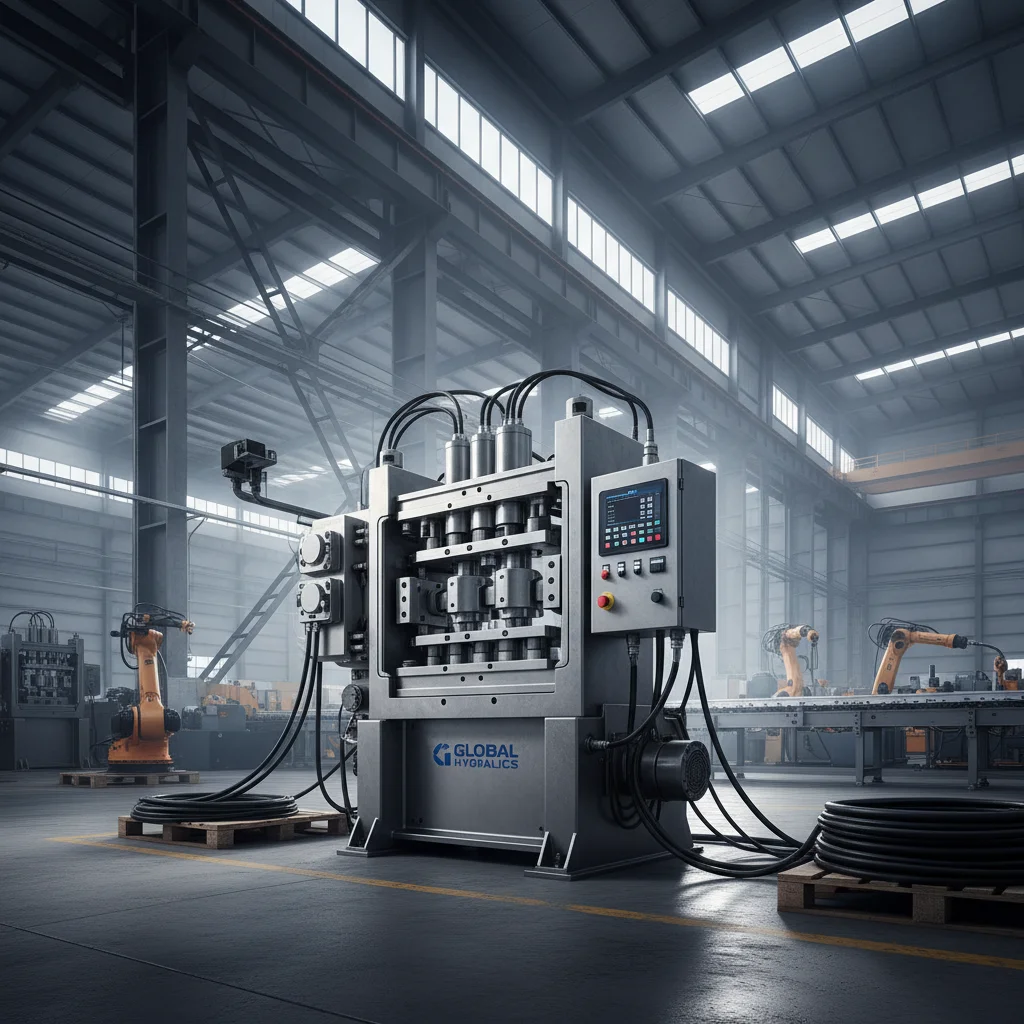
We're seeing a shift towards more automated and intelligent machines. Machines with integrated sensors and data analytics capabilities can monitor performance, predict maintenance needs, and optimize the crimping process. Digital integration is also becoming increasingly important, allowing for seamless communication with other systems and remote diagnostics.
The development of new materials – such as bio-based hydraulic fluids and more durable hose materials – is also driving innovation in hose assembly technology. We’re also seeing a growing focus on sustainability, with manufacturers designing machines that are more energy-efficient and generate less waste.
Challenges and Solutions in Hose Assembly Machine Operation
One common challenge is maintaining consistent crimp quality. Variations in hose materials, fitting tolerances, and operator technique can all lead to inconsistencies. The solution lies in using machines with precise control systems and automated calibration features. Another challenge is dealing with a wide range of hose and fitting types. Machines with quick-change tooling and flexible die sets can address this issue.
Proper training and maintenance are also crucial. Operators need to be properly trained on how to use the machine safely and effectively. Regular maintenance – including lubrication, cleaning, and inspection – is essential for preventing breakdowns and ensuring optimal performance. Investing in preventative maintenance programs can save you significant time and money in the long run.
Finally, sourcing high-quality spare parts can be a challenge. Working with a reputable supplier who offers readily available spare parts and technical support is essential. A reliable partner can ensure that your machine stays up and running when you need it most.
Summary of Common Hose Assembly Machine Operational Challenges and Solutions
| Challenge |
Impact on Operations |
Potential Solutions |
Implementation Cost (1-10) |
| Inconsistent Crimp Quality |
Hose Failures, Downtime |
Automated Calibration, Precision Dies |
7 |
| Wide Range of Hose/Fitting Types |
Increased Setup Time, Reduced Efficiency |
Quick-Change Tooling, Flexible Die Sets |
6 |
| Lack of Operator Training |
Incorrect Operation, Machine Damage |
Comprehensive Training Programs |
4 |
| Insufficient Maintenance |
Breakdowns, Reduced Lifespan |
Preventative Maintenance Schedules |
5 |
| Spare Part Availability |
Prolonged Downtime During Repairs |
Reliable Supplier with Stocked Inventory |
3 |
| Integration with Existing Systems |
Data Silos, Manual Reporting |
Digital Integration, Data Analytics |
8 |
FAQS
Too often, companies focus solely on the upfront cost and neglect to consider the total cost of ownership. A cheaper machine might seem appealing initially, but if it requires frequent repairs, consumes a lot of energy, or lacks the features you need, it will end up costing you more in the long run. It’s about looking at reliability, durability, and scalability, not just the price tag.
A good rule of thumb is to follow the manufacturer’s recommended maintenance schedule. This typically includes daily checks, weekly lubrication, and annual inspections. Regular maintenance is crucial for preventing breakdowns, ensuring optimal performance, and extending the lifespan of your machine. Don’t wait for something to break before addressing it.
Operators should receive comprehensive training on machine operation, safety procedures, and troubleshooting. This includes understanding the correct crimping parameters for different hose and fitting combinations, recognizing potential hazards, and knowing how to respond to emergencies. Investing in proper training will significantly reduce the risk of accidents and improve the quality of your hose assemblies.
Manual machines require the operator to perform all steps of the assembly process by hand. Benchtop machines offer some automation, assisting with tasks like hose cutting and stripping. Fully automated machines handle the entire process – from hose feeding to crimping to quality control – with minimal operator intervention. The best choice depends on your production volume, budget, and desired level of efficiency.
Using the correct die is crucial for achieving a secure and leak-proof crimp. Refer to the hose and fitting manufacturer's specifications to determine the appropriate die size. Most machine manufacturers provide die selection charts or tools to help you choose the right die for your application. Using the wrong die can damage the hose or fitting and compromise the integrity of the assembly.
Yes, absolutely. Look for machines that are energy-efficient and designed to minimize waste. Consider using bio-based hydraulic fluids and opting for hoses made from recycled materials. Implementing responsible disposal practices for scrap hose and fittings is also important. Sustainability is becoming increasingly important in all industries, and hose assembly is no exception.
Conclusion
hose assembly machines are far more than just tools; they’re essential components of modern industry, driving efficiency, safety, and reliability across a vast range of applications. From reducing downtime and lowering repair costs to ensuring the integrity of critical systems, the benefits are undeniable. Investing in the right machine, providing proper training, and implementing a robust maintenance program are crucial for maximizing the long-term value.
Looking ahead, we can expect to see continued innovation in this field, with a focus on automation, data analytics, and sustainability. Embracing these advancements will be key to staying competitive and meeting the evolving demands of the industry. Don’t underestimate the power of a reliable hose assembly machine – it’s an investment that will pay dividends for years to come. For more information and to explore our range of machines, visit our website: www.willexcrimper.com