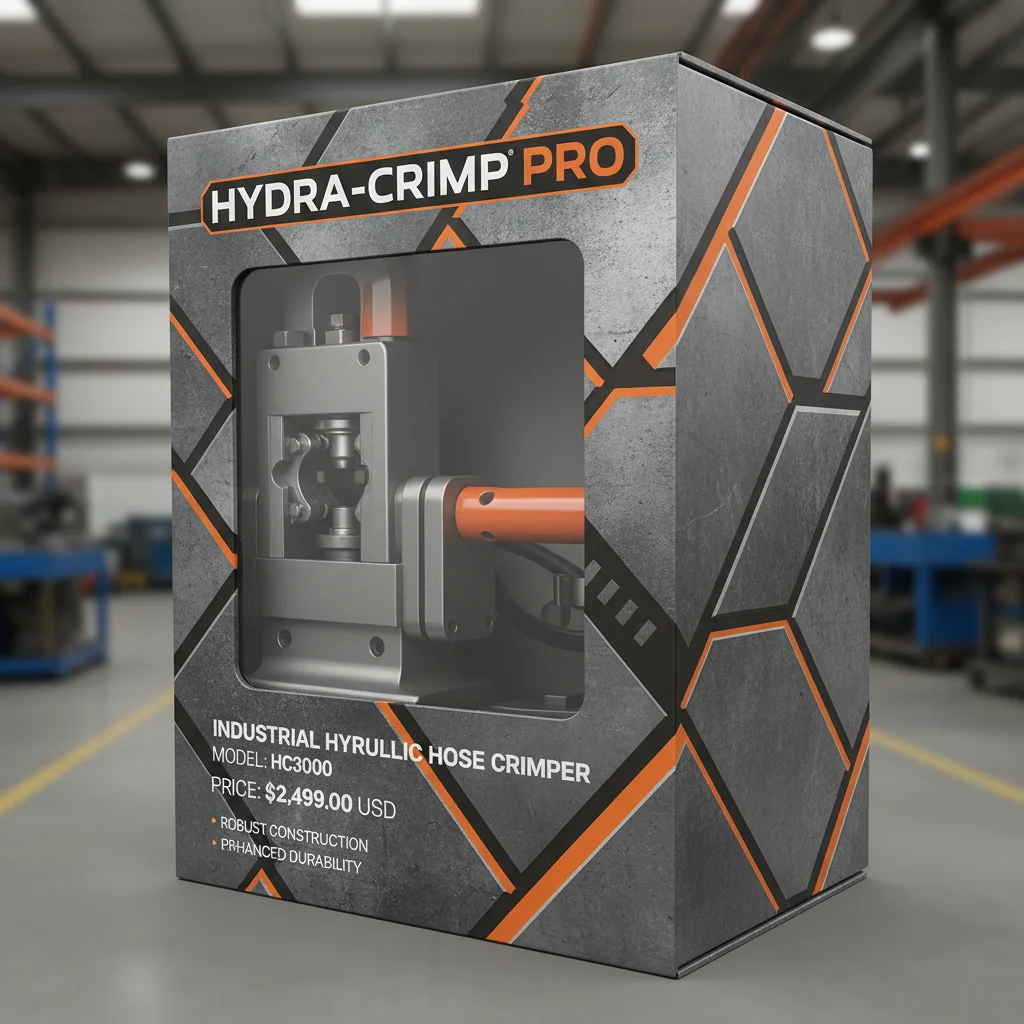
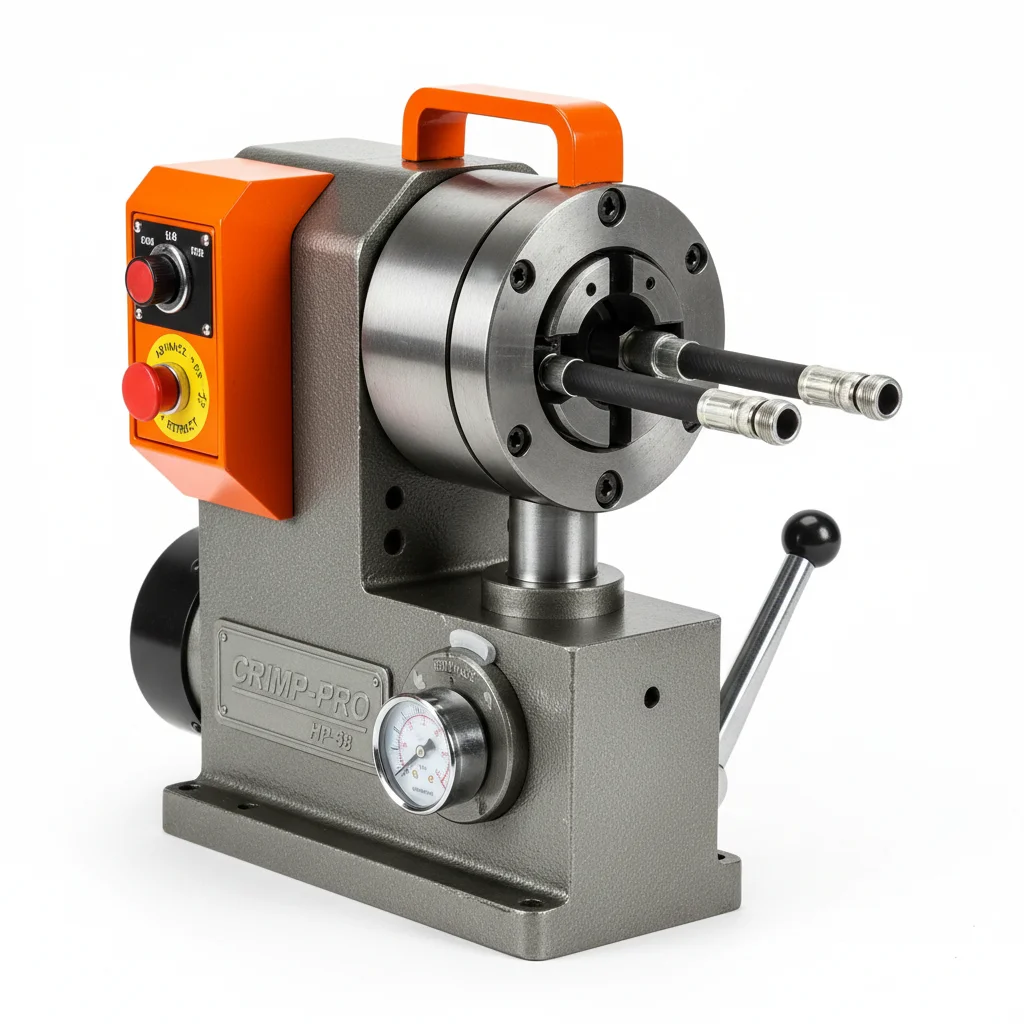
The global demand for robust and efficient hose connections drives a significant market for hose pipe crimping machines. Understanding the hose pipe crimping machine price is crucial for industries ranging from hydraulics and automotive to agriculture and construction. This knowledge empowers businesses to optimize their operational costs, ensure product reliability, and maintain a competitive edge in today's fast-paced market.
Fluctuations in raw material costs, advancements in crimping technology, and varying levels of automation significantly impact the hose pipe crimping machine price. Consequently, a detailed understanding of these factors is paramount for informed investment decisions. The ISO standards governing hose assembly quality further emphasize the necessity for reliable and accurately priced crimping equipment.
Essentially, the hose pipe crimping machine price represents more than just a financial outlay; it’s an investment in process integrity, product safety, and long-term operational efficiency. Ignoring these elements can lead to costly failures, safety hazards, and ultimately, diminished profitability.
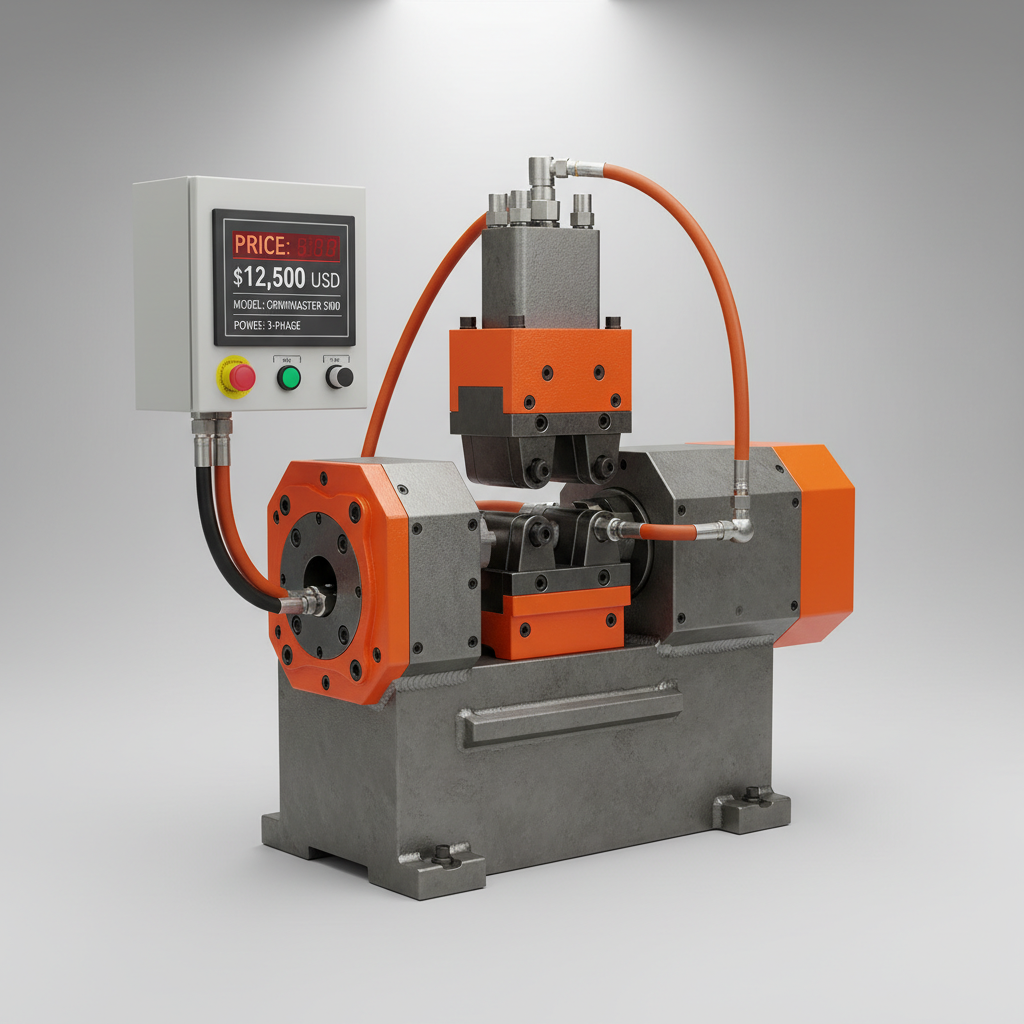
Understanding the Global Hose Pipe Crimping Machine Market
The global market for hose pipe crimping machines is experiencing steady growth, driven by increased industrialization and infrastructure development. According to recent reports, the hydraulic hose assembly market alone is projected to reach billions of dollars in the coming years, directly influencing demand for quality crimping equipment. The hose pipe crimping machine price is a key component in this growth, as businesses seek solutions to meet increasing production needs.
Geographically, Asia-Pacific represents the largest and fastest-growing market, owing to robust manufacturing sectors in countries like China, India, and Southeast Asian nations. North America and Europe also represent significant markets, particularly for high-precision and automated crimping solutions. Understanding these regional dynamics is crucial when evaluating the hose pipe crimping machine price.
Defining Hose Pipe Crimping Machine Price
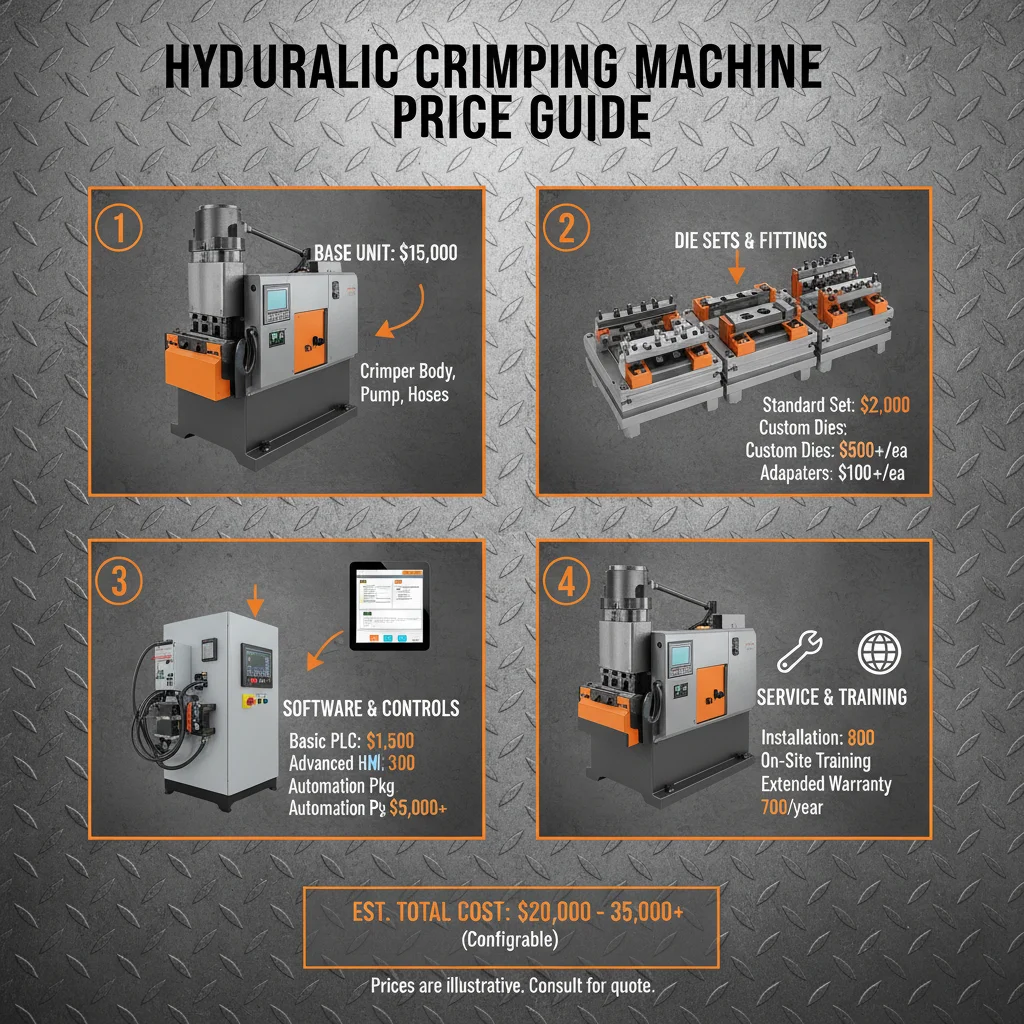
The hose pipe crimping machine price refers to the total cost associated with acquiring a machine designed to securely attach fittings to hoses using a crimping process. This price isn't simply the machine’s base cost, but encompasses several factors including the machine's capacity, automation level, build quality, and any included accessories or support services.
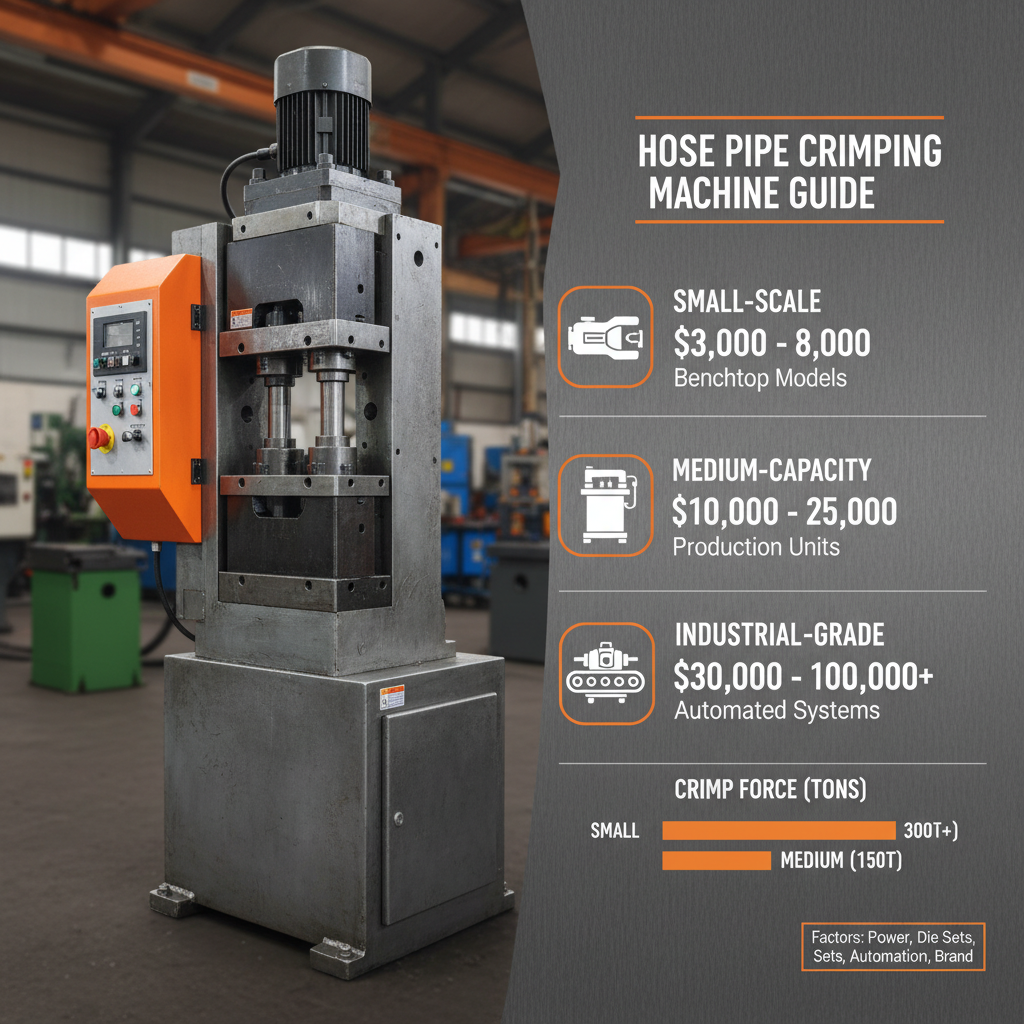
The price spectrum can range significantly – from manually operated, entry-level machines costing a few hundred dollars to fully automated, high-volume systems exceeding tens of thousands of dollars. Variations also arise based on the types of hoses and fittings the machine is designed to handle, as well as the manufacturer’s reputation and warranty offerings.
In modern industry, the hose pipe crimping machine price directly impacts the cost-effectiveness of hose assembly operations. Accurate and reliable crimping is paramount for ensuring the integrity of hydraulic systems, pneumatic lines, and other fluid transfer applications, influencing everything from operational safety to product lifespan.
Key Factors Influencing Hose Pipe Crimping Machine Price
Several critical factors determine the hose pipe crimping machine price. Machine capacity – measured by hose size and pressure rating – is a primary determinant. Larger capacity machines, capable of handling industrial-grade hoses, naturally command higher prices.
Automation is another significant cost driver. Manual machines are the most affordable, while semi-automatic and fully automatic systems, incorporating features like automatic die changes and process monitoring, contribute to increased investment costs. However, this investment is often offset by gains in efficiency and reduced labor requirements.
Build quality and brand reputation also play vital roles. Machines constructed with high-grade materials and backed by a reputable manufacturer typically carry a premium price tag, reflecting their durability and reliability. Finally, included accessories – such as dies, calibration tools, and software – add to the overall hose pipe crimping machine price.
Applications and Industries Utilizing Hose Pipe Crimping Machines
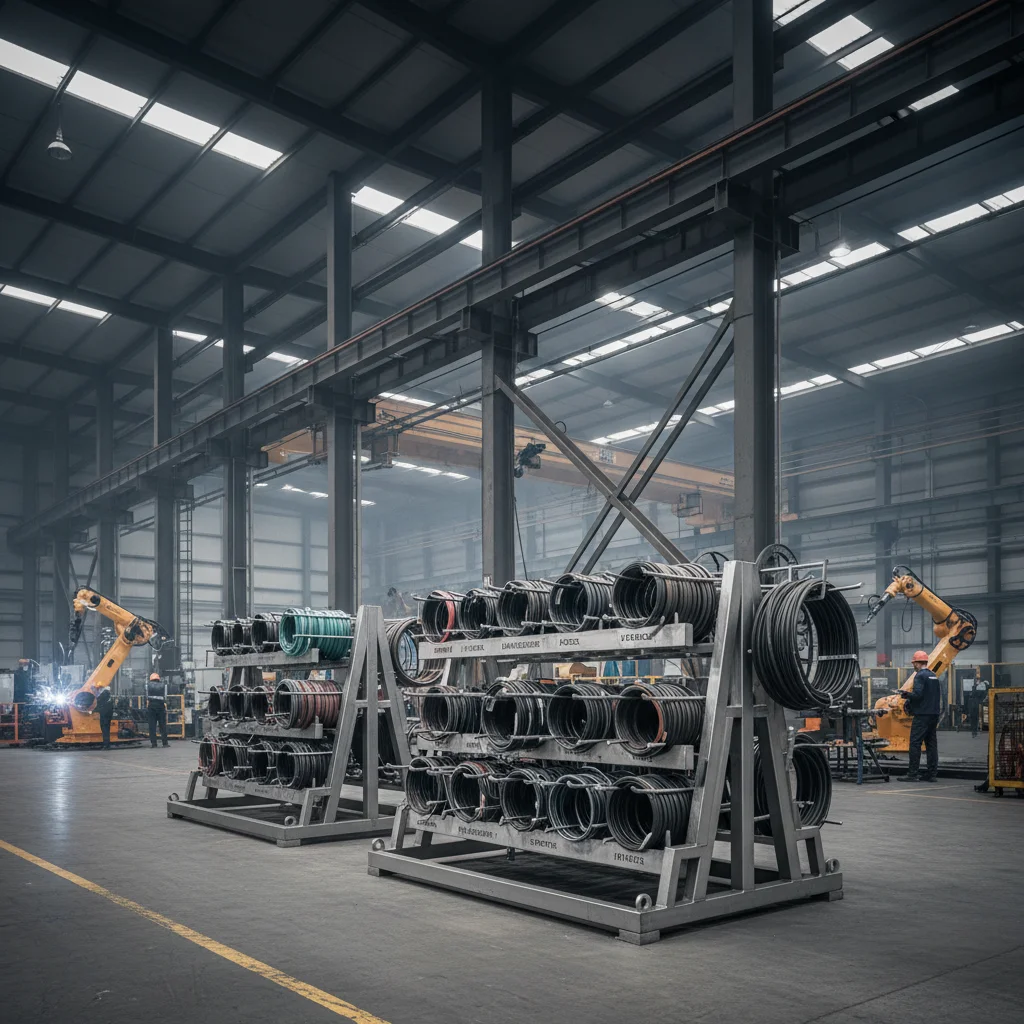
Hose pipe crimping machines are essential tools across a diverse range of industries. The automotive sector utilizes them extensively in the production of brake lines, power steering hoses, and air conditioning systems. The hydraulic industry relies on these machines for assembling hydraulic hoses used in construction equipment, agricultural machinery, and industrial applications.
Aerospace manufacturers employ crimping machines to produce high-precision hose assemblies for aircraft hydraulic systems. In agriculture, they are used to create hoses for irrigation, spraying, and harvesting equipment. Even in less obvious applications, such as marine engineering and oil & gas exploration, reliable hose crimping is vital for operational safety.
Comparison of Hose Pipe Crimping Machine Price by Application
Advantages and Long-Term Value Proposition
Investing in a quality hose pipe crimping machine offers significant advantages. Reduced labor costs through automation, improved assembly consistency, and enhanced product reliability all contribute to a strong return on investment. Furthermore, precise crimping minimizes the risk of hose failures, preventing costly downtime and ensuring operational safety.
The long-term value extends beyond immediate cost savings. A reliable crimping machine reduces waste, improves product quality, and enhances a company’s reputation for delivering durable and safe solutions. This increased customer trust translates into sustained business growth and a competitive advantage in the market.
Future Trends in Hose Pipe Crimping Technology
The future of hose pipe crimping technology is focused on increased automation, enhanced precision, and integration with Industry 4.0 principles. We can expect to see more machines equipped with sensors, data analytics, and remote monitoring capabilities, allowing for predictive maintenance and optimized performance.
Furthermore, advancements in material science are driving the development of new hose and fitting materials requiring specialized crimping processes. Machines capable of handling these materials will demand greater flexibility and adaptability, influencing the hose pipe crimping machine price in the coming years.
Challenges and Solutions in Hose Pipe Crimping
One of the key challenges in hose pipe crimping is ensuring consistent quality across diverse hose types and fitting materials. Variations in material properties and dimensional tolerances can lead to inconsistent crimp strength and potential failure points.
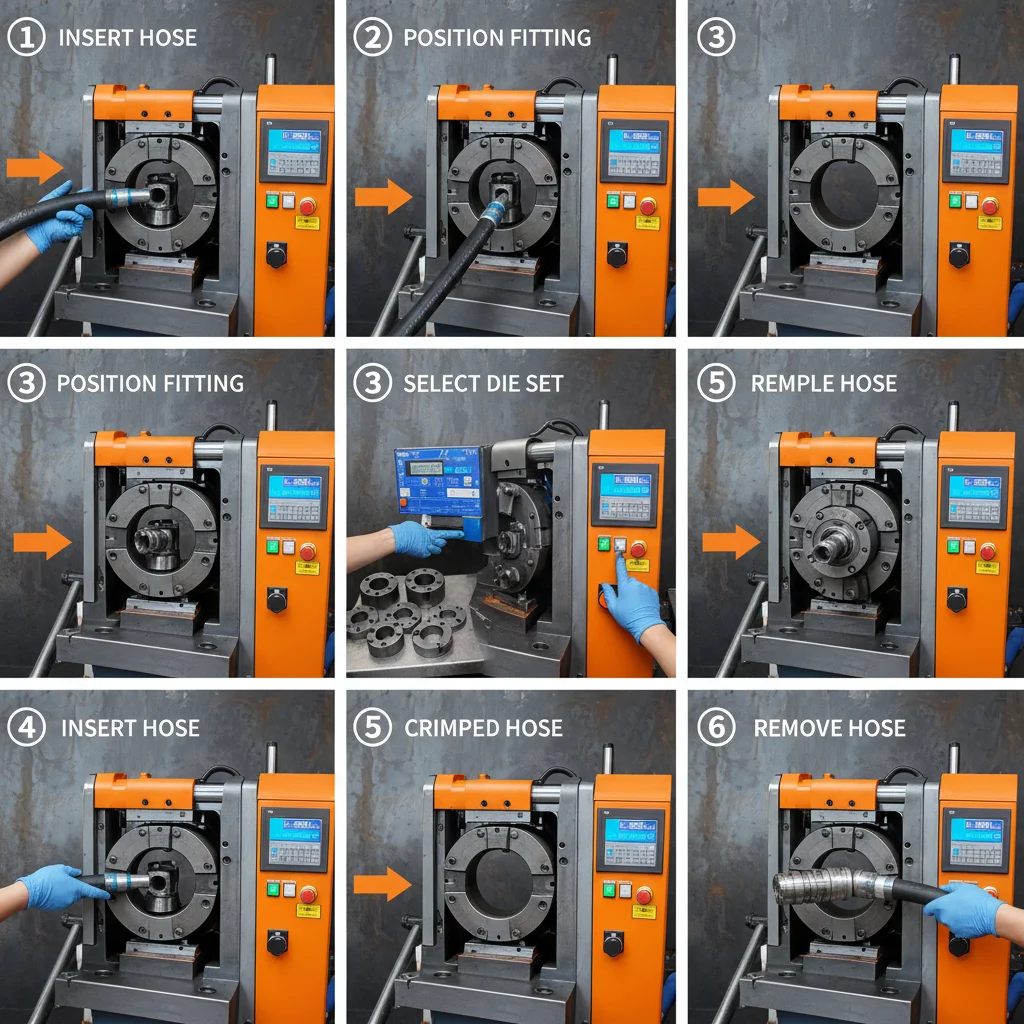
The solution lies in implementing robust quality control procedures, utilizing calibrated dies, and investing in machines with advanced monitoring and control systems. Regular maintenance and operator training are also crucial for maintaining optimal performance and preventing errors. Exploring smart crimping systems offering automatic die selection based on hose/fitting combinations is also a promising avenue.
Another challenge is maintaining compatibility between machines and evolving industry standards. Staying abreast of the latest ISO specifications and adapting crimping processes accordingly is vital for ensuring compliance and product safety.
Summary of Key Challenges and Solutions in Hose Pipe Crimping
| Challenge |
Impact on Hose Pipe Crimping Machine Price |
Proposed Solution |
Estimated Implementation Cost |
| Inconsistent Crimp Quality |
Increased Scrap Rate, Higher Quality Control Costs |
Automated Die Selection, Sensor Feedback |
$5,000 - $15,000 |
| Material Compatibility Issues |
Limited Hose/Fitting Range, Machine Downtime |
Multi-Die Systems, Programmable Crimping Profiles |
$2,000 - $8,000 |
| Lack of Industry Standard Compliance |
Product Recalls, Legal Liabilities |
Regular Calibration, Certification Programs |
$500 - $2,000 (Annual) |
| Operator Error |
Inconsistent Results, Machine Damage |
Comprehensive Training Programs, User-Friendly Interface |
$1,000 - $3,000 |
| Difficulty with New Materials |
Requires Machine Upgrades, Potential Incompatibility |
Modular Machine Design, Adaptable Crimping Dies |
$3,000 - $10,000 |
| Maintenance Costs |
Unscheduled Downtime, Repair Expenses |
Preventive Maintenance Schedules, Remote Diagnostics |
$500 - $1,500 (Annual) |
FAQS
Several key factors drive the hose pipe crimping machine price, including machine capacity (hose size and pressure), automation level (manual, semi-automatic, or fully automatic), build quality, brand reputation, and included accessories like dies and calibration tools. More robust, automated machines designed for industrial applications generally command higher prices.
Automation significantly increases the initial hose pipe crimping machine price. However, this investment often yields long-term cost savings through reduced labor requirements, improved consistency, and increased production throughput. The level of automation—ranging from simple semi-automatic features to fully robotic systems—directly correlates with the price point.
Typical maintenance costs vary depending on the machine's complexity and usage frequency. Expect to budget for regular lubrication, die replacement, calibration services, and potential repairs. Annual maintenance costs can range from $500 to $1,500, with more complex machines requiring a larger investment. Preventive maintenance schedules are crucial for minimizing downtime and extending the machine's lifespan.
Build quality is directly proportional to the machine’s longevity and overall cost-effectiveness. Machines constructed with high-grade materials and precision engineering are more durable, reliable, and require less frequent repairs. While initially more expensive, a higher-quality machine will likely provide a greater return on investment over its lifespan compared to a cheaper, less durable option.
Yes, the type of hose a machine can handle significantly impacts its hose pipe crimping machine price. Machines designed for high-pressure hydraulic hoses or specialized materials like PTFE require more robust construction and precise control systems, leading to a higher price tag. Conversely, machines designed for lower-pressure hoses or simpler materials will be more affordable.
A comprehensive warranty is crucial when purchasing a hose pipe crimping machine. Look for warranties that cover both parts and labor for at least one year, with extended warranty options available. A reputable manufacturer will also offer technical support and readily available replacement parts. A strong warranty demonstrates the manufacturer’s confidence in their product’s quality and reliability.
Conclusion
In conclusion, understanding the hose pipe crimping machine price is paramount for businesses relying on secure and reliable hose assemblies. Factors like capacity, automation, build quality, and intended application all contribute to the overall investment. By carefully considering these elements and prioritizing long-term value, organizations can select a machine that optimizes their operations and ensures product integrity.
Looking ahead, investing in advanced crimping technology – incorporating automation and data analytics – will become increasingly vital for maintaining a competitive edge. Prioritizing regular maintenance, operator training, and adherence to industry standards will further maximize the return on investment. For further information and to explore our range of hose pipe crimping machines, visit our website today.